The long version
What happens when the weight comes off fast.
Eight chapters, in the order the body runs them. Appetite moves first and maintenance is the one everybody skips.
Where a doctor decides a prescription is appropriate, it is one part of this journey. These are the other eight.

Appetite
First, the noise stops.
The earliest change most people describe is not on a scale. It is that food stops occupying the background of the day — the 4pm negotiation, the second helping, the thing that was never really hunger.
This is the part that gets sold, and it is genuinely the easiest part. Everything after this chapter is the consequence of it, and every one of those consequences needs somebody to have planned for it.
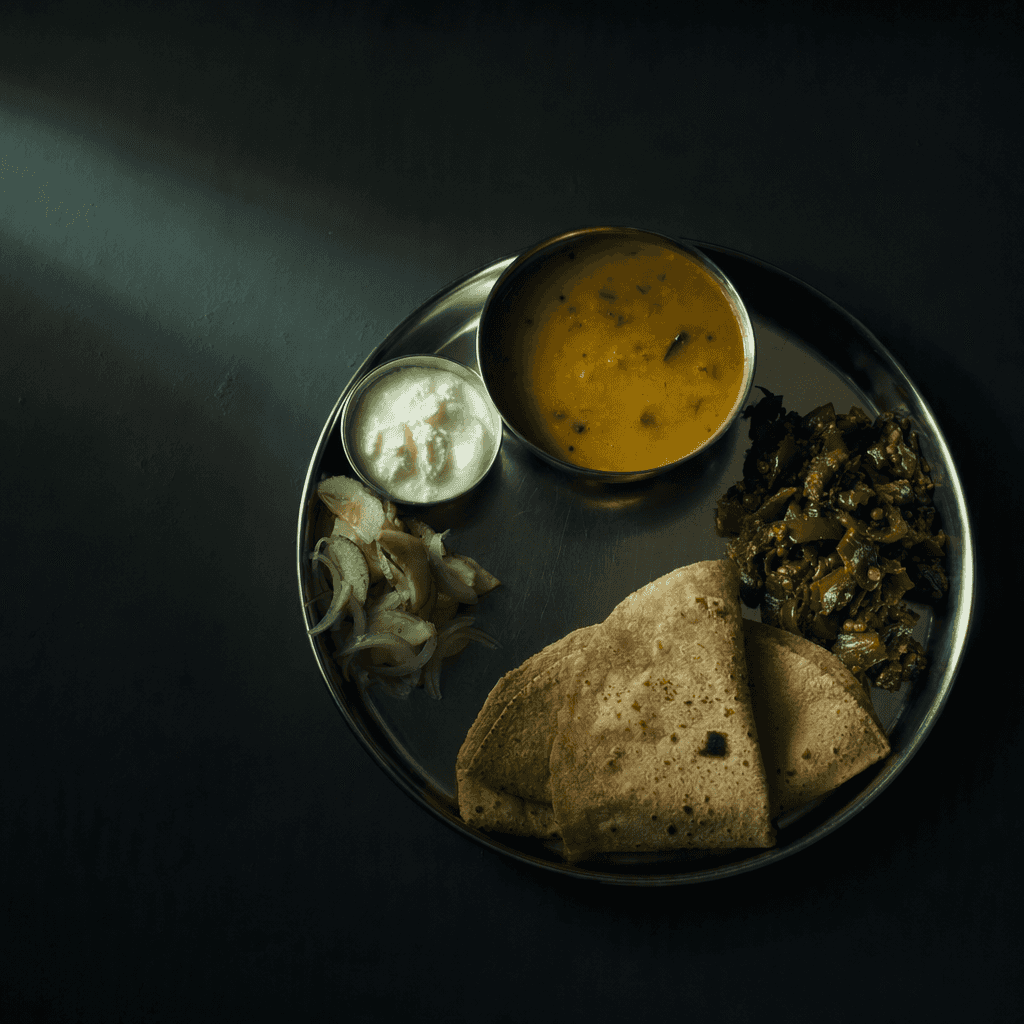
Food intake
Then everything falls at once.
When appetite drops, intake does not drop selectively. Portions shrink evenly across the plate, and the first things to disappear from an Indian meal are usually the dal, the curd and the sabzi rather than the rice.
Left alone, this becomes a smaller version of a diet that was already short on the things that mattered. The fix is not to eat more; it is to change what the remaining food is made of.
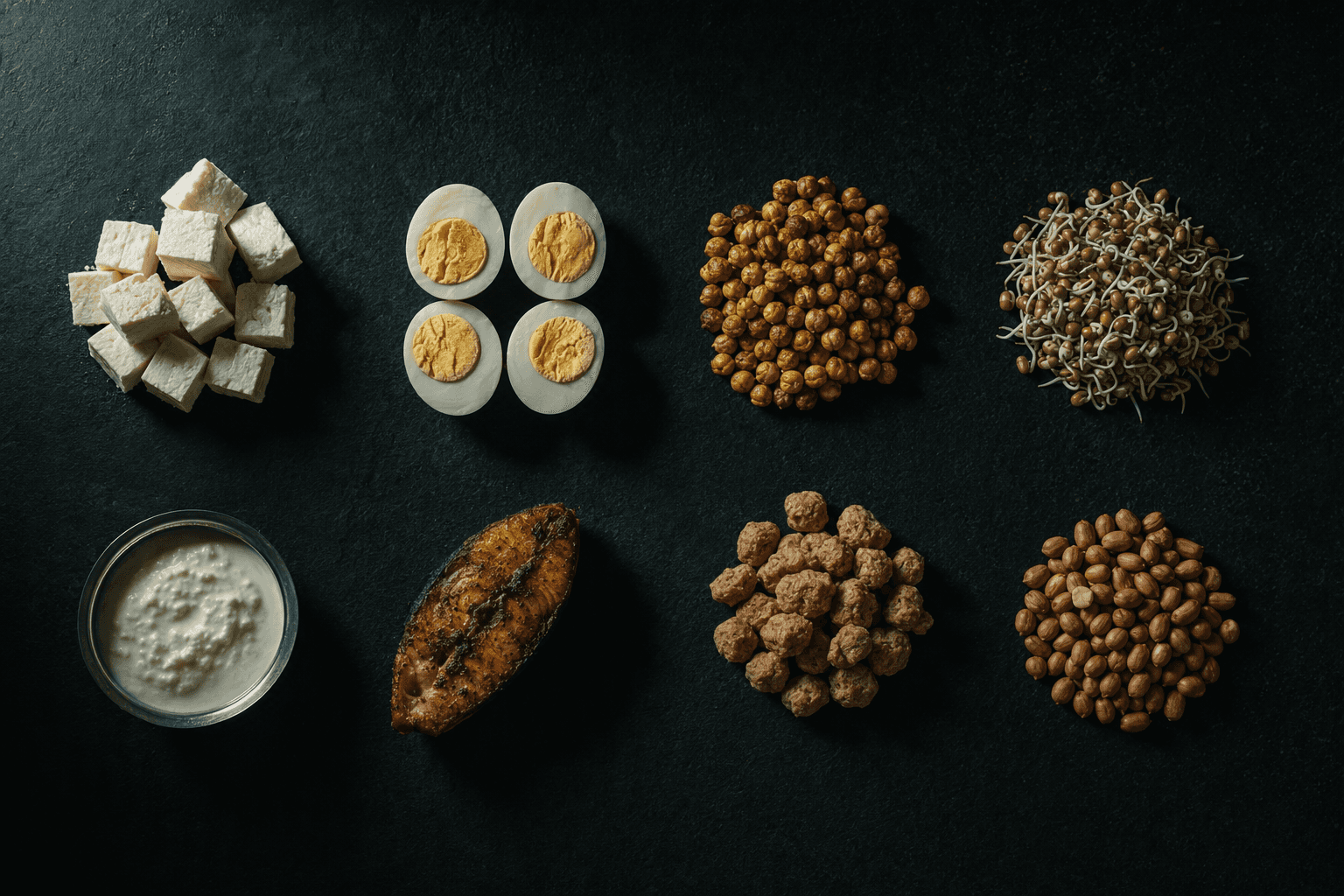
Protein
The one thing that cannot be skipped.
Protein is what tells the body to keep lean tissue while it is losing weight. It is also, in a vegetarian-leaning diet with a suppressed appetite, the single hardest thing to get enough of.
This is where a plan copied off the internet stops working. Getting adequate protein into a smaller Indian plate is an actual problem in food engineering, and it needs somebody who knows both the nutrition and the kitchen.

Muscle
What you keep decides what you look like.
Weight coming off is a mixture, and the proportions are not fixed. How much of it is lean tissue depends on protein, on whether the muscle is being asked to do anything, and on how fast the whole thing is happening.
Two people can arrive at exactly the same weight and be in completely different physical conditions. The difference is entirely in what they held on to on the way down, and it is decided in the first month.

Hydration
Less food is also less water.
A large share of daily water intake arrives inside food rather than in a glass — in dal, in curd, in fruit, in tea. Eating meaningfully less quietly removes a quantity of fluid nobody was counting.
The symptoms of that are easy to mistake for something else: headaches, a flat feeling in training, constipation, skin that looks tired. It is one of the most common early complaints and one of the most straightforward to fix.

Skin
Skin keeps its own schedule.
Elasticity recovers slowly and on terms that have to do with age, with how much change happened, with how fast it happened, and with protein and hydration underneath it all.
This is one of the strongest arguments for controlling the rate rather than maximising it. Speed is the variable people optimise and it is the one with the most consequences attached further down.

Fitness
The body gets capable before it looks different.
Carrying less weight makes movement cheaper almost immediately. A flight of stairs, a longer walk, a full day standing — these usually improve well before anything is obvious in a photograph.
That window is the best chance anybody gets to build the strength that makes the result durable. Spending it waiting for the mirror to agree is the most common way this goes wrong.

Maintenance
And then, one day, it stops.
Every programme ends. Appetite returns to something like its old volume, the structure that was holding the week together goes away, and the body responds to a change in conditions the way bodies do.
This is the chapter the category does not write, and it is the one that decides whether any of the previous seven mattered. It has to be designed while things are going well, which means it has to be designed now.
So: eight problems, and one of them has a prescription attached.
Every chapter above is a job that has to be done by somebody — a dietitian, a trainer, a doctor, a coach, or you. A programme that solves one of them and leaves the other seven to chance is not a programme, it is a supply chain.
Where a doctor decides a prescription is appropriate, it is one part of this journey. These are the other eight.