 metaboliq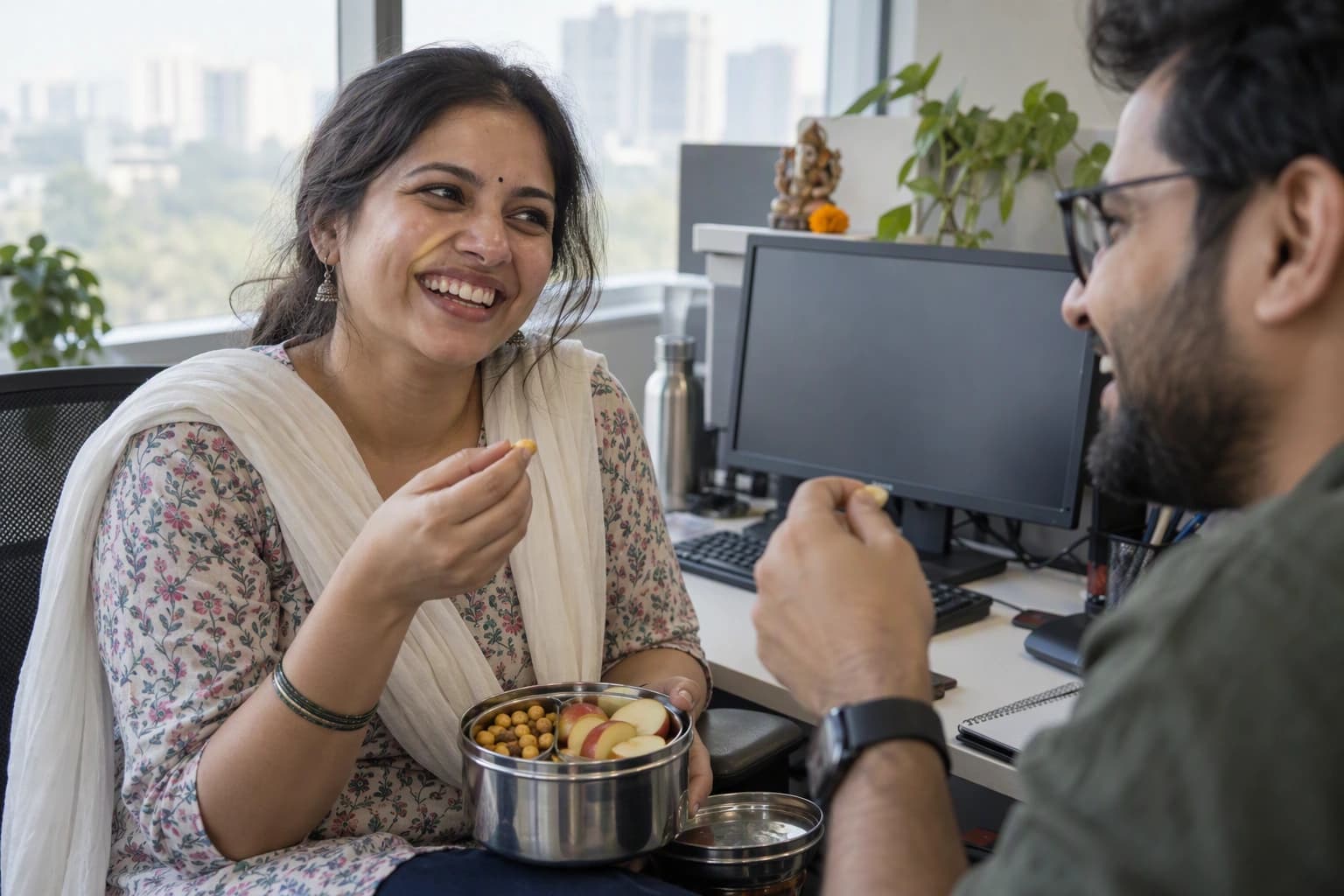
It turns up at about the same time most days. Around four in the afternoon your energy drops, and the box of soan papdi in the office pantry is suddenly all you can think about. For other people it comes after dinner, when the dal and roti are finished and something sweet feels like the only proper way to end the meal.
Most sugar cravings are learned and set off by cues such as the time of day, habit, stress and tiredness. They get stronger after a short night and after meals that are low in protein and heavy on refined carbs. There's no strong evidence that people get addicted to sugar. Protein at breakfast, more sleep and a small planned sweet help most people. Intense cravings that come with thirst or tiredness are worth a blood test.
Why do sugar cravings happen?
Hunger will settle for dal and rice. A craving won't. It wants one particular thing, usually sweet, usually now. Andrew Hill, a psychologist at the University of Leeds, reviewed the research on food cravings in 2007. He found them closely tied to cues: a time of day, a place, a mood, or just seeing and smelling the food.
So they're predictable. Twenty years of gulab jamun after Sunday lunch at your parents' place, and your brain starts asking for one at that point every Sunday whether you're still hungry or not. Hill describes cravings as learned expectations as much as physical need. That matters, because what's learned can be unlearned, slowly.
Sources: [1]
Is sugar addictive?
The word gets used a lot, but the evidence in people is thin. Westwater and colleagues reviewed it in 2016 in a paper called "Sugar addiction: the state of the science" and called the human case weak. Most of the dramatic results come from rats given sugar on and off in feast-and-famine cycles, nothing like a person having two biscuits with chai at the office.
It's more useful to treat cravings as a habit. Habits respond to cues, sleep, stress and how meals are put together, and you can change every one of those. Quitting sugar overnight, cigarette-style, usually isn't needed. Most people do better cutting the spoons in their tea one at a time and fixing what sets the craving off.
Sources: [2]
Why does the craving hit at 4pm or after dinner?
Partly because your body keeps a timetable. David Cummings and colleagues measured ghrelin, the hormone that rises before meals, and found it climbing ahead of people's usual meal times and falling after they ate. The body learns when food tends to arrive. If you've had chai and two Marie biscuits at four every day for years, four o'clock becomes one of those times.
Lunch plays a part too. A plate of white rice, a thin dal and aloo sabzi digests quickly, and plenty of people feel a slump a couple of hours later. The after-dinner sweet is mostly ritual. That's why willpower rarely shifts it and changing the ritual often does, whether that's a short walk after dinner, brushing your teeth early, or a cup of saunf tea.
Does poor sleep make sugar cravings worse?
Yes, and within a couple of nights. Karine Spiegel and colleagues cut the sleep of healthy young men short for two nights. Their appetite hormones swung towards hunger, and their appetite for sweet, starchy, calorie-dense food rose more than for anything else.
A brain imaging study led by Stephanie Greer at Berkeley found that after a night without sleep, the brain regions that weigh up food choices were less active and people wanted high-calorie food more. The third cup of sweet chai after a night up with a teething baby is the same thing, seen from the kitchen.
What does stress have to do with mithai?
More than most people realise. Elissa Epel and colleagues gave women a stressful task in the lab and measured their cortisol. The women whose cortisol rose most ate more afterwards, and they went for the sweet food. A deadline, a tense call with a relative, an hour stuck on the Outer Ring Road: any of these can work the same way.
If you notice the craving mainly on bad days, deal with the stress or the missing break first. A walk round the building helps. So does a call to a friend, or ten minutes away from the screen with a cup of chai, and any of them may do as much for you as the barfi would.
Sources: [6]
Can breakfast set up an afternoon craving?
Often it does. Meals with a high glycaemic index, the ones that raise blood sugar quickly, were followed by more eating later in the day in a Harvard feeding study led by David Ludwig. White bread with jam, a bowl of sugary cornflakes, or plain poha with a sweet chai all fit that description.
Ultra-processed food adds to it. Kevin Hall ran a two-week inpatient trial at the US National Institutes of Health. People ate more calories on ultra-processed food than on an unprocessed diet matched for sugar, fat and fibre, without anyone telling them to. Packaged namkeen, biscuits and sweetened drinks make it easy to eat far more than you meant to.
What actually helps with sugar cravings?
Start with protein at breakfast. Higher-protein meals keep people fuller and lead to less eating later, according to a review of the trials by Heather Leidy and colleagues. Besan chilla, paneer bhurji, eggs, a bowl of curd with fruit, or a moong dal dosa all count.
Then deal with the cue. If the four o'clock biscuit is the habit, swap the routine rather than just removing the biscuit: roasted chana, a fruit, or a walk to get chai without sugar. Cut the sugar in your tea gradually, about half a spoon at a time. Most people find their taste adjusts.
Check your drinks as well. A packaged juice, a sweet lassi or a cold coffee from the café downstairs can carry as much sugar as a dessert, and liquid sugar does very little to fill you up. Swapping one a day for chaas or plain water is an easy first step.
Plan the sweet instead of banning it. A small piece of mithai after Sunday lunch, eaten sitting down, usually works better than a strict ban that ends with half a box at midnight. And protect your sleep, because short nights make every other step harder.
Festival season needs its own plan. Between Diwali boxes, wedding dessert counters and the office mithai that appears after every promotion, the cue is everywhere for weeks. Decide in advance which sweets are worth it and eat them slowly after a proper meal. Sending the rest of the box home with guests goes better than trying to ignore a month of laddoos on the dining table.
Do cravings get worse when you are losing weight?
Often, yes. Priya Sumithran and colleagues followed people for a year after a strict weight loss diet and found that their appetite hormones stayed shifted towards eating more for the whole time. Cut out every sweet on top of that and the pull gets stronger.
That's part of why crash diets fail. The kind of weight you lose matters as well. Diets very low in protein take muscle along with fat, as Cava's review of the trials describes, and keeping protein up does two jobs at once, keeping you fuller and holding on to muscle. In practice that means dal, paneer, curd, eggs or chicken at each meal, not just at dinner.
A word on who's writing this, since it's our site. Metaboliq is a doctor-led weight programme. The aim we give members is "Lose up to 20% of your body weight — and keep your muscle". Results vary; your doctor decides what is right for you. Before anyone gets a food plan from us, a doctor reads a ₹1,699 blood test taken at home. Cravings that come from blood sugar, thyroid or PCOS need a different answer from "eat less sugar".
Is a deficiency or a blood sugar problem to blame?
Search for this and you'll be told it's magnesium, chromium or zinc. The evidence that a shortage of any of them causes ordinary sugar cravings is thin, so a strip of tablets from the chemist is unlikely to make the cravings stop.
Blood sugar is worth checking when cravings are intense, especially if they come with constant thirst, getting up at night to pass urine, tiredness, or cuts that take ages to heal. Those can be signs that sugar is running high. Irregular periods together with weight gain can point to PCOS. Either way, the useful next step is a blood test read by a doctor, and changing your snacks won't answer the question.