 metaboliq
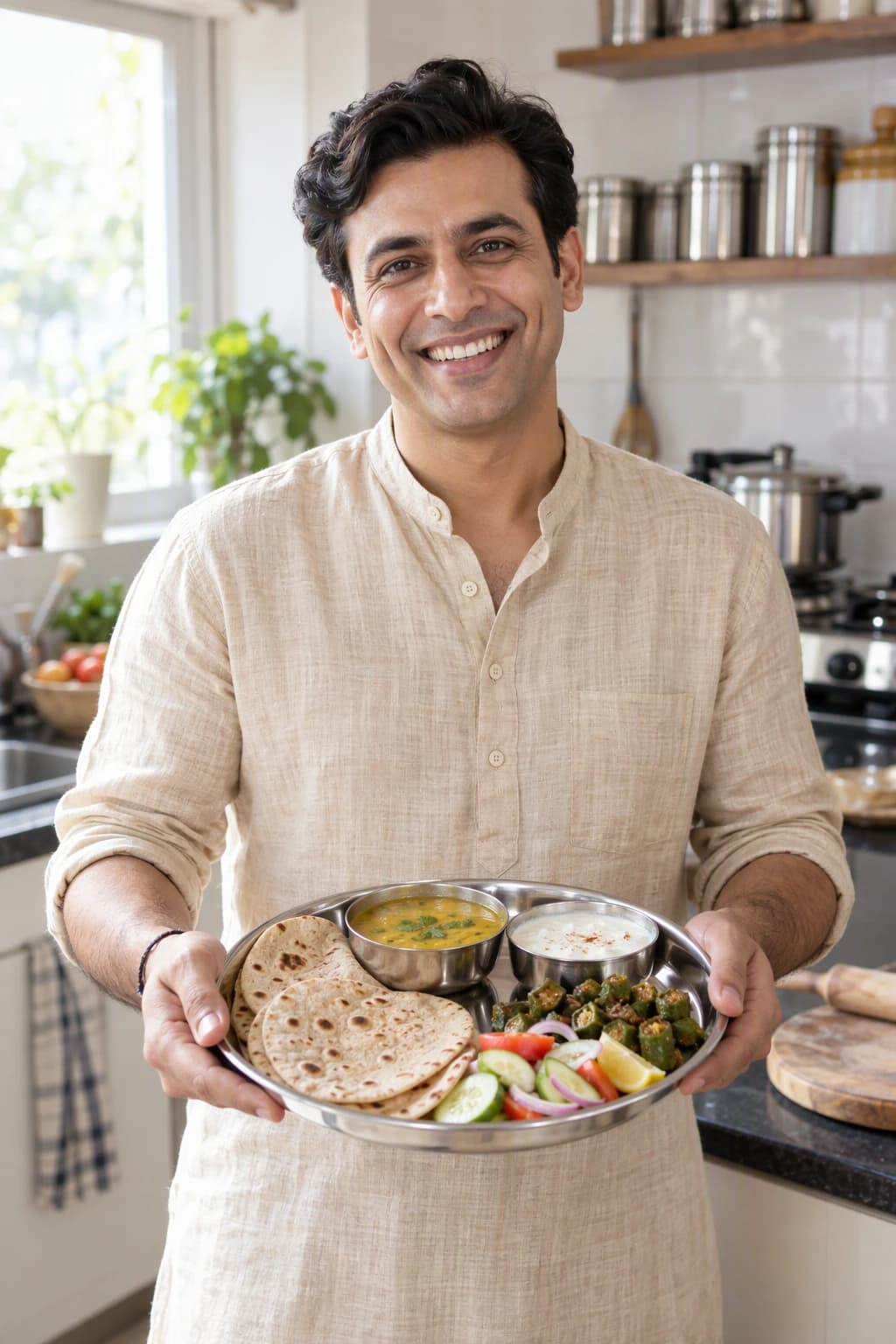
Good weight loss snacks are plain food in a small bowl: curd with roasted chana, sprouts chaat, a boiled egg, a few paneer cubes, or a guava with a handful of almonds. What they share is protein, fibre or water, which fill you up for their calories. That's the whole job of a snack on a diet: get you to dinner without the 5 pm hunger turning into a second meal. Biscuits and namkeen do the reverse. They're gone in a minute, and an hour later you want more.
Keep a snack to roughly 100–200 calories and build it around protein or fibre: curd, chana, sprouts, eggs, paneer, fruit or a few nuts. Only snack when you're truly hungry, and plan it, so the 5 pm chai doesn't come with a packet.
Do snacks help or hurt weight loss?
It depends on the snack, and on whether you were hungry in the first place. Valentine Njike's review at Yale found that snacks supply close to a third of daily calories in Western diets, much of it from dense, low-nutrient food. The same review found whole foods with protein, fibre or whole grain, like nuts and yogurt, kept people full for longer.
And the old line about six small meals keeping your metabolism going? Brad Schoenfeld's meta-analysis of 15 trials checked it. The small benefit of eating more often hung on one single study, and without it the effect vanished.
So snacking is optional. If you get from lunch to dinner without raiding the kitchen, don't add one. But if 5 pm hunger usually means four biscuits with chai and then a big dinner, a planned bowl of curd and chana is the cheaper deal. Decide what the snack is in the morning, not at 5 pm when you're starving. And a snack only helps if it replaces food, not if it's added on top of the same meals.
What makes a snack good for weight loss?
Before you eat something at 4 pm, ask whether it has protein, whether it has fibre or a lot of water, and whether you can see how much you're eating. A snack that ticks two of those is usually a good one.
Protein has the clearest evidence. In a small Missouri study, Heather Leidy's team gave women one of three 160-calorie afternoon snacks: high-protein yogurt, crackers or chocolate. After the yogurt they felt less hungry than after the chocolate, asked for dinner about half an hour later, and ate roughly 100 calories less of it.
Fibre and water work by bulk. Barbara Rolls at Penn State coached 97 women with obesity to cut fat for a year, and told half of them to eat more fruit and vegetables too. Nobody counted calories. The fruit-and-vegetable group lost 7.9 kg against 6.4 kg, ate a greater weight of food, and said they were less hungry. That's the case for a guava or a cucumber at 4 pm.
The portion test matters as much as the other two. A bowl you fill once has an end. A packet you eat from doesn't, which is why the same peanuts can be a good snack or a bad one.
Which Indian snacks are best for weight loss?
The Indian kitchen is better stocked for this than most. A katori here means a small bowl of about 150 ml, roughly what a cup of chai holds. Here's how the common choices sort out.
Protein first. A katori of curd or hung curd with cucumber. A boiled egg or two. Paneer cubes, 50–75 grams, with chaat masala. A besan or moong dal chilla, or a bowl of sprouts chaat with onion, tomato and lemon. Roasted chana sits here too: it's crunchy, slow to chew, and has both protein and fibre.
Fibre and water next: a guava, an apple, a pear, a bowl of papaya, cucumber and carrot sticks, or a glass of plain buttermilk. Fruit works best whole rather than as juice, because chewing and fibre both slow you down.
Rough protein numbers help when you're choosing. A boiled egg has about 6 grams. Thirty grams of roasted chana, a small fistful, has about 6 too. Fifty grams of paneer gives around 9, while a katori of ordinary curd gives only 3–4, so hung curd or curd with chana does better. Those grams add up across a day, and they decide how much of what you lose is fat rather than muscle. Metaboliq's doctors set a protein target first for that reason, after a home blood test, in plans that aim to lose up to 20% of body weight while keeping muscle.
Pulses deserve a special mention. John Sievenpiper's group pooled 21 trials of beans, lentils, chickpeas and peas. Adding about one serving a day led to a small weight loss over about six weeks, even in diets that weren't meant to cut calories. Chana, rajma and moong in a snack bowl count.
For the office bag: a small box of roasted chana, a fruit, a handful of peanuts counted out at home, or a flask of buttermilk. No dairy at home? Tofu cubes, roasted soya chunks or a besan chilla bring protein too; sprouts are lighter on it, so make that bowl a big one.
Makhana, roasted dry or in a teaspoon of ghee, is a good crunchy swap for chips, as long as the portion is a katori and not the bag.
Sources: [6]
Are nuts fattening as a snack?
Not in the trials. Gemma Flores-Mateo's meta-analysis of 33 controlled trials found that diets with added nuts didn't raise body weight, BMI or waist size compared with diets without them. Nuts are dense in calories, but they're filling, so they tend to replace other food rather than add to it.
There's Indian data too. Seema Gulati and Anoop Misra's team in Delhi gave adults with prediabetes 20 grams of almonds 30 minutes before each main meal. After three months, the almond group had lower weight, a smaller waist and better blood sugar than the control group, and their grip strength improved.
The catch is the portion. Twenty grams is about 15 almonds, or a small fistful of peanuts. Eaten from the packet in front of a cricket match, nuts can turn into a 500-calorie snack before the over ends. Count them into a small bowl, and put the jar back in the cupboard.
Which snacks quietly undo a diet?
Mostly the packaged ones. Kevin Hall's team at the US National Institutes of Health had 20 adults live in a research ward for four weeks. For two weeks they ate ultra-processed food, and for two weeks unprocessed food, each matched for calories, sugar, fat and fibre on the plate. They could eat as much as they liked.
On the ultra-processed diet they ate about 500 calories more a day and gained close to a kilo. On the unprocessed diet they lost about the same. Nobody told them to eat more; the food simply made it easy.
Translate that to an Indian evening and the usual suspects are clear: biscuits with chai, namkeen and bhujia, chips, packaged baked snacks sold as healthy, sweetened yogurt drinks and fruit juice. Home-fried samosas, pakoras and kachoris aren't ultra-processed, but they're dense with oil and easy to eat fast, so they land in a similar place.
You don't have to ban them. Make them the planned exception rather than the daily default, and eat them on a plate, sitting down, not straight from the packet.
Sources: [9]
How do snacks help you keep muscle while losing weight?
Most Indian days are light on protein at breakfast and in the evening. Tea and poha, then roti-sabzi, then rice and dal: there's not much there. Cut calories on top of that, and muscle has even less to work with.
Take Ritu, 39, an accountant in Indore, who has been eating less for three months. She's lighter, but her arms feel softer and the stairs feel harder. That can be a sign some of what she lost was muscle, and muscle is what keeps her resting burn up. Ritu is an illustration, not a patient.
Her fix isn't a special product. She swaps the 5 pm biscuits for curd with roasted chana and adds an egg or some paneer mid-morning. Her protein climbs without a bigger lunch, and two short strength sessions a week give it something to do. A wide review led by Heather Leidy and Peter Clifton backs the idea: more protein helps appetite and helps hold on to lean mass while losing weight.
Sources: [5]
A simple snack plan for a working day
Mid-morning, if breakfast was light: a boiled egg, a fruit, or a small katori of sprouts. Skip it if you're not actually hungry.
Around 4–5 pm, the hungriest stretch for most office workers: curd with roasted chana, a moong chilla, or paneer cubes with cucumber. Have chai with it if you like, but leave the biscuits out of the cup ritual.
After a workout: something with protein, like a glass of buttermilk with a handful of peanuts, or curd. There's no rush; dinner within an hour or two does the job too.
Late at night: if you really are hungry, a cup of warm milk or a small bowl of curd. If it's boredom rather than hunger, a glass of water and brushing your teeth often settle it.
Keep two or three of these ready at home and at work. Most bad snacking comes down to what's within reach when hunger hits, so make the good option the nearest one.