 metaboliq
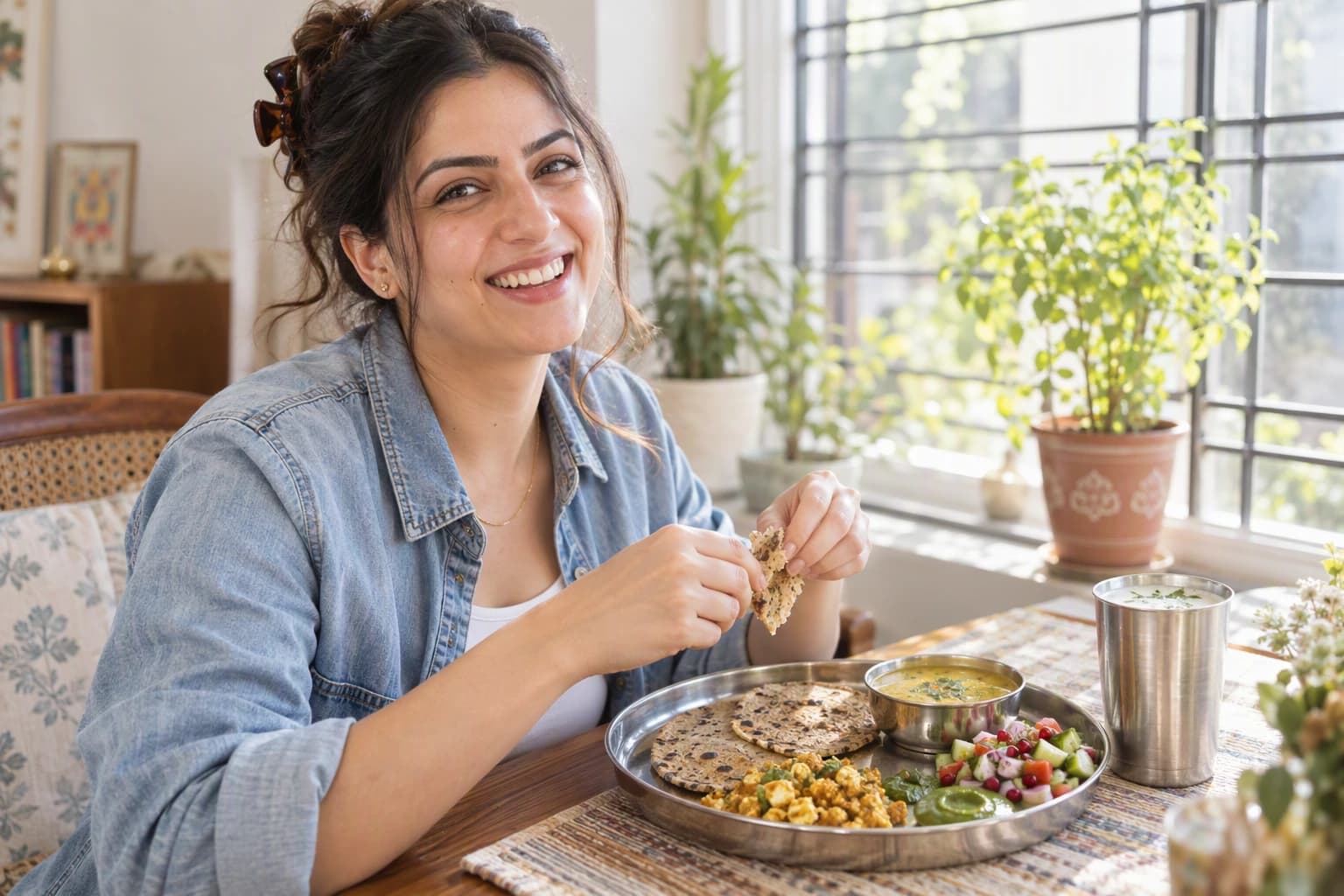
Look around an Indian kitchen and most of what is on the shelves is off a keto diet: the atta, the rice, the leftover dal, the bananas and the box of mithai. What stays is the paneer, the eggs, the curd, the palak and cauliflower, the nuts in the dabba and the ghee. A keto plan keeps carbohydrate under about 50 grams a day, often nearer 20, so that the body turns to fat for fuel.
Keto foods are low in carbohydrate and high in fat. Eat paneer, eggs, meat, fish, leafy and cabbage-family vegetables, nuts, seeds and cooking fats. Leave out grains, dal, potatoes, sugar and most fruit, which means vegetarians lean on paneer and tofu.
What can you eat on a keto diet?
A ketogenic diet keeps carbohydrate very low, allows generous fat and keeps protein moderate. The 2013 meta-analysis by Nassib Bueno used under 50 grams of carbohydrate a day as the definition, and many plans aim lower. With so little glucose coming in, the liver turns fat into ketones and the body runs on those.
That rules out the base of most Indian meals. A day of rice, roti, dal, milk, fruit and sugared chai carries several times what a keto plan allows. Some plans count net carbohydrate, which is the total minus fibre, so leafy vegetables and seeds barely count. Food labels in India usually print total carbohydrate, and fibre is listed separately when it appears at all.
O'Neill and Raggi, two cardiologists at the University of Alberta, summed up the trade-off in a 2020 review. Keto brings rapid early weight loss and can lower HbA1c in type 2 diabetes. It also tends to raise LDL cholesterol substantially, which is why the fat choices further down matter.
Which vegetables are on the keto food list?
Leafy greens and the cabbage family are the backbone. Palak, methi, sarson, bathua, lettuce, cauliflower, cabbage, broccoli and kale can be eaten in large portions. Lauki, tinda, turai, cucumber, zucchini, mushrooms, capsicum and brinjal also fit well, and tomato and onion are fine in the amounts used for a tadka or gravy base.
Some vegetables are best kept small. Carrots, beans, bhindi and pumpkin carry more carbohydrate than greens, so a few spoons in a sabzi is the usual limit. Potato, sweet potato, arbi, yam, green peas and sweet corn are left out entirely on strict keto.
Cauliflower does a lot of the work on an Indian keto plate. Grated and dry-roasted, it stands in for rice under a curry, and mashed with butter and jeera it replaces aloo. Cabbage cut fine and stir-fried makes a passable stand-in for noodles.
Sources: [2]
What are the keto diet foods for vegetarians?
Paneer is the main protein, followed by tofu, cheese and full-fat curd in modest bowls. Hung curd works for raita and dips. Most vegetarians on keto lean on paneer at two meals a day, as bhurji at breakfast, tikka at lunch, or in palak paneer at dinner.
Nuts and seeds fill the gaps. Almonds, walnuts, pecans, macadamias, flax, chia, pumpkin and sunflower seeds are low in carbohydrate. Cashews and pistachios carry noticeably more, so they stay as a small handful. Peanuts fit in moderate amounts, and fresh coconut and coconut milk are useful in South Indian cooking.
The hard part for vegetarians is that dal, rajma, chana and soya chunks carry too much carbohydrate in normal portions. Without them, protein for the day can fall short. A vegetarian keto plan therefore needs planning, and for many people a less strict low-carbohydrate plan that keeps one katori of dal a day is easier to live with.
Sources: [5]
Which non-vegetarian foods fit a keto diet?
Eggs, chicken, fish, prawns and mutton carry essentially no carbohydrate, so they fit easily. Tandoori chicken, fish tikka, egg curry with a tomato and onion base, and chicken cooked in coconut gravy are close to keto as they are.
The catches are in the cooking. Batter-fried fish and chicken 65 use besan or maida, and gravies thickened with cashew paste add more carbohydrate than you might expect. Restaurant sauces often contain sugar. Ask for grilled or tandoori dishes and a plain salad on the side.
Fatty fish such as mackerel, sardines and salmon bring omega-3 fats, which is useful on a diet that otherwise leans on butter and ghee. Two portions a week is a reasonable target where they are available and affordable.
Sources: [2]
Which fats and oils should you use on keto?
Fat supplies most of the energy on keto, so the type matters. Ghee, butter, cream and coconut oil are high in saturated fat. Mustard oil, groundnut oil, olive oil and the fat in nuts and seeds are mostly unsaturated. Cooking the everyday sabzi in mustard or groundnut oil, and keeping ghee for the dal-free tadka or a spoon on top, shifts the balance without changing the taste much.
The LDL rise is common. In a Swedish feeding trial led by Burén, healthy young women ate strict keto for four weeks and a standard diet for four weeks. LDL cholesterol rose on keto in every one of them. A lipid profile before starting, and again after six to eight weeks, shows what the diet is doing to yours.
What should you avoid on a keto diet?
The list of foods to avoid on keto is long in an Indian kitchen. Rice, roti, paratha, poha, upma, idli, dosa, millets, oats and bread all go. So do dal, chana and rajma in normal portions, and sugar, jaggery, honey and every mithai.
Milk is limited because of its lactose, so tea is made with a splash of milk or with cream. Most fruit is out, including banana, mango, chikoo and grapes. A few berries or a slice of guava are the usual exceptions.
Packaged snacks labelled keto deserve a careful read. Some are fine, and others use sugar alcohols or starch that keep carbohydrate higher than the front of the pack suggests. Check the total carbohydrate per serving rather than the claim.
Sources: [1]
What does a vegetarian keto day of Indian food look like?
Breakfast is paneer bhurji cooked in a teaspoon of ghee with onion, tomato and capsicum, and tea with cream instead of milk and no sugar. Mid-morning is a small handful of almonds and walnuts.
Lunch is a large bowl of palak or methi cooked with tofu or paneer, cauliflower rice with jeera, a cucumber and tomato salad with lemon, and a bowl of full-fat curd. The evening snack is a small bowl of roasted pumpkin and sunflower seeds with salt and pepper, or a few slices of cheese with cucumber.
Dinner is a lauki or tinda sabzi in mustard oil with a side of grilled paneer tikka, and a glass of buttermilk without sugar. Someone who eats eggs can swap the morning paneer for an egg bhurji, and fish or chicken can replace the dinner paneer on any day.
Sources: [5]
Does keto work better than other diets for weight loss?
Over a year, only a little. Bueno's meta-analysis found people on very low carbohydrate diets lost slightly under a kilogram more than those on low-fat diets, with a rise in LDL cholesterol alongside better triglycerides. Much of the extra early loss on keto is water released with stored glycogen.
Kevin Hall's team at the US National Institutes of Health fed adults both ways in a metabolic ward. They ate between 540 and 690 fewer calories a day on a low-fat, plant-based diet than on an animal-based keto diet, even though keto moved the scale more at first. Closer to home, the 2022 ICMR-INDIAB analysis of 18,090 adults recommended a moderate cut in carbohydrate with more protein, which is far easier to keep up than strict keto.
Muscle is the other question. Strict keto can leave protein short for vegetarians, and losing muscle along with fat makes weight easier to regain. We should say where we stand, since you are reading this on our site. Metaboliq is a doctor-led programme that starts with a home blood test and a doctor's review. It aims to help people lose up to 20% of body weight while keeping their muscle, usually with moderate carbohydrate and generous protein rather than keto.