 metaboliq
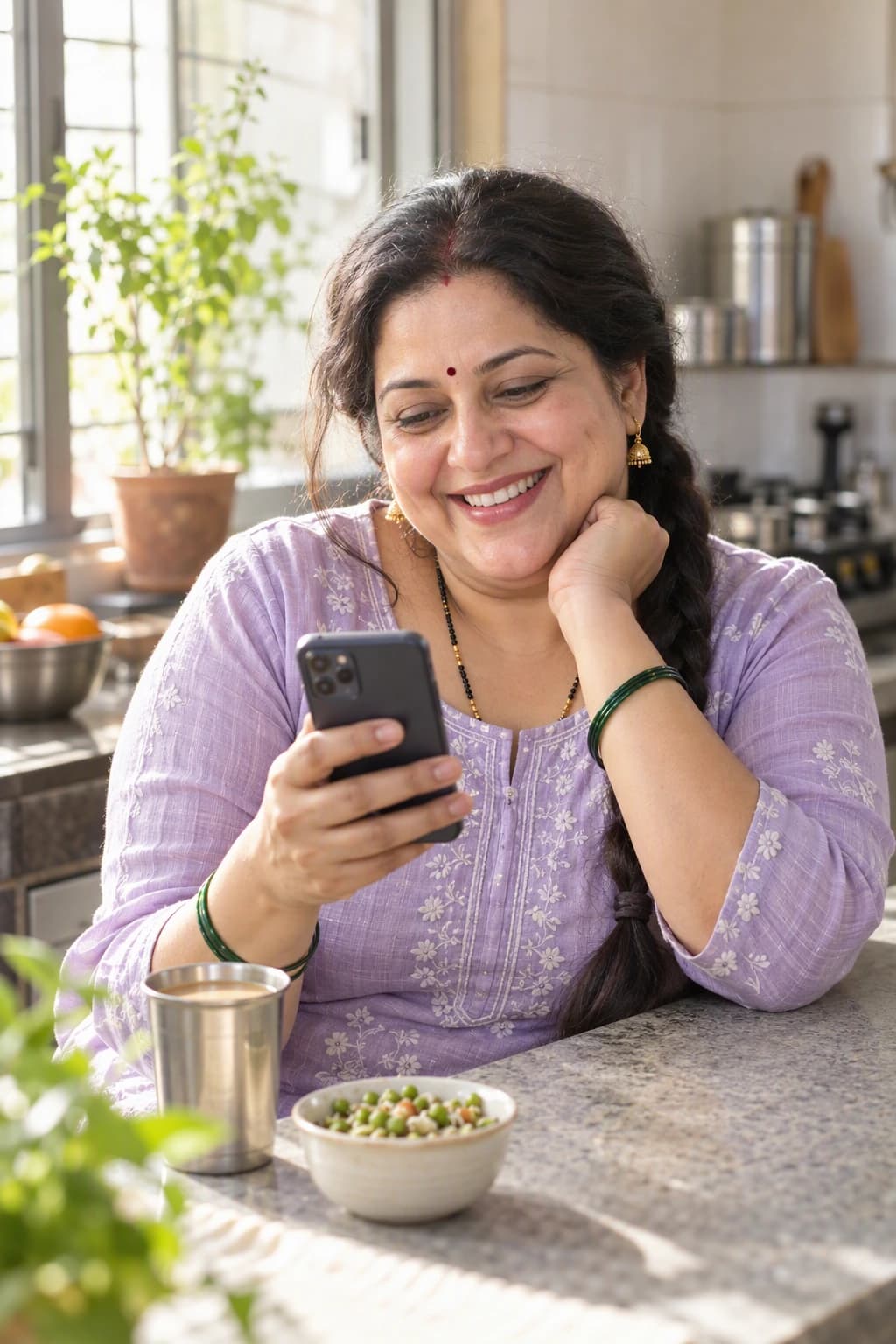
The foods that do most for blood sugar are ordinary ones: dal, chana and rajma, vegetables, curd, eggs or paneer, and whole grains or millets in place of white rice and maida. Eating the vegetables and protein before the rice or roti lowers the rise after a meal further. Methi seeds have the best trial record of the kitchen remedies. No juice controls sugar; whole fruit beats fruit juice, and bitter lauki juice can be dangerous.
Build each meal around pulses, vegetables and a protein food, and keep the grain to a quarter of the plate. Of the juices, karela has modest, weak evidence. Fruit juice is neutral at best and raises long-term diabetes risk. Over months, losing excess weight while keeping muscle does more for your readings than any single food or drink.
Which foods help control blood sugar the most?
Start with the foods that slow down how fast starch reaches the blood. Pulses top the list: moong, masoor, chana, rajma, lobia. They carry protein and fibre with their carbohydrate, so the same katori raises sugar far less than a katori of rice. Green vegetables, salad and sabzi fill the plate with very little starch. Curd, eggs, paneer, fish and chicken add protein, which blunts the rise after a meal.
What these foods share is fibre. Reynolds and colleagues pooled 185 cohort studies and 58 trials for the World Health Organization. People who ate the most fibre had 15–30% lower rates of type 2 diabetes, heart disease and early death than those who ate the least. The benefit was clearest at 25–29 g of fibre a day, which most Indian city diets fall well short of.
Indian data point the same way. The ICMR-INDIAB study, which tested diets and blood in more than 18,000 adults across the country, worked out what mix of food was linked with healthier HbA1c. For people with prediabetes, it suggested getting about half of the day's energy from carbohydrate and 18–20% from protein. In practice that means a smaller mound of rice and a bigger bowl of dal, curd or paneer.
Is there a fast sugar control food for after a meal?
The quickest lever is the order in which you eat what is already on your plate. Shukla's team at Weill Cornell gave 11 adults with type 2 diabetes the same meal on two days. When they ate the vegetables and chicken first and the bread last, blood sugar was 29% lower at 30 minutes and 37% lower at an hour.
At home that translates easily. Eat the salad and sabzi first, then the dal or paneer, and the roti or rice last. A thali eaten from the edges inwards does roughly this already. A ten-minute walk after lunch or dinner helps too, because working leg muscles pull sugar out of the blood.
Swapping the grain also counts. Anitha and colleagues pooled 65 studies of millets. On average, millet dishes had a glycaemic index of about 53, roughly a third lower than milled rice at 72 and refined wheat at 74. Jowar, bajra or ragi rotis are a fair trade for white rice, though portion size still matters.
One warning belongs here. Some diabetes treatment can make sugar drop too low. Then a fast-acting sugar such as fruit juice or glucose is the right fix, following the plan your doctor gives you. Juice works in that emergency precisely because it raises sugar so quickly.
Does methi (fenugreek) really lower blood sugar?
Of all the kitchen remedies, methi seeds have the most trials behind them. A meta-analysis led by Neelakantan in Singapore pooled ten trials. Fenugreek lowered fasting glucose by about 17 mg/dL and two-hour glucose by about 39 mg/dL, and HbA1c by 0.85 points in the three trials that measured it. The effect showed up mainly in people with diabetes taking larger amounts.
An Indian trial ran for three years. Gaddam and colleagues at Nizam's Institute in Hyderabad gave 66 adults with prediabetes 5 g of methi powder twice a day, before meals, for three years. Compared with the 74 in the control group, the methi group were about four times less likely to develop diabetes.
Most of the trials were small and of mixed quality, so treat methi as a useful habit rather than a treatment. The trials used seeds or powder, so eat the seeds: soaked overnight, sprouted, cooked into dal, or a teaspoon of powder before a meal. The soaking water alone has not been tested. Large amounts can upset the stomach. If you already take treatment for diabetes, tell your doctor before adding it daily, because the two can add up.
Which juice controls sugar?
No fruit juice lowers sugar, and karela, covered next, has only a small effect. Fruit juice keeps the sugar of the fruit and loses most of the fibre that slowed it down. A glass of orange or mosambi juice takes three or four fruits, drunk in a minute, and the blood sees all of it at once.
Murphy and colleagues pooled 18 randomised trials of 100% fruit juice and found no effect on fasting glucose, insulin or HbA1c, either way. Long cohort studies ask a different question, about new diabetes over years. In Imamura's meta-analysis of 17 cohorts, each daily serving of fruit juice was linked with about 7% more new type 2 diabetes, after allowing for body weight.
Whole fruit behaves differently. In Muraki's analysis of three large American cohorts, eating more apples, pears, grapes and berries was linked with less diabetes, while more fruit juice was linked with more. So eat the guava, apple or orange whole, one at a time, with or after a meal rather than on an empty stomach.
Is karela juice good for sugar, and is lauki juice safe?
Bitter gourd is the juice most people mean when they search for one that controls sugar. Peter and colleagues pooled ten trials covering 1,045 adults with type 2 diabetes. Karela preparations lowered fasting sugar by about 13 mg/dL and HbA1c by about a quarter of a point over 4–16 weeks. The authors rated the evidence low to very low quality, and most trials used capsules or extracts rather than home juice.
So a small glass of karela juice, or karela as a sabzi, is a reasonable addition but not a replacement for anything your doctor has advised. Karela can also add to the effect of diabetes treatment, which matters if your readings already run low.
Bottle gourd needs a sharper warning. In 2010 the Indian Council of Medical Research set up an expert committee after reports of poisoning from lauki juice. It recorded three deaths and 26 hospital admissions with vomiting of blood, ulcers and low blood pressure. The three who died were older adults with long-standing diabetes, drinking juice that tasted extremely bitter, sometimes mixed with karela juice. The bitterness comes from cucurbitacins, natural toxins with no antidote. Taste a small piece of every lauki before juicing it, and throw it away if it is bitter.
Can a homemade vegetable juice be part of sugar control?
A vegetable juice can fit in, provided it is mostly vegetable and blended rather than strained. A blender keeps the pulp and its fibre; a juicer that separates the liquid throws most of the fibre away. One version to try: half a cucumber, one tomato, a handful of palak, one amla, a few mint leaves and a small piece of ginger, blended with half a glass of water. That makes about 250 ml with only a few grams of carbohydrate, because these vegetables carry very little starch or sugar.
Leave out honey, jaggery and fruit, and keep beetroot and carrot to a small part of the mix because they are sweeter. A glass of chaas, plain water, nimbu pani without sugar, or unsweetened tea does the same job for thirst. The vegetables are still more filling eaten as salad or sabzi, and chewing them takes longer.
If you enjoy a morning glass, keep the size to about 150–200 ml and have it with breakfast, not in place of it. A home glucometer reading two hours after breakfast, on days with and without the juice, will show you more than any list online.
Why weight and muscle matter more than any single food
A katori of methi or a better grain choice will shift a single reading by a few points. Body fat sitting in and around the liver and pancreas sets where those readings start each morning. In the DiRECT trial, run through ordinary British GP surgeries, Lean and colleagues put adults with type 2 diabetes on a structured weight-loss plan. Almost half were in remission at a year, and among those who lost 15 kg or more, 86% were.
Muscle is the other half, and the one people forget. After a meal, most of the sugar that leaves the blood goes into muscle. Srikanthan and Karlamangla, working from American national survey data, found that each 10% rise in muscle relative to body weight came with 11% less insulin resistance and 12% lower odds of prediabetes. A crash diet that strips muscle along with fat can leave someone lighter but with a weaker sugar sink.
So the useful target has two parts: lose a meaningful share of body weight, up to 20% for many people with obesity, while holding on to muscle. In practice that means protein at every meal, dal and curd and eggs rather than only chapati, and two or three strength sessions a week. A doctor reading your HbA1c and fasting insulin can tell you how much of that is needed in your case.
How can you tell whether your food changes are working?
For that, use a home glucometer. A fasting reading and a reading two hours after your main meal, a few days a week, show quickly whether a change to the plate is helping. Write down what you ate alongside each reading. After a fortnight, patterns stand out, such as poha raising you more than besan chilla, or rice at dinner more than rice at lunch.
HbA1c gives the longer view. It reflects average sugar over roughly the last three months, so test it again after three months of steady changes rather than after a week. Fasting insulin or HOMA-IR adds a view of how hard the body is working to hold sugar down, which can show progress before sugar itself moves.
If readings stay high after a few months of careful eating, the body usually needs more help than diet alone can give. That is a conversation for a doctor, and it is a common one.