metaboliq

Obesity class 1, 2 and 3: the BMI chart
Each class covers five BMI points. Class 1 is 30 to 34.9, class 2 is 35 to 39.9 and class 3 is 40 or more.
Sources: [1]
Read the full section
That last band is what used to be called morbid obesity.
BMI is your weight in kilos divided by your height in metres, squared. The classes are the World Health Organization's, and they sit on top of its general rule that a BMI of 30 or more in an adult is obesity. By its count, 1 in 7 people in the world was living with obesity in 2024, about 1.1 billion.
The word morbid only meant that the weight was likely to cause disease. Patients found it insulting, and most guidelines have switched to severe obesity or class 3. You will still see morbid obesity on Indian insurance forms and discharge summaries, and on surgery estimates, because it is the term many hospitals have always used.
The table converts the bands into kilos for two common heights. At 5 feet 3 inches (160 cm), class 3 begins at about 102 kg. At 5 feet 7 inches (170 cm), it begins at about 116 kg. The calculator on our check page does the sum for any height, and it adds the waist, which tells you more than the class does.
| At 160 cm | At 170 cm | |
|---|---|---|
| Class 1 (BMI 30) | 77 kg | 87 kg |
| Class 2 (BMI 35) | 90 kg | 101 kg |
| Class 3 (BMI 40) | 102 kg | 116 kg |
- 1 in 7people worldwide with obesity, 2024
Why the obesity classes start lower for Indians
An Indian body tends to carry more fat and less muscle than a European one at the same BMI.
Read the full section
So India starts obesity at 25, and the WHO offers Asian action points at 27.5, 32.5 and 37.5.
When a WHO expert group reviewed the Asian studies in 2004, it found diabetes and heart disease rising in many Asian populations from a BMI somewhere between 22 and 25. It kept the international lines for comparison and proposed extra action points at 23, 27.5, 32.5 and 37.5 for countries that wanted them.
India's own consensus, written in 2009 by a group led by Dr Anoop Misra, set obesity at a BMI of 25 and added the waist: 90 cm or more for a man, 80 cm or more for a woman. The reasoning is often explained with the Y-Y paradox, a letter in The Lancet comparing two men with the same BMI, one Indian and one British. The Indian man carried far more fat.
So a reading that an American calculator calls class 1 can behave like class 2 in an Indian body, especially when most of the weight sits on the belly. The ICMR-INDIAB survey of 113,043 adults found obesity by BMI in 28.6% of Indian adults and obesity at the waist in 39.5%.
| WHO | Asian action point | |
|---|---|---|
| Overweight | 25 | 23 |
| Obesity | 30 | 27.5 |
| Higher risk | 35 | 32.5 |
| Highest risk | 40 | 37.5 |
- 39.5%Indian adults with belly obesity
What each obesity class does to health
Risk rises with each class.
Read the full section
In data on more than ten million adults, death rates were 1.45 times higher in class 1, 1.94 times in class 2 and 2.76 times in class 3, against a BMI of 20 to 25.
The Global BMI Mortality Collaboration pooled 239 studies from four continents for that figure, leaving out smokers and people who were already ill, so that weight lost through illness would not muddy the result. The pattern held in east Asia as much as in Europe and North America, and the excess risk was larger in younger adults and in men.
Some problems are much commoner at the top of the scale. Obesity hypoventilation syndrome, where the weight on the chest and belly stops the lungs clearing carbon dioxide properly at night, affects about 0.4% of adults, almost all with a BMI well above 30. It shows up as morning headaches, daytime sleepiness and swollen ankles, and treatment with a breathing machine at night helps.
Knee and hip pain, sleep apnoea, fatty liver, high blood pressure and type 2 diabetes all become more likely class by class. That is why a doctor seeing someone in class 3 will usually check sugar, liver enzymes, kidney function and oxygen levels before talking about a diet at all.

Beyond BMI: obesity staging and clinical obesity
Two people in the same obesity class can be in very different health.
Read the full section
That is why doctors increasingly stage obesity by what it is doing to the body, and in US survey data the stage predicted who died over the following years better than the BMI class did.
The Edmonton obesity staging system, from Raj Padwal and Arya Sharma's group in Canada, scores obesity from 0 to 4. Stage 0 means no health problem linked to the weight. Stage 1 means early signs, such as borderline sugar or occasional joint pain. Stage 2 means an established disease such as type 2 diabetes, high blood pressure or sleep apnoea, and stages 3 and 4 mean organ damage or serious disability. Applied to the US national survey, stage 2 carried a 57% higher risk of death and stage 3 more than double, after allowing for BMI.
A 2025 Lancet commission led by Francesco Rubino built on the same idea. It asks doctors to confirm excess fat with more than BMI, using the waist, a body-fat measurement or a scan, and then to tell apart preclinical obesity, where the organs still work normally, from clinical obesity, where the fat is already causing harm or limiting daily life.
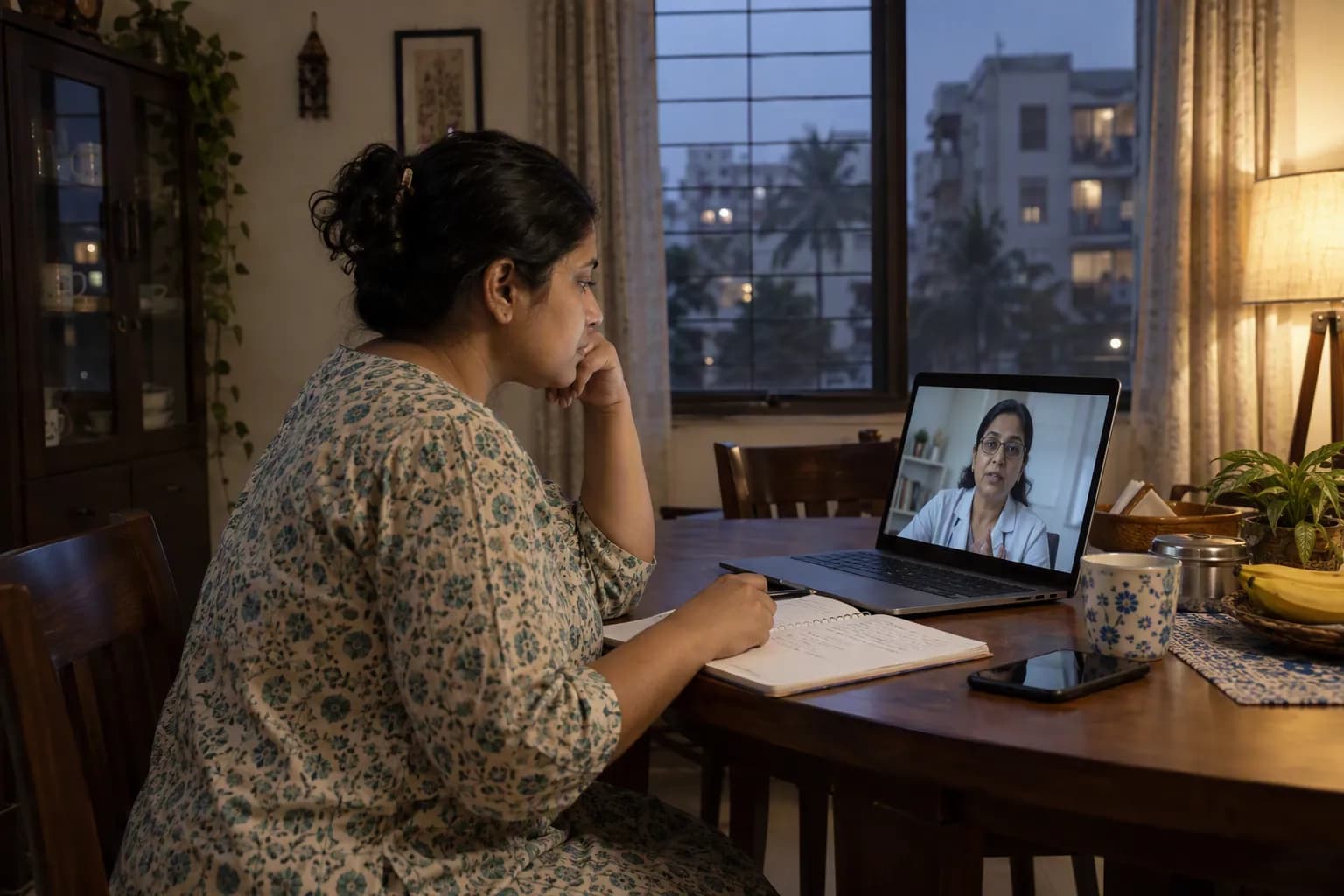
Rakesh, the textile trader we meet below, shows why this matters. At a BMI of 42 he is in class 3, but his doctor's first questions were about his snoring, his morning headaches and his HbA1c of 6.4. A 30-year-old at the same BMI with a clean report and good sleep sits at a lower stage and needs a different plan.
- Stage 0No harm yet
Normal tests.
- Stage 1Early signs
Borderline sugar.
- Stage 2Disease
Diabetes, BP, apnoea.
- Stage 3-4Damage
Organs, mobility.

A weight loss plan for morbid obesity, without surgery
The first target is 5 to 10% of your weight, not a goal weight.
Read the full section
People with a BMI over 40 lose the same share of their weight with lifestyle care as lighter people do, and their sugar and blood pressure improve just as much.
Donna Ryan's review of the weight-loss trials found that blood sugar, triglycerides, blood pressure and good cholesterol all improve with a 5 to 10% loss, and that the benefit holds at higher BMIs too. For someone at 120 kg, 6 to 12 kg is a realistic first stage and it changes the next blood report. Sleep apnoea and fatty liver with inflammation usually need 10 to 15%.
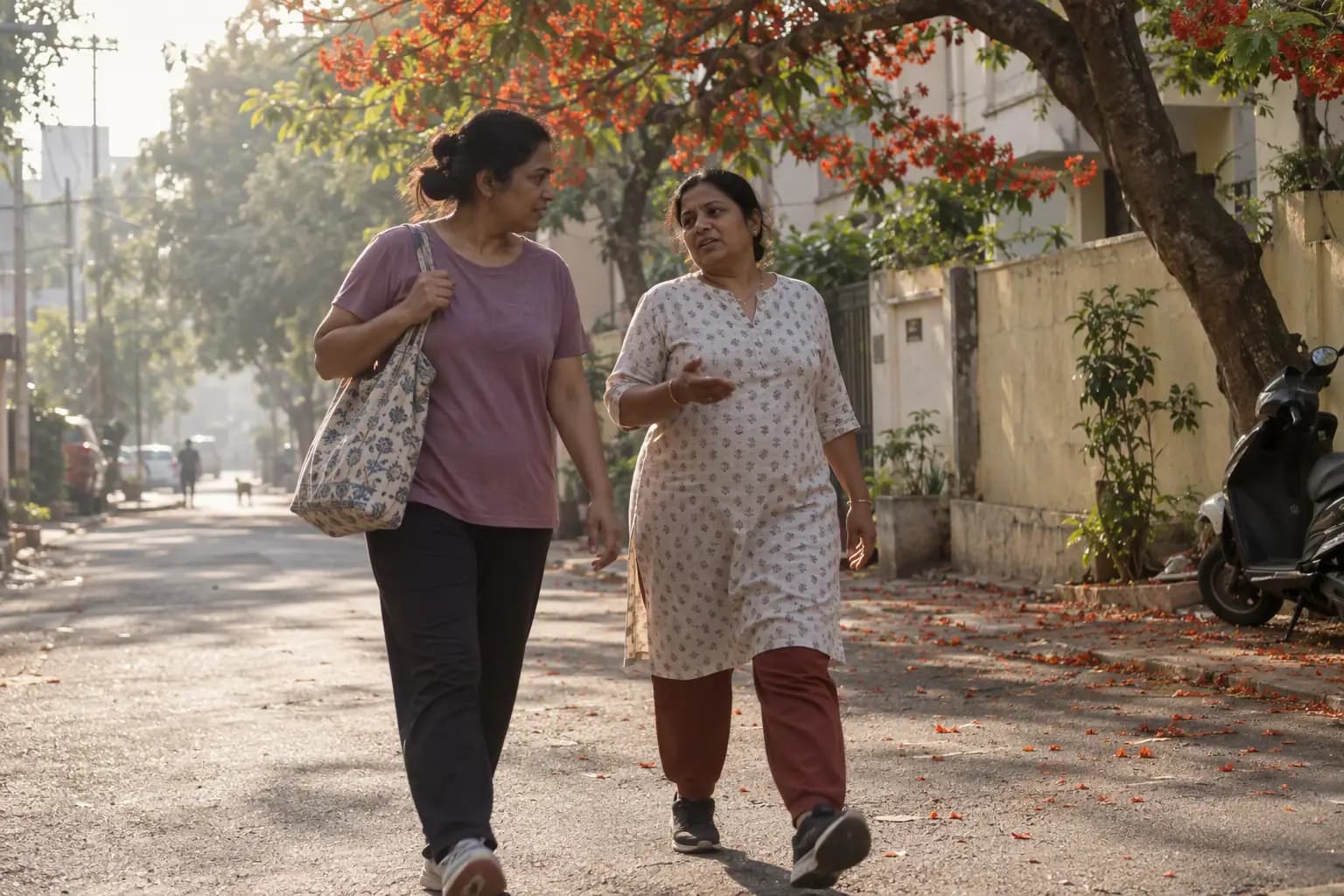
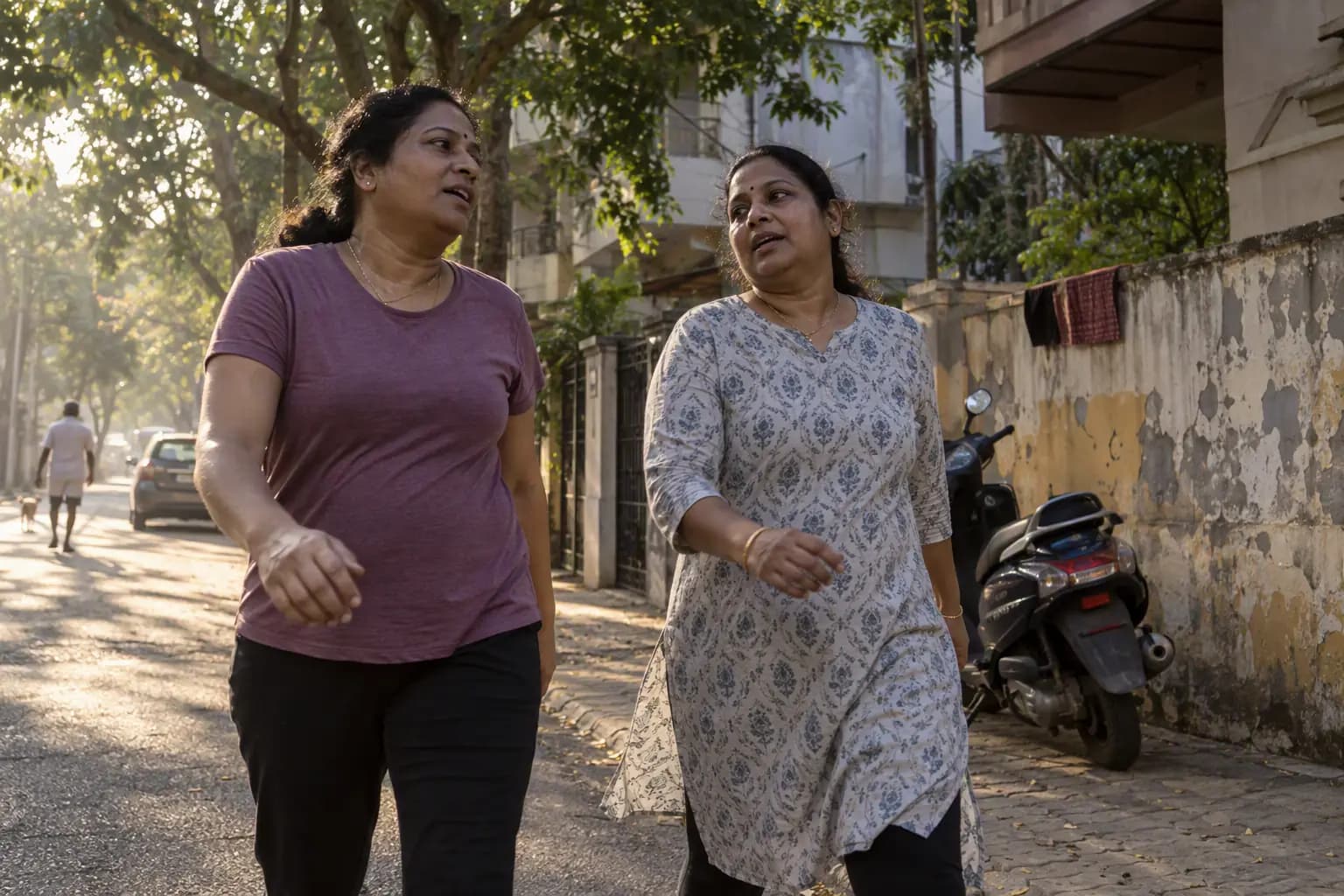
Take Rakesh, 46, a textile trader in Surat. He is a composite of the men who write to us, at 128 kg and 5 feet 9 inches, a BMI of about 42. His first months are about food he can keep eating: two rotis instead of four, a katori of dal and a bowl of curd at lunch, dinner by 8.30, no sweetened chai, and a protein he can see at every meal. He walks for ten minutes after each meal instead of trying an hour at once.
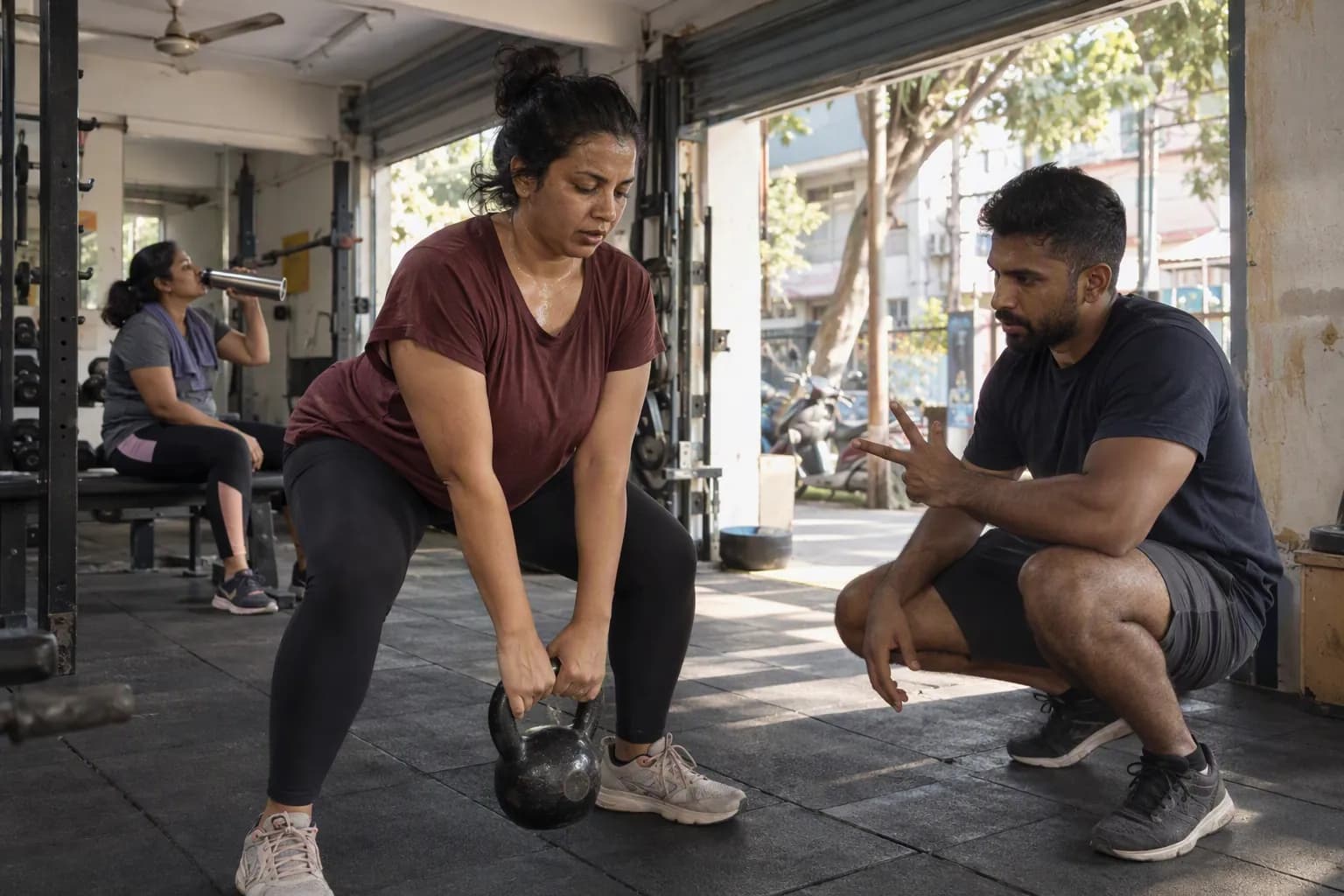
Exercise at this weight starts with protecting the joints. Walking on flat ground, a stationary cycle, swimming or water walking and chair-based strength work with a band are good places to begin. Strength work matters as much as walking, because a large loss on diet alone takes muscle with it, and too little muscle alongside too much fat, called sarcopenic obesity, leaves people weaker than either problem alone. At Metaboliq this is how plans at every class begin, with a home blood test read with you by a doctor, and the aim we set with members: "Lose up to 20% of your body weight — and keep your muscle". Results vary; your doctor decides what is right for you.
- Blood test and blood pressure
- Protein at every meal
- Ten-minute walks after meals
- Band work twice a week
- 5-10%first target, not a goal
When bariatric surgery or GLP-1 treatment comes in
For people in class 3, and for some in class 2 with diabetes or sleep apnoea, a doctor will usually talk about bariatric surgery or GLP-1 treatment as well as food and exercise.
Sources: [12]
Read the full section
Rakesh's doctor raised both at his second visit.
The longest record of what surgery does comes from the Swedish Obese Subjects study, which followed 4,047 people for about 11 years. Ten years on, people who had a gastric bypass were still 25% lighter, those with a gastroplasty 16% and those with a band 14%, while the matched group who had no surgery had changed by less than 2%. Deaths were 29% lower in the surgery group.
Surgery is a big step, with lifelong vitamin checks and real risks, and Rakesh was not ready for it. His doctor's view was that GLP-1 treatment might suit him, given his BMI, his sugar and his sleep, but only alongside the food and strength work that protect muscle, and only after a sleep study. The decision on either route rests with a doctor who has the reports in front of them.
What Rakesh took away was an order of steps: treat the snoring, bring the sugar down, keep the muscle, and review the weight every month. The class on his chart will change more slowly than the numbers on his blood report.
- 29%fewer deaths after surgery, SOS

Every source, in full (12)
[1] World Health Organization. Obesity and overweight (fact sheet)
World Health Organization, 2025. In 2024, 1 in 7 people in the world (1.1 billion) were living with obesity; adult obesity has more than doubled since 1990. For adults, overweight is a BMI of 25 or more and obesity a BMI of 30 or more.
Read the source[2] WHO Expert Consultation. Appropriate body-mass index for Asian populations and its implications for policy and intervention strategies
The Lancet, 2004. Many Asian populations carry a high risk of type 2 diabetes and heart disease below a BMI of 25, with observed risk starting between 22 and 25; it kept the international cut-offs and proposed action points at 23, 27.5, 32.5 and 37.5.
Read the source[3] Misra A, et al. Consensus statement for diagnosis of obesity, abdominal obesity and the metabolic syndrome for Asian Indians and recommendations for physical activity, medical and surgical management
Journal of the Association of Physicians of India, 2009. Set the Indian adult bands: BMI 18.0-22.9 normal, 23.0-24.9 overweight and 25 or more obesity, with abdominal obesity at a waist of 90 cm or more in men and 80 cm or more in women.
Read the source[4] Yajnik CS, Yudkin JS. The Y-Y paradox
The Lancet, 2004. Two men with the same body-mass index, one Indian and one British, had very different body fat: the Indian man carried far more fat and less lean tissue.
Read the source[5] Anjana RM, et al. Metabolic non-communicable disease health report of India: the ICMR-INDIAB national cross-sectional study (ICMR-INDIAB-17)
The Lancet Diabetes & Endocrinology, 2023. Across 113,043 adults in 31 states and union territories, generalised obesity was 28.6%, abdominal obesity 39.5%, hypertension 35.5%, diabetes 11.4%, prediabetes 15.3% and dyslipidaemia 81.2% of those tested.
Read the source[6] Global BMI Mortality Collaboration. Body-mass index and all-cause mortality: individual-participant-data meta-analysis of 239 prospective studies in four continents
The Lancet, 2016. Death rates were lowest at a BMI of 20 to 25; against that, the hazard ratio was 1.45 for obesity grade 1 (BMI 30-35), 1.94 for grade 2 (35-40) and 2.76 for grade 3 (40-60), similar in east Asia, Europe and North America, and steeper in younger adults and men.
Read the source[7] Masa JF, et al. Obesity hypoventilation syndrome
European Respiratory Review, 2019. Obesity hypoventilation syndrome combines a BMI of 30 or more, raised daytime carbon dioxide and sleep-disordered breathing; it affects about 0.4% of adults, and CPAP or non-invasive ventilation at night improves symptoms.
Read the source[8] Padwal RS, et al. Using the Edmonton obesity staging system to predict mortality in a population-representative cohort of people with overweight and obesity
Canadian Medical Association Journal, 2011. The Edmonton system scores obesity 0 to 4 by the health problems and limits it is causing; in US national survey data, stages 2 and 3 predicted higher mortality even after adjusting for BMI, while BMI class alone did not separate survival curves.
Read the source[9] Rubino F, et al. Definition and diagnostic criteria of clinical obesity
The Lancet Diabetes & Endocrinology, 2025. Proposes that excess body fat be confirmed by more than BMI, and separates preclinical obesity (excess fat, organs working normally) from clinical obesity (excess fat already causing organ dysfunction or limiting daily activity), a chronic illness in its own right.
Read the source[10] Ryan DH, Yockey SR. Weight loss and improvement in comorbidity: differences at 5%, 10%, 15%, and over
Current Obesity Reports, 2017. Blood sugar and triglycerides improve with small amounts of weight loss; obstructive sleep apnoea and fatty liver with inflammation usually need 10 to 15%; more weight loss brings more improvement; people with a BMI over 40 lose the same share of weight with lifestyle care as people at lower BMIs, with equal benefit from modest loss.
Read the source[11] Donini LM, et al. Definition and diagnostic criteria for sarcopenic obesity: ESPEN and EASO consensus statement
Obesity Facts, 2022. Defines sarcopenic obesity as excess body fat together with low muscle mass or function, a condition that worsens patient outcomes.
Read the source[12] Sjöström L, et al. Effects of bariatric surgery on mortality in Swedish obese subjects
New England Journal of Medicine, 2007. In 4,047 people with obesity followed for about 11 years, weight loss after 10 years was 25% with gastric bypass, 16% with gastroplasty and 14% with banding, while controls stayed within 2%; deaths were lower after surgery (adjusted hazard ratio 0.71).
Read the source