 metaboliq
Weight loss after pregnancy, at a pace your body is ready for
After a baby
Lose up to 20% of your body weight — and keep your muscle.
60,000+ trained and transformed by our team in the last 4 years
Results vary; your doctor decides what is right for you. Takes 2 minutes to book. A doctor makes every decision with you.

Why the year after a baby is different
After a baby, the body is still recovering while you try to lose weight

Pregnancy changes the blood, the hormones and the muscles of the core. After birth, sleep is broken and meals are eaten standing up. The weight comes off best when the plan starts from where your body actually is, not from a pre-pregnancy chart.
Read more
Some of the weight goes in the first weeks, as fluid and the baby's weight leave. What remains takes longer, and for many women some of it stays: weight kept a year after delivery is linked in long-term studies to higher weight years later. That makes the first year worth planning, without rushing it.
Three things in the blood change most after birth. Anaemia is common, because pregnancy and delivery use up iron, and it leaves you tired and breathless on the stairs. The thyroid can become inflamed in the months after delivery, sometimes overactive first and underactive later. And if you had diabetes in pregnancy, your risk of type 2 diabetes later is many times higher, so the American Diabetes Association asks for a sugar test four to twelve weeks after birth.
The body itself needs time. After a vaginal birth most women can start gentle walking soon; after a C-section, the wound and the muscles beneath it need several weeks to heal, and your obstetrician should clear you before harder exercise. A gap between the stomach muscles is common and changes which core exercises are safe.
Breastfeeding uses extra energy, which can help weight come off, but it also raises hunger and needs enough protein, iron, calcium and fluid. A crash diet risks your energy and your milk. The plan aims for a steady loss that you can keep up on four hours of sleep.
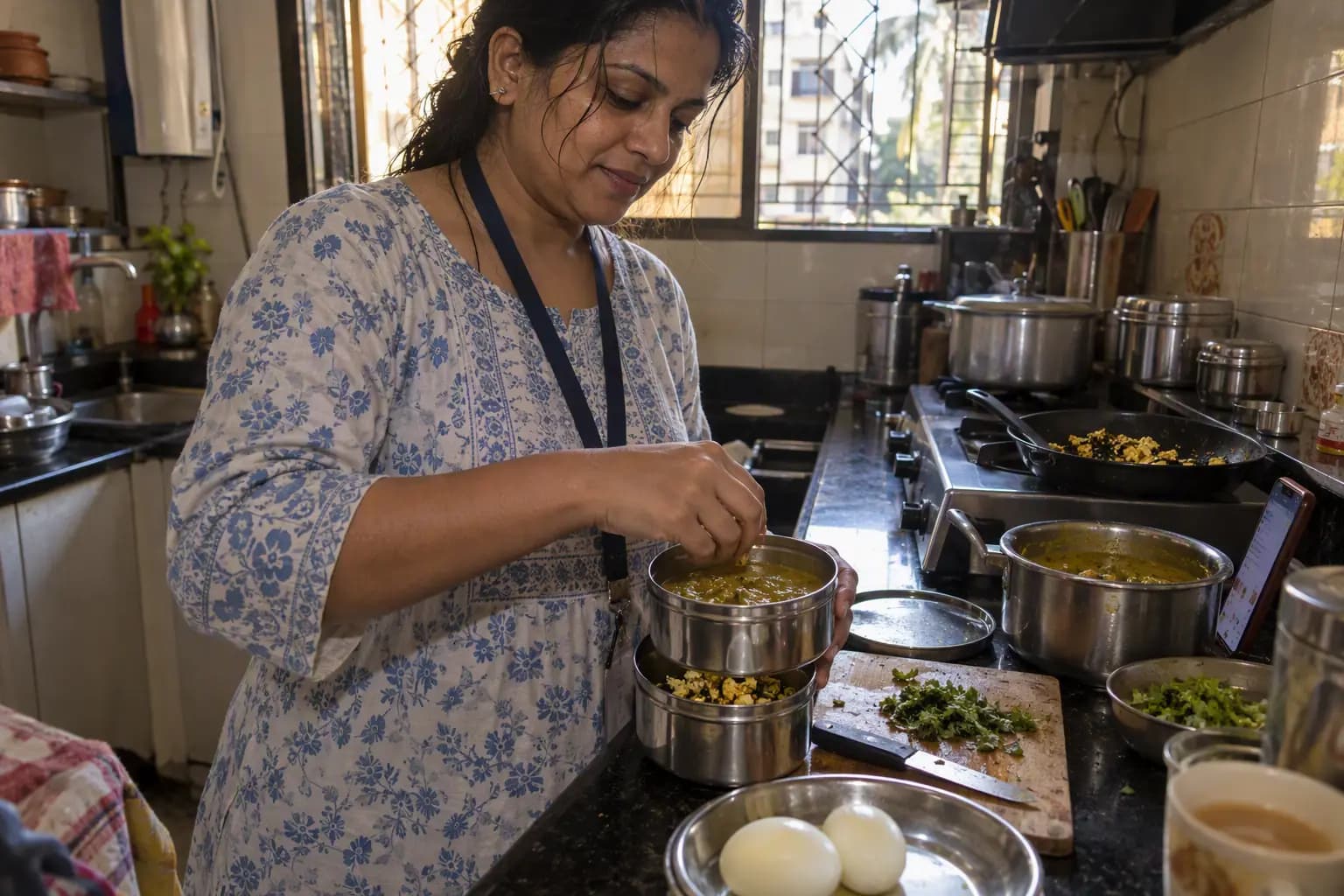
The checks that matter in the months after giving birth
What the doctor reads
A complete blood count shows anaemia. TSH shows whether the thyroid has been unsettled by the pregnancy. HbA1c or fasting sugar shows whether sugar has settled, which matters most after diabetes in pregnancy. A doctor reads them before any calorie target is set.
What each test shows
The complete blood count is first because anaemia explains a lot of the exhaustion new mothers put down to sleep. If it shows anaemia, iron-rich food comes before calorie cutting, and your doctor tells you whether you need to see your obstetrician or a physician about it.
TSH comes next. Inflammation of the thyroid after delivery is easily missed because its symptoms, tiredness, low mood, weight that will not move, look like ordinary new-parent life. A simple test settles it. Vitamin D and B12 are often low after pregnancy too and add to the tiredness.
If you had diabetes in pregnancy, HbA1c and fasting sugar tell you whether sugar has returned to normal. Even if it has, the risk later is real, and the habits built now, walking, meals and sleep, are the same ones that lower it. Bring your pregnancy and discharge reports to the call so the doctor sees the whole story.

What the plan changes
A plan that fits feeds, naps and a body that is still healing

The plan starts with walks with the baby, protein and iron at every meal and enough water, then adds core and strength work once your doctor is happy. Calories come down only gently, especially while you are breastfeeding.
How the plan works, week by week
Food comes first, and it has to be fast. Your nutritionist plans meals and snacks that can be eaten with one hand: curd with fruit, roasted chana, paneer or egg rolls, dal with roti made in batches. Protein and iron are built into every one, because recovery and milk both depend on them.
Traditional postpartum food is respected, not banned. Ghee-heavy laddoos and panjiri are part of many families' care. Your nutritionist works with them, often keeping them in smaller portions, rather than asking you to argue with your family.
Movement starts with walking, often with the pram or carrier, and builds slowly. Core work is chosen to suit any gap in the stomach muscles, and harder exercise begins only once your obstetrician has cleared you, which after a C-section usually takes several weeks.
Sleep is planned in pieces: naps when the baby sleeps, help with one night feed where possible, and a coach who adjusts the plan when a week goes badly instead of calling it a failure. Your doctor reviews progress every month.
From your door to your plan
Four steps after you book, with a real person at every one.
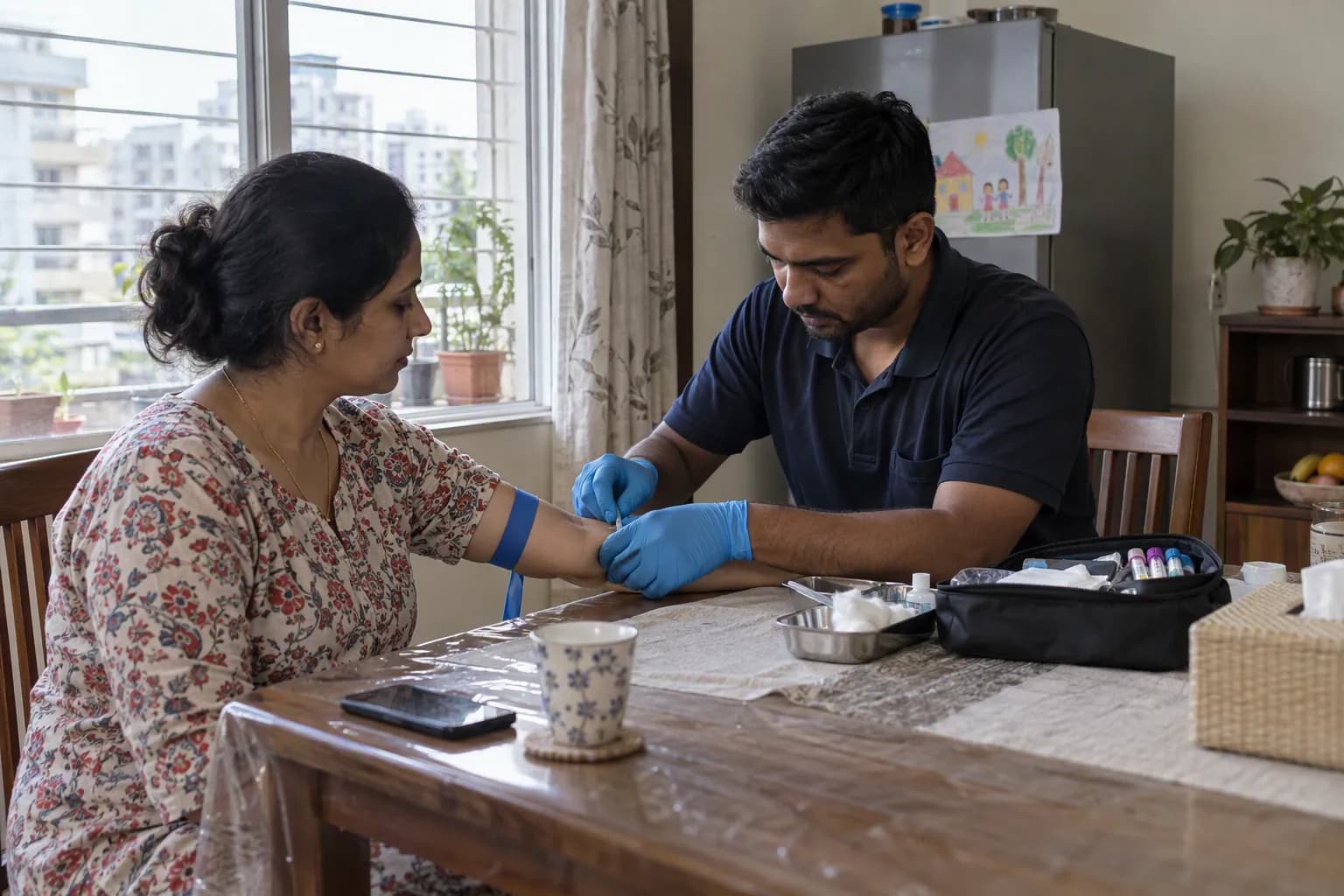 A morning slot
Home collection
One fasting sample at your door, in a morning slot.
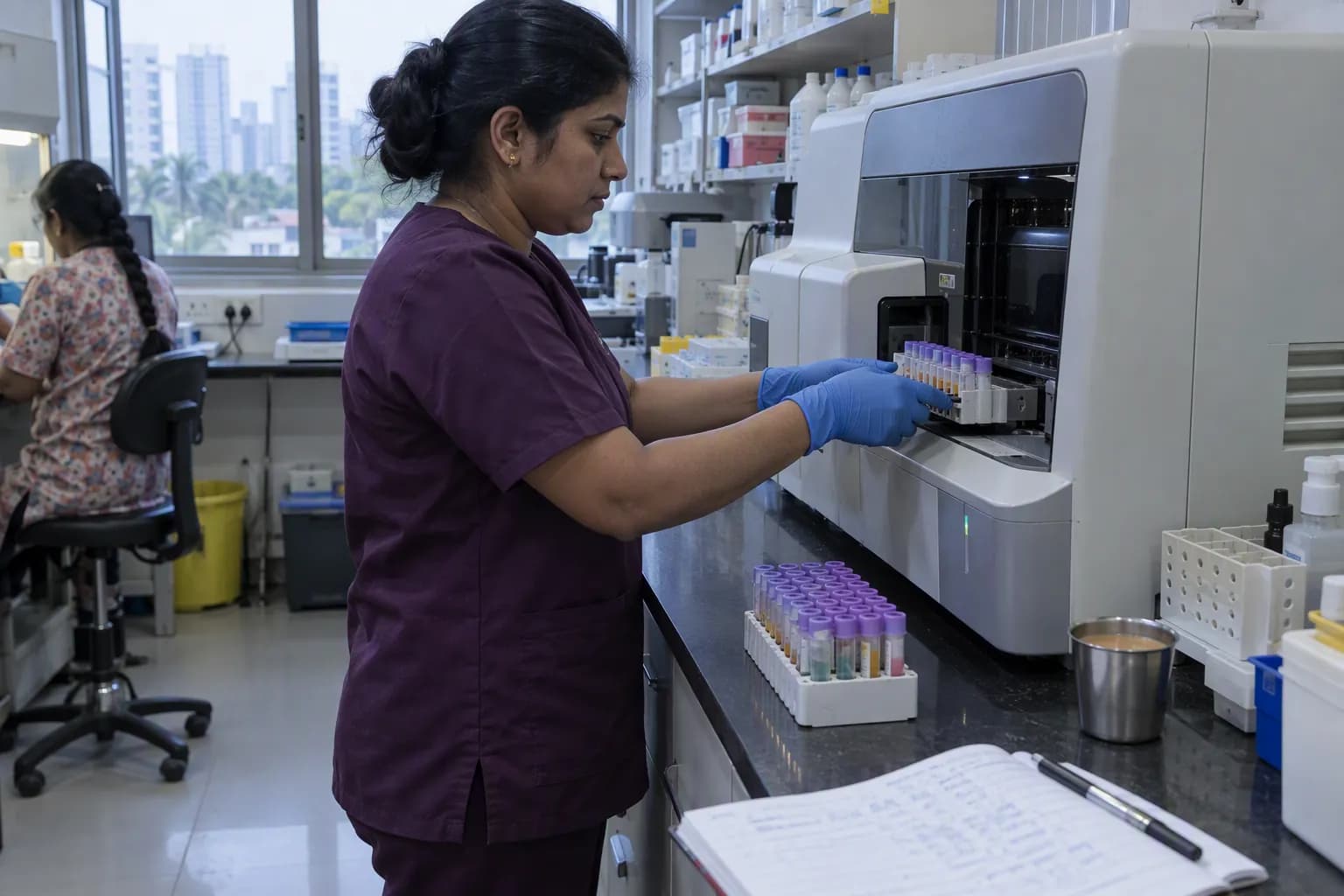 About day 2
Your report in about two days
A partnered NABL-accredited laboratory runs your panel.
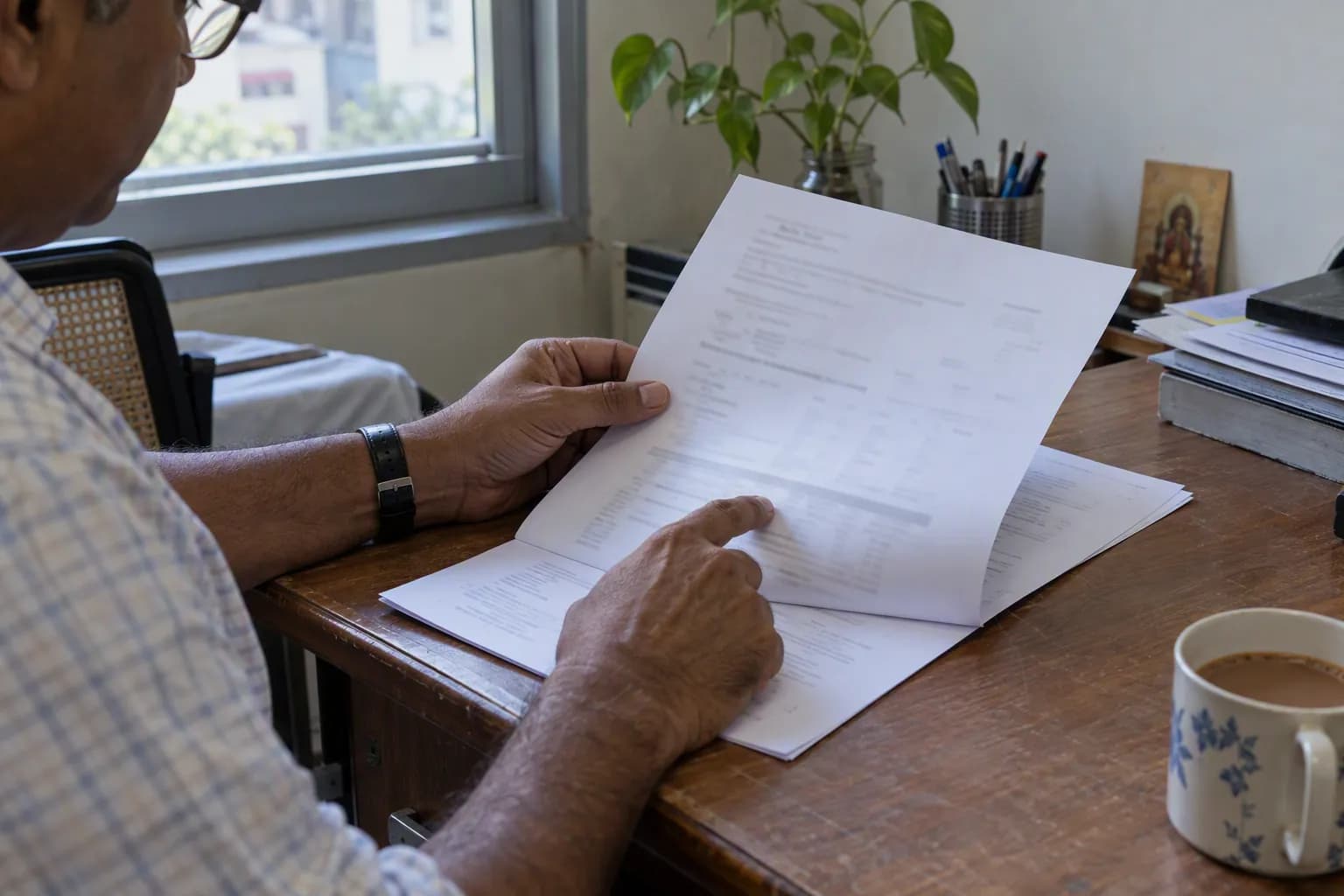 Around day 3
A doctor reads it with you
Around day 3, on video, every result against your history.
 Every week after
Your plan, around your week
Food, movement and sleep, planned from your own report.
Led by doctors. Planned around you.
Every plan starts with one doctor-led health assessment. Your doctor reads your results; your care advisor helps you choose.
Original price
₹3,999, now ₹999Health assessment
45+ markers collected at home, read by a doctor, with your plan around day 3.
Book my health assessment
6 months
Metaboliq Core
Your doctor, nutritionist and two coaches, a blood panel at home each quarter, and two smart scales to keep.
Cost explained on a call before you choose
Start with the assessment
6 months
Metaboliq Premium
A doctor every week, a care manager, continuous glucose monitoring and two smart scales to keep.
Cost explained on a call before you choose
Begins after your assessment, once your doctor says it suits you.
Start with the assessment
Start with the test
Your plan starts with one home blood test
Health assessment, ₹999: a home blood test, a doctor who reads it with you, and your plan.
Takes 2 minutes to book. Results vary; your doctor decides what is right for you.


Questions people ask
When can I start losing weight after delivery?
Gentle walking and sensible eating can start soon after an uncomplicated birth. Harder exercise should wait until your obstetrician clears you, usually after the postnatal check. A doctor reads your blood first, because anaemia and thyroid changes are common.
How do I lose weight after a C-section?
Slowly and in stages. The wound and the muscles beneath it need several weeks to heal before core and strength work. Walking, protein and iron come first, and your coach adds exercise once your obstetrician is happy.
Can I lose weight while breastfeeding?
Yes, steadily. Breastfeeding uses extra energy, but it also needs enough protein, iron, calcium and fluid, so calories come down only gently. A crash diet risks your energy and your milk.
2 more questions
I had diabetes in pregnancy. Does that change anything?
Yes. Your risk of type 2 diabetes later is higher, so a sugar test after birth matters, and the walking, meals and sleep in the plan are the same habits that lower that risk. Bring your pregnancy reports to the call.
What does it cost to start?
The health assessment is ₹999: the home blood panel, a registered doctor reading every result with you, a health coach session and your personalised plan. The blood is collected at home, so you do not need to leave the baby.
The research this page leans on
3 published sources
- American College of Obstetricians and Gynecologists, Committee Opinion 736, optimizing postpartum care, Obstetrics and Gynecology, 2018
- Vounzoulaki E et al., progression to type 2 diabetes after gestational diabetes, a systematic review and meta-analysis, BMJ, 2020
- American Diabetes Association, Standards of Care in Diabetes, Diabetes Care, 2025
Takes 2 minutes to book. A doctor makes every decision with you.
Book my health assessment