 metaboliq
Vegetarian weight loss, with enough protein to keep your muscle
For vegetarians
Lose up to 20% of your body weight — and keep your muscle.
60,000+ trained and transformed by our team in the last 4 years
Results vary; your doctor decides what is right for you. Takes 2 minutes to book. A doctor makes every decision with you.
Why vegetarian weight loss needs a plan
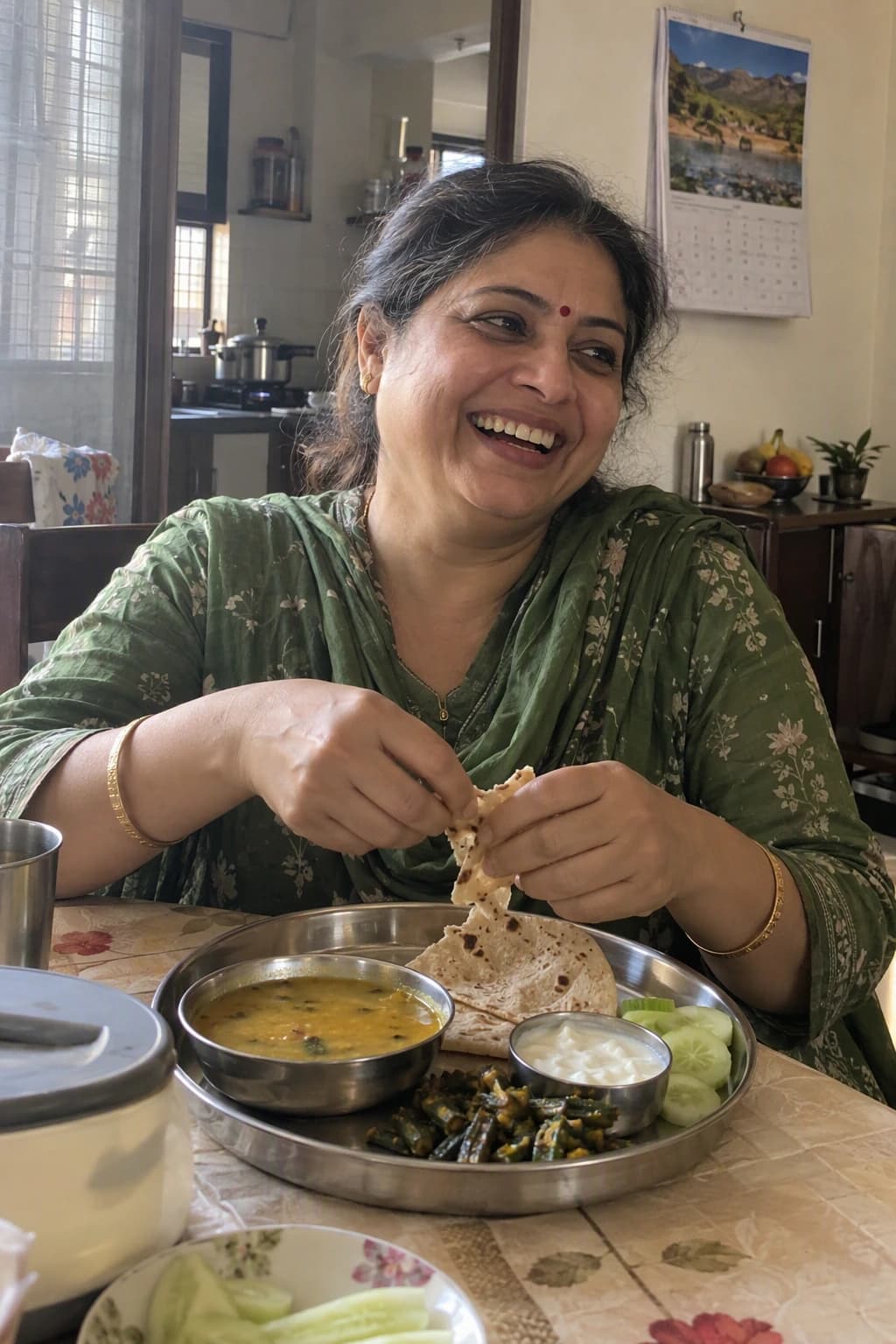
A vegetarian plate is often rich in grain and short of protein

Indian vegetarian food can be excellent for weight, but the everyday plate often leans on rice, roti and potato with a small bowl of dal. Without enough protein, weight loss takes muscle with it and hunger stays high.
Read more
The National Institute of Nutrition, under ICMR, sets the protein requirement for Indian adults at about 0.83 grams per kilogram of body weight a day. A typical vegetarian day of tea and biscuits, a roti-sabzi lunch and a rice-dal dinner can fall short of that, especially when portions are cut to lose weight.
Protein matters more during weight loss, not less. It keeps hunger down, and with strength work it protects the muscle that would otherwise be lost alongside fat. Losing fat while keeping muscle is the outcome the whole programme is built around.
Vegetarian protein is complete when it is combined. Cereals are short of one amino acid that pulses supply, and pulses are short of one that cereals supply, which is why dal with rice or roti, and curd with millet, have worked for generations. The plan uses that, and adds paneer, curd, soy, chana, sprouts and, if you eat them, eggs.
Two nutrients need watching. Vitamin B12 comes almost only from animal foods, and studies in India have found deficiency common among vegetarians; it causes tiredness, low mood and tingling. Iron from plants is absorbed less well than from meat. Both are easy to check and to plan for.

The numbers a vegetarian plan should be built on
What the doctor reads
B12 and vitamin D are low in many Indian vegetarians. A complete blood count shows anaemia. Sugar, insulin and lipids show how a grain-heavy plate has been treating you. Kidney function shows how much protein suits you.
What each test shows
Vitamin B12 is first, because its lack is common in vegetarians and explains a lot of tiredness. If it is low, your doctor tells you how to correct it and the plan adds the vegetarian foods that carry some, such as curd, milk and paneer. Vitamin D, low in many Indians whatever they eat, affects muscle and mood.
The complete blood count shows whether iron is short. HbA1c, fasting insulin and a lipid profile show whether a plate heavy in rice, roti and sweets has started to raise sugar, insulin or triglycerides, which is common in vegetarians who carry weight around the waist.
Kidney function is read before protein goes up, so the amount suits you. The doctor reads every result with you on video and agrees the first target with you.

What the plan changes
Protein at every vegetarian meal, without a protein shake habit

Your nutritionist adds protein to each meal from food you already like: besan chilla or curd at breakfast, dal and paneer or soy at lunch, chana or sprouts as a snack. Grain comes down a little; nothing you love is banned.
How the plan works, week by week
Breakfast is the easiest win. Swapping poha, upma or toast for besan or moong dal chilla, curd with seeds, a paneer paratha made with less oil, or eggs if you eat them, adds protein and keeps hunger away until lunch.
Lunch and dinner keep the same shape with different proportions: more dal, a protein such as paneer, tofu, soy chunks, rajma or chana, a big serving of sabzi, and a smaller share of rice or roti. Curd or buttermilk on the side adds protein and helps digestion.
Snacks change from biscuits and namkeen to roasted chana, sprouts chaat, a handful of nuts, or a glass of milk or buttermilk. Iron-rich foods such as leafy greens, rajma and ragi are paired with vitamin C, such as lemon or amla, and kept apart from tea, which lowers absorption.
Your coach adds two or three short strength sessions a week, so the extra protein builds and keeps muscle, and daily walking. Your doctor reviews progress every month and repeats B12 and vitamin D when it makes sense.
From your door to your plan
Four steps after you book, with a real person at every one.
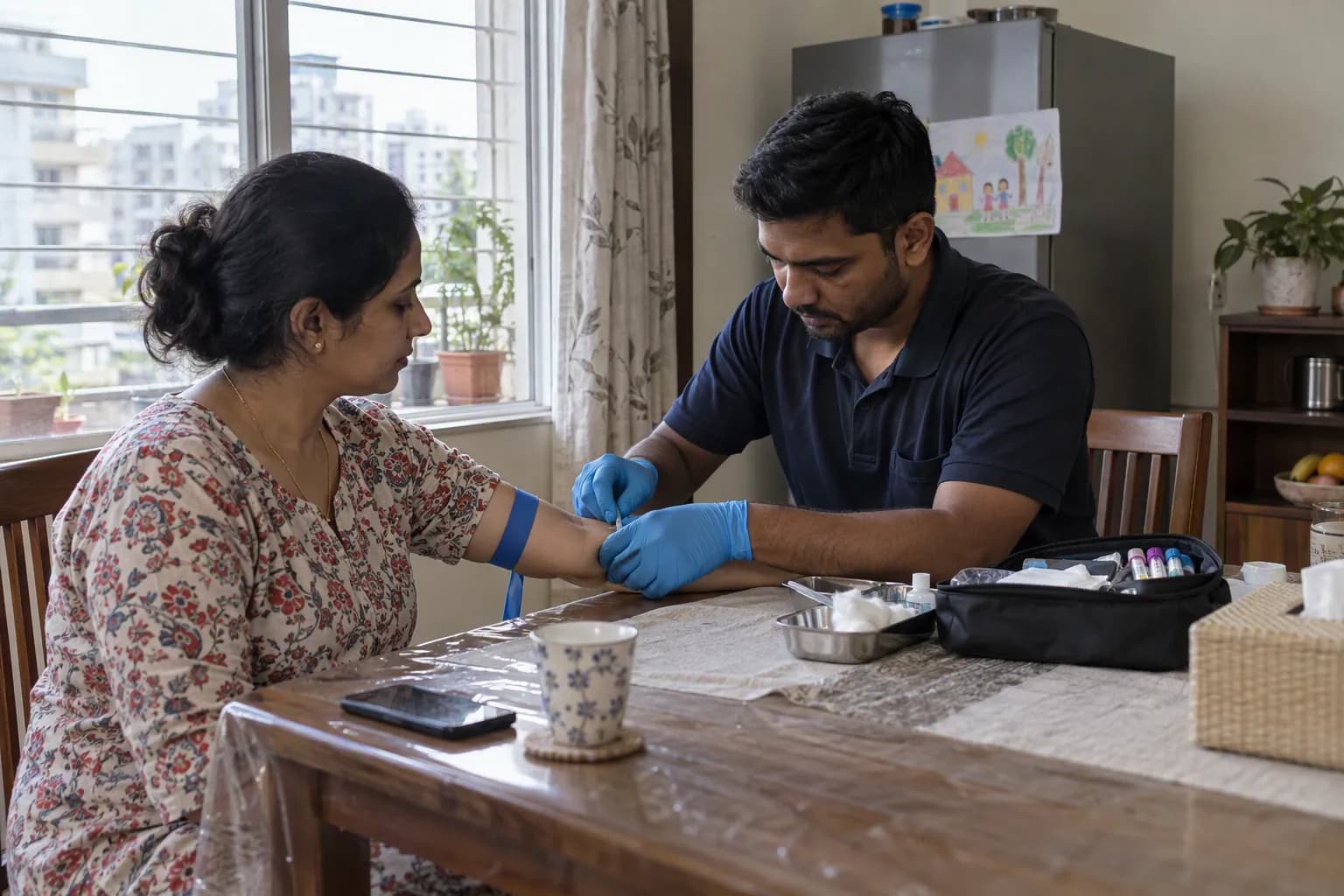 A morning slot
Home collection
One fasting sample at your door, in a morning slot.
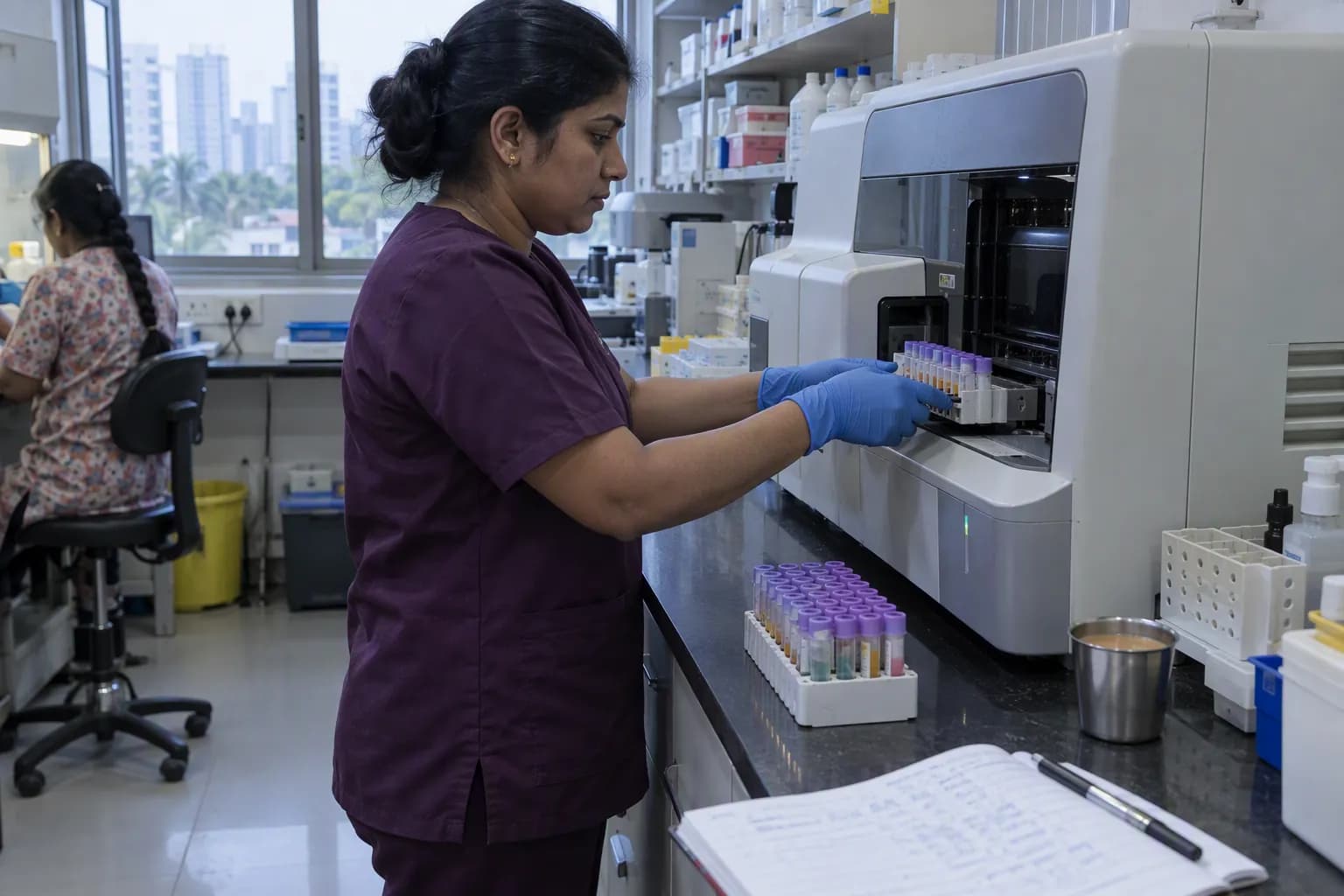 About day 2
Your report in about two days
A partnered NABL-accredited laboratory runs your panel.
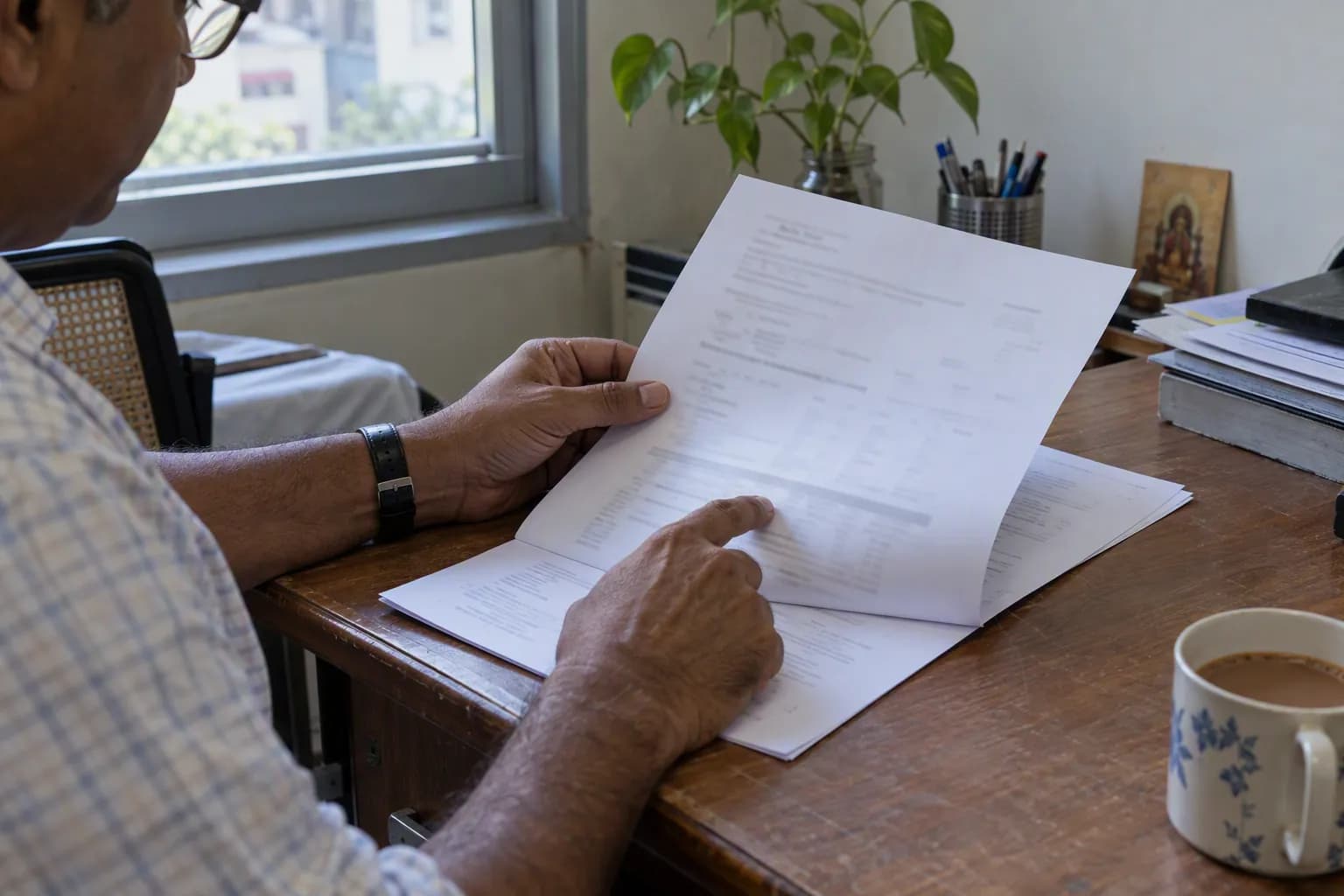 Around day 3
A doctor reads it with you
Around day 3, on video, every result against your history.
 Every week after
Your plan, around your week
Food, movement and sleep, planned from your own report.
Led by doctors. Planned around you.
Every plan starts with one doctor-led health assessment. Your doctor reads your results; your care advisor helps you choose.
Original price
₹3,999, now ₹999Health assessment
45+ markers collected at home, read by a doctor, with your plan around day 3.
Book my health assessment
6 months
Metaboliq Core
Your doctor, nutritionist and two coaches, a blood panel at home each quarter, and two smart scales to keep.
Cost explained on a call before you choose
Start with the assessment
6 months
Metaboliq Premium
A doctor every week, a care manager, continuous glucose monitoring and two smart scales to keep.
Cost explained on a call before you choose
Begins after your assessment, once your doctor says it suits you.
Start with the assessment
Start with the test
Your plan starts with one home blood test
Health assessment, ₹999: a home blood test, a doctor who reads it with you, and your plan.
Takes 2 minutes to book. Results vary; your doctor decides what is right for you.


Questions people ask
Can I lose weight on a vegetarian diet?
Yes. A vegetarian plate works well for weight when it carries enough protein. Your nutritionist adds dal, curd, paneer, soy, chana or sprouts to each meal and trims the grain a little.
How much protein does a vegetarian need?
The National Institute of Nutrition sets about 0.83 grams per kilogram of body weight a day for Indian adults. During weight loss, with strength work, your nutritionist may plan a little more, checked against your kidney function.
Do I need protein powder?
Not usually. Most people can reach their protein from dal, curd, paneer, soy, chana and milk. Your nutritionist only suggests a supplement if food alone is not practical for you.
2 more questions
Why should a vegetarian check vitamin B12?
Because B12 comes almost only from animal foods, and deficiency is common among Indian vegetarians. It causes tiredness and tingling, and it is easy to check and to correct.
What does it cost to start?
The health assessment is ₹999: the home blood panel, a registered doctor reading every result with you, a health coach session and your personalised plan.
The research this page leans on
3 published sources
- ICMR National Institute of Nutrition, nutrient requirements for Indians and dietary guidelines for Indians
- Yajnik CS et al., vitamin B12 deficiency and hyperhomocysteinemia in rural and urban Indians, Journal of the Association of Physicians of India, 2006
- Cava E, Yeat NC, Mittendorfer B, preserving healthy muscle during weight loss, Advances in Nutrition, 2017
Takes 2 minutes to book. A doctor makes every decision with you.
Book my health assessment