 metaboliq
Weight loss for prediabetes, while it is easiest to turn around
Prediabetes and weight
Lose up to 20% of your body weight — and keep your muscle.
60,000+ trained and transformed by our team in the last 4 years
Results vary; your doctor decides what is right for you. Takes 2 minutes to book. A doctor makes every decision with you.

Why this stage matters
Prediabetes is the stage where weight loss changes the most

Prediabetes means your sugar is higher than normal but not yet in the diabetes range. It is very common in India and often silent. It is also the stage where trials show the clearest benefit from losing weight and moving more.
Read more
The ICMR-INDIAB study estimated that about fifteen percent of Indian adults have prediabetes, more than have diabetes itself. Most of them do not know, because the stage has no symptoms. It is usually found on a routine report as a fasting sugar between 100 and 125 mg/dL or an HbA1c between 5.7 and 6.4 percent, the ranges the American Diabetes Association uses.
In the Diabetes Prevention Program in the United States, people with raised sugar who aimed to lose seven percent of their body weight and walk about 150 minutes a week cut their risk of developing diabetes by more than half over three years, compared with usual care. In India, the Indian Diabetes Prevention Programme found that lifestyle change cut the risk substantially as well.
Indians tend to develop diabetes at a lower body weight than people of European origin, and to carry more fat around the organs at any given weight. That is why a normal-looking BMI does not rule prediabetes out, and why the waist often says more than the scale.
The useful part is that the body is still responding. The cells that make insulin are working, insulin is still mostly effective, and the changes needed are modest. A plan started now does far more, with far less effort, than the same plan started after diabetes has set in.

Where your sugar sits, and how hard your insulin is working to hold it
What the doctor reads
HbA1c and fasting sugar show how close to the line you are. Fasting insulin and HOMA-IR show how much effort it is taking to stay there. A doctor reads them with your waist, your family history and your lipids.
What each test shows
Two people can have the same HbA1c of 6.0 and be in very different places. One has normal insulin and a sugar that has crept up slowly. The other has an insulin level several times higher than it should be, working hard to hold that 6.0. The second person is closer to diabetes than the number alone suggests, and their plan leans harder on muscle and food quality.
A lipid profile shows whether insulin resistance has started to affect triglycerides and HDL cholesterol, which often move before sugar does. Liver markers matter because fat in the liver is one of the main drivers of prediabetes, and it responds quickly to weight loss.
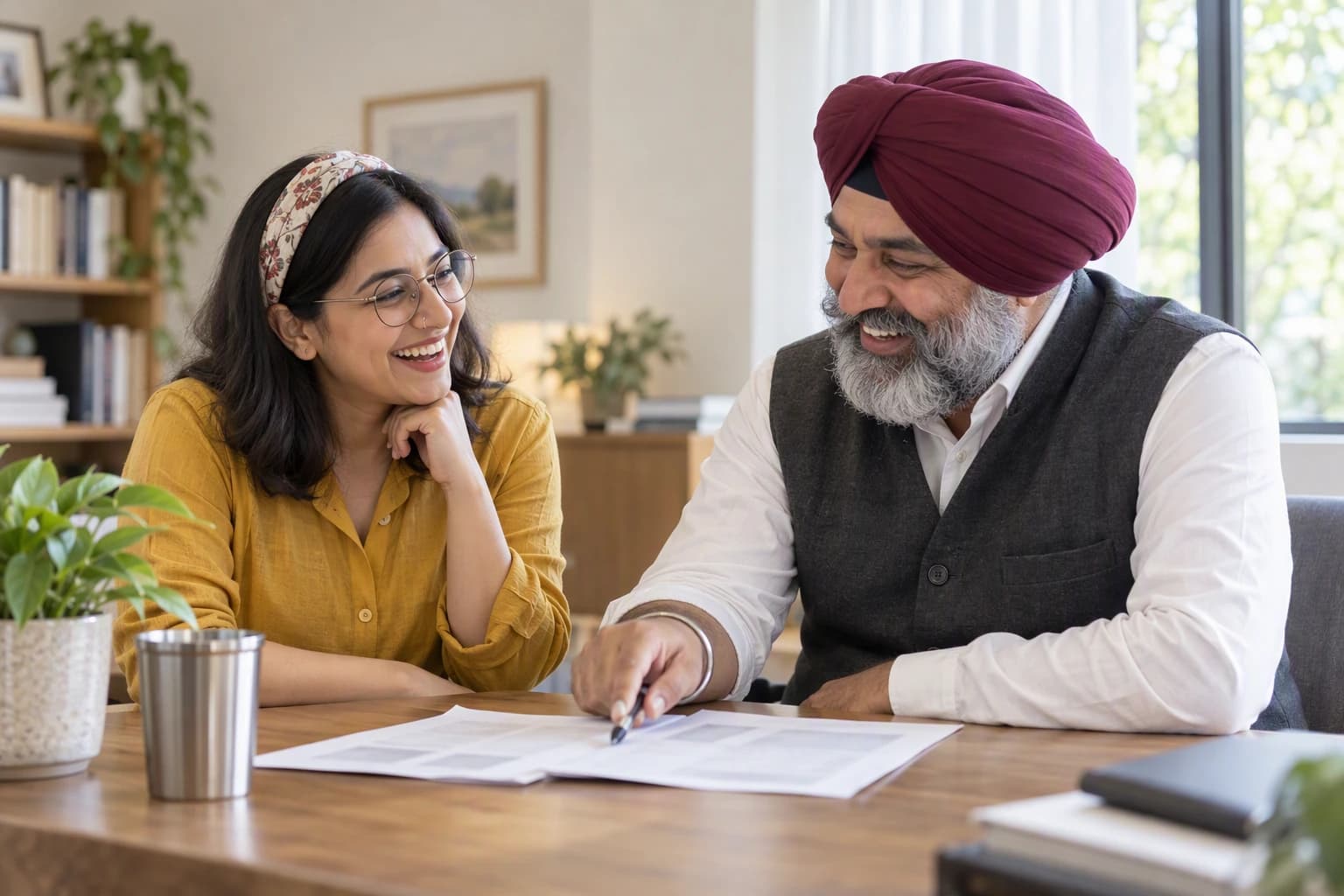
Your doctor reads every number with you on a video call, explains your own starting point in plain words, and agrees a first target, usually a share of body weight and a weekly walking time, so that progress can be measured rather than guessed.
What the plan changes
The two things trials say work: a little less weight and a lot more walking

The plan follows what the prevention trials did. A modest, steady weight loss, about 150 minutes of walking a week built up gradually, and meals that lower the sugar spike after eating. Your coach keeps it realistic around work and family.
How the plan works, week by week
Walking is the backbone. Your coach builds up to about 150 minutes a week, often as a ten- to fifteen-minute walk after each main meal, which lowers the rise in sugar that follows it. Two short strength sessions a week are added once walking is a habit, because muscle takes up sugar without extra insulin.
Meals change in proportion, not in cuisine. Your nutritionist moves part of the rice, roti or poha on your plate to dal, sprouts, vegetables, curd or eggs, and suggests eating the vegetables and protein first. Sweetened drinks and refined snacks between meals are usually the easiest early wins.
Sleep and stress matter more than most people expect. A few nights of short sleep make insulin measurably less effective, so the coach looks at bedtime, late screens and late dinners as part of the plan, not as an afterthought.
Your doctor repeats the key markers at sensible intervals and reviews progress with you every month. The aim is for the next report to show sugar moving back towards normal, and for you to know exactly which changes did it.
From your door to your plan
Four steps after you book, with a real person at every one.
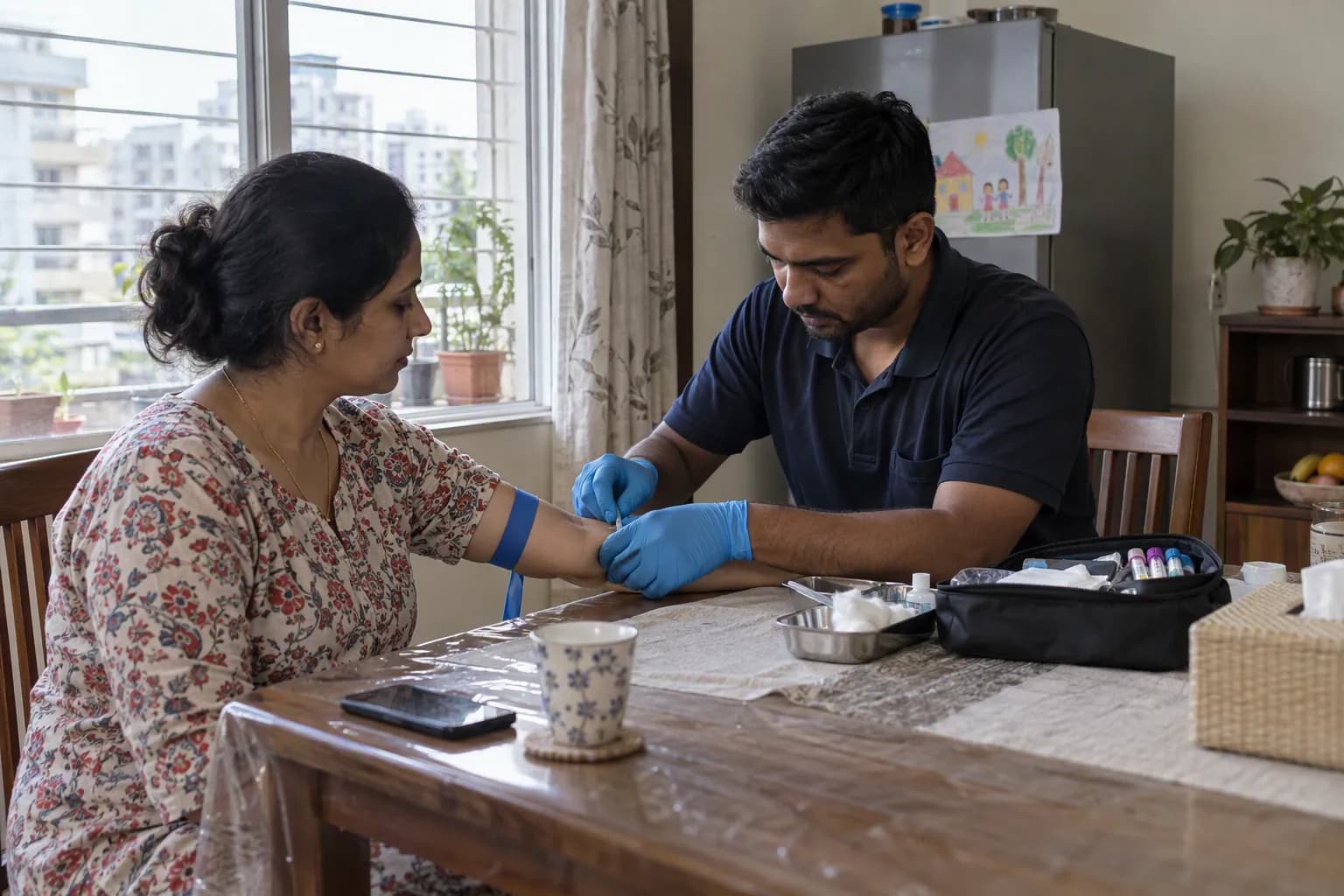 A morning slot
Home collection
One fasting sample at your door, in a morning slot.
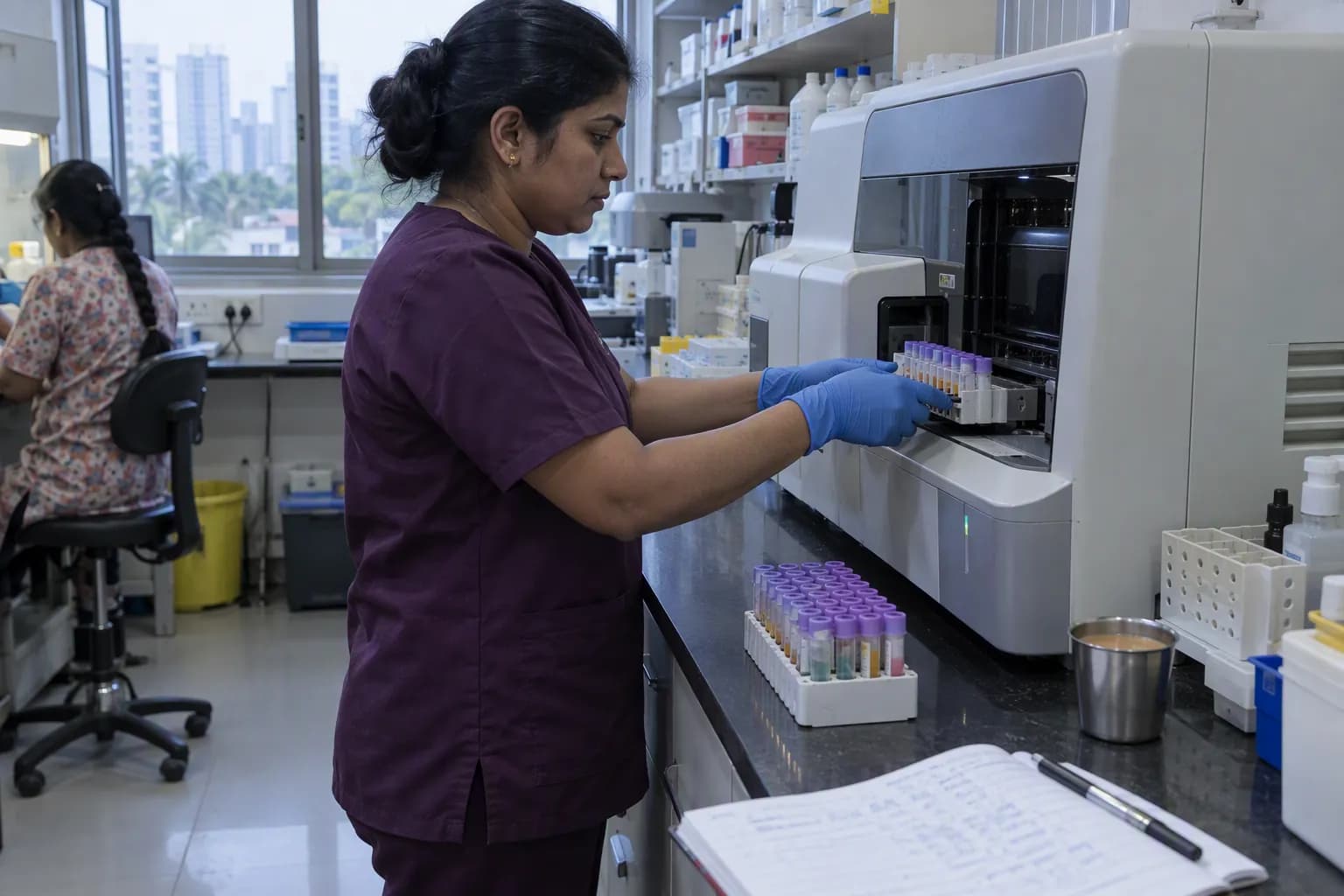 About day 2
Your report in about two days
A partnered NABL-accredited laboratory runs your panel.
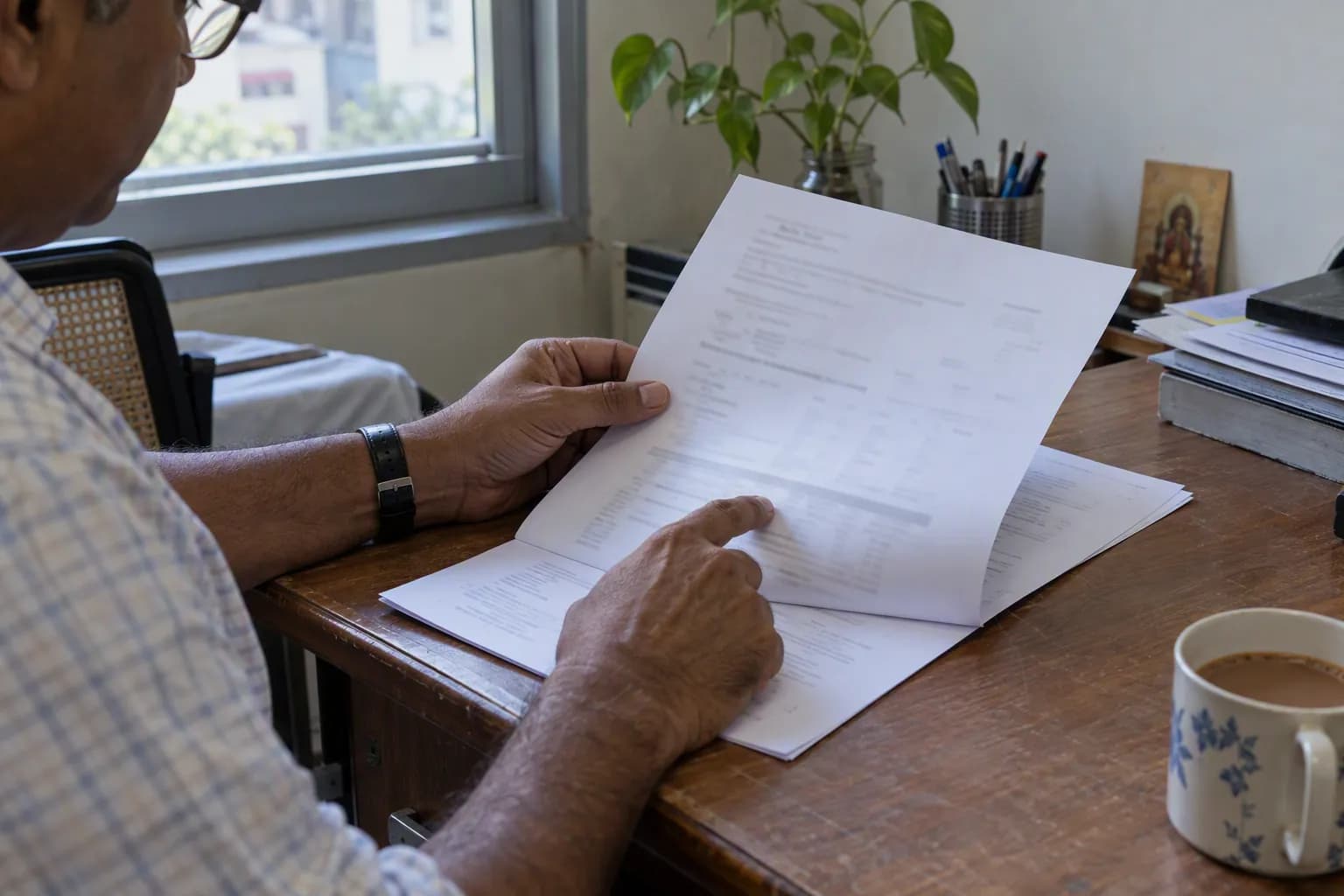 Around day 3
A doctor reads it with you
Around day 3, on video, every result against your history.
 Every week after
Your plan, around your week
Food, movement and sleep, planned from your own report.
Led by doctors. Planned around you.
Every plan starts with one doctor-led health assessment. Your doctor reads your results; your care advisor helps you choose.
Original price
₹3,999, now ₹999Health assessment
45+ markers collected at home, read by a doctor, with your plan around day 3.
Book my health assessment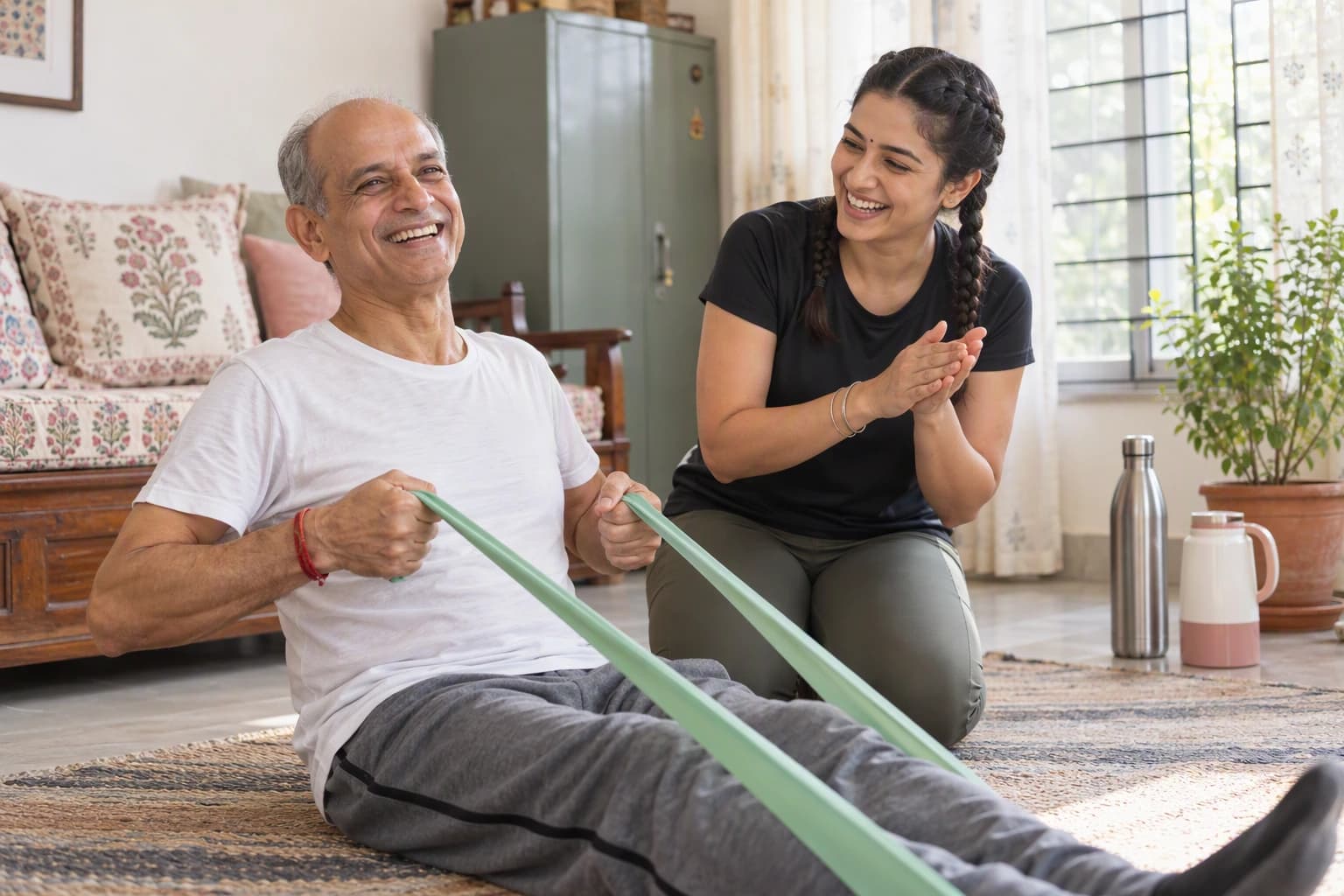
6 months
Metaboliq Core
Your doctor, nutritionist and two coaches, a blood panel at home each quarter, and two smart scales to keep.
Cost explained on a call before you choose
Start with the assessment
6 months
Metaboliq Premium
A doctor every week, a care manager, continuous glucose monitoring and two smart scales to keep.
Cost explained on a call before you choose
Begins after your assessment, once your doctor says it suits you.
Start with the assessment
Start with the test
Your plan starts with one home blood test
Health assessment, ₹999: a home blood test, a doctor who reads it with you, and your plan.
Takes 2 minutes to book. Results vary; your doctor decides what is right for you.


Questions people ask
Can prediabetes go back to normal?
For many people, yes. Prevention trials found that modest weight loss and regular walking cut the risk of moving on to diabetes by about half, and sugar often returns towards the normal range. Your doctor reads your own numbers and tells you what is realistic.
My weight looks normal but my HbA1c is 6.0. Why?
Indians often carry fat around the organs at a normal-looking weight, and insulin resistance can be present without obvious weight gain. The panel shows how hard your insulin is working, which explains a lot of these cases.
How much weight do I need to lose?
Less than most people think. The Diabetes Prevention Program aimed for seven percent of body weight. Your doctor sets a first target from your own results, often in that range, together with a weekly walking goal.
2 more questions
Do I need to go to a diabetes clinic?
No. The blood is collected at your home, the doctor reads it with you on video, and your coach and nutritionist work with you on your phone.
What does the assessment cost?
The health assessment is ₹999: the home blood panel, a registered doctor reading it with you, a health coach session and your personalised plan.
The research this page leans on
4 published sources
Takes 2 minutes to book. A doctor makes every decision with you.
Book my health assessment