 metaboliq
Weight loss with type 2 diabetes, guided by a doctor
Type 2 diabetes and weight
Lose up to 20% of your body weight — and keep your muscle.
60,000+ trained and transformed by our team in the last 4 years
Results vary; your doctor decides what is right for you. Takes 2 minutes to book. A doctor makes every decision with you.
Why weight matters most here
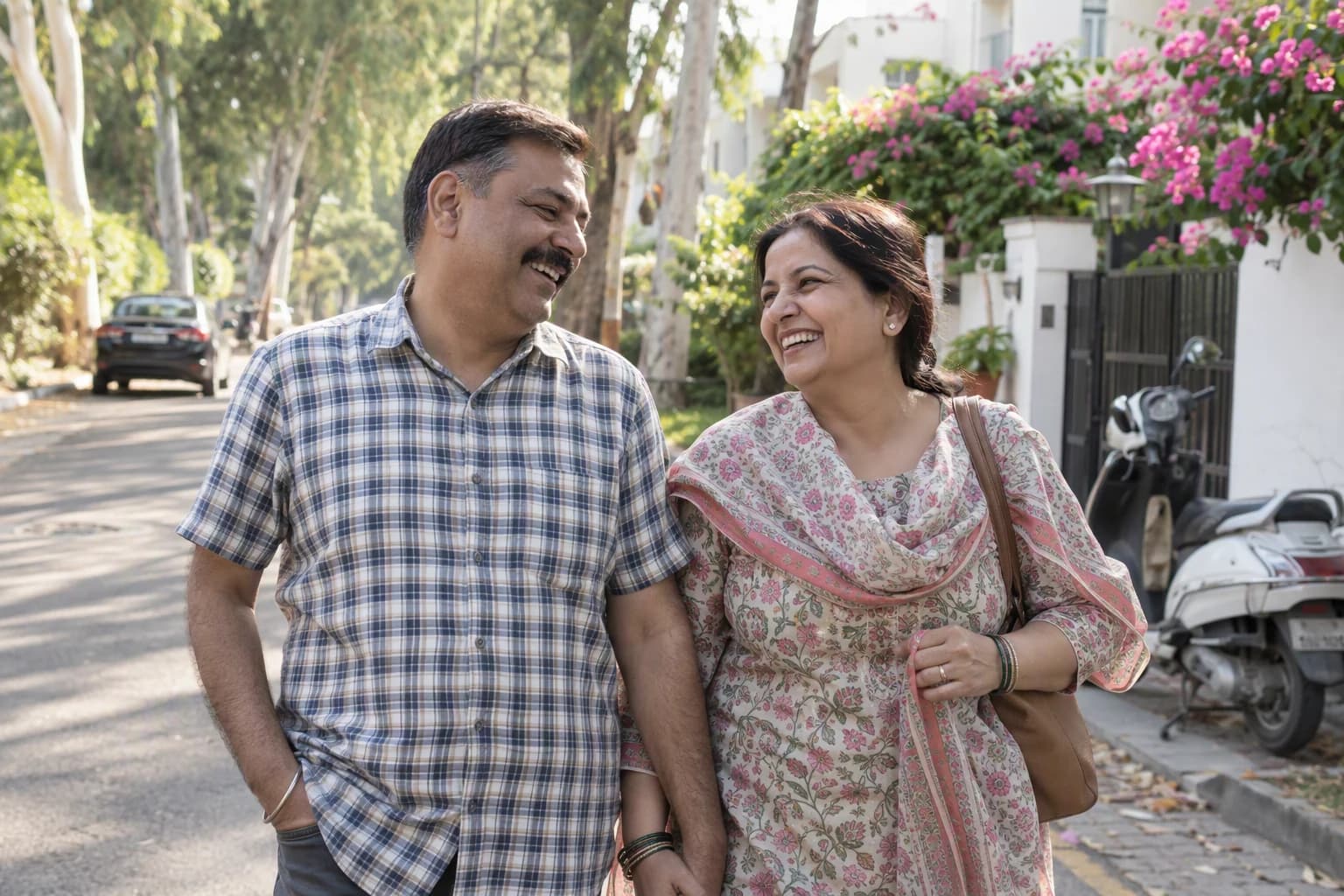
In type 2 diabetes, weight is one of the strongest levers there is

Extra weight, especially around the waist and in the liver, makes insulin work less well. Large trials have found that losing a modest share of body weight improves HbA1c, blood pressure and cholesterol together, and in some people brings diabetes into remission.
Read more
India has one of the largest numbers of people with diabetes in the world. The ICMR-INDIAB study, published in 2023, estimated that about one adult in nine has it, and that abdominal obesity is even more common. In many people the two are linked through fat stored in the liver and pancreas, which blunts insulin and wears out the cells that make it.
That is why weight is not a side issue. In the Look AHEAD trial, people with type 2 diabetes who lost between five and ten percent of their body weight saw clear improvements in HbA1c, blood pressure and cholesterol within a year, and those who lost more saw more.
The DiRECT trial in the UK went further. It tested a structured weight-management programme in primary care for people diagnosed within the previous six years, and nearly half of those who took part were in remission at one year, meaning their HbA1c stayed below the diabetes range without their diabetes treatment. Remission was most likely in those who lost the most weight.
None of that happens safely without a doctor watching. Eating less while on some diabetes treatments can push sugar too low, so changes to your treatment are your doctor's decision, made as your eating and your readings change. That is the difference between a doctor-led plan and a diet you try alone.

The numbers that make a diabetes plan safe as well as effective
What the doctor reads
HbA1c shows your average sugar over the last two to three months. Kidney function, lipids and liver markers show how diabetes is affecting the rest of the body. A doctor reads them together before any target is set.
What each test shows
HbA1c and fasting blood sugar set the starting point and the first target. Kidney function, read from creatinine and the eGFR worked out from it, matters because it changes which foods and which amounts of protein suit you, and because diabetes is one of the commonest causes of kidney strain. A lipid profile shows the cholesterol pattern diabetes so often brings.
Liver markers are on the list because fatty liver is very common in type 2 diabetes and responds well to the same weight loss. Vitamin B12 matters too: long-term diabetes care can lower it, and its lack causes tiredness and tingling feet that people put down to sugar alone.
Bring your current treatment list and your recent glucose readings to the video call. Your doctor reads the new panel against them, explains what each number means for you, and agrees how sugar will be checked while your meals change. If your readings need a change to your treatment, that is decided by a doctor, never by the plan on its own.

What the plan changes
A plate, a walk and a steady routine, adjusted as your sugar answers

The plan starts with the plate: half vegetables, a quarter protein, a quarter grain. A ten-minute walk after the biggest meal blunts the sugar spike that follows it. Your coach checks in weekly and your doctor reviews progress every month.
How the plan works, week by week
Carbohydrate is planned, not banned. Your nutritionist looks at how much rice, roti, poha or idli you eat, swaps part of it for dal, sprouts, paneer, eggs or vegetables, and keeps the grain you like on the plate in a smaller share. Eating vegetables and protein before the grain lowers the rise in sugar after the meal, which is an easy habit to keep.
Sweet drinks, fruit juices and the sugar in tea are usually the first things to go, because they raise sugar quickly and add little else. Whole fruit stays, in sensible portions. Festivals and weddings are planned for in advance rather than treated as failures.
Movement is built in small pieces. A short walk after meals, two strength sessions a week at home and fewer long stretches in a chair all help muscle take up sugar without extra insulin. The coach sets targets you can actually meet on a working day and raises them as you go.
Your readings drive the next step. As your meals change, your doctor reviews your sugar trend and your weight every month and decides with you whether anything in your diabetes care should change. You should never change your treatment yourself because your sugar looks better.
From your door to your plan
Four steps after you book, with a real person at every one.
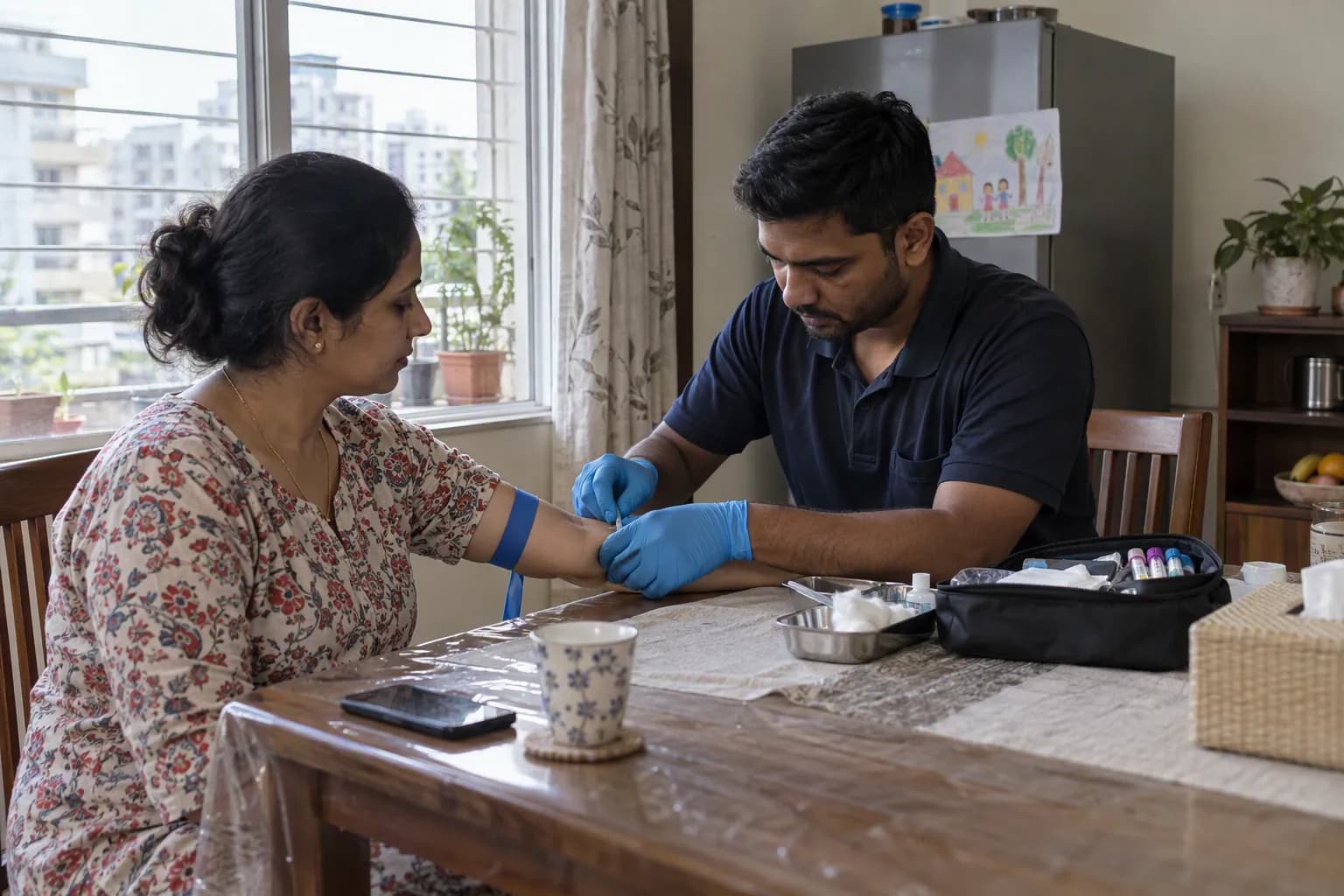 A morning slot
Home collection
One fasting sample at your door, in a morning slot.
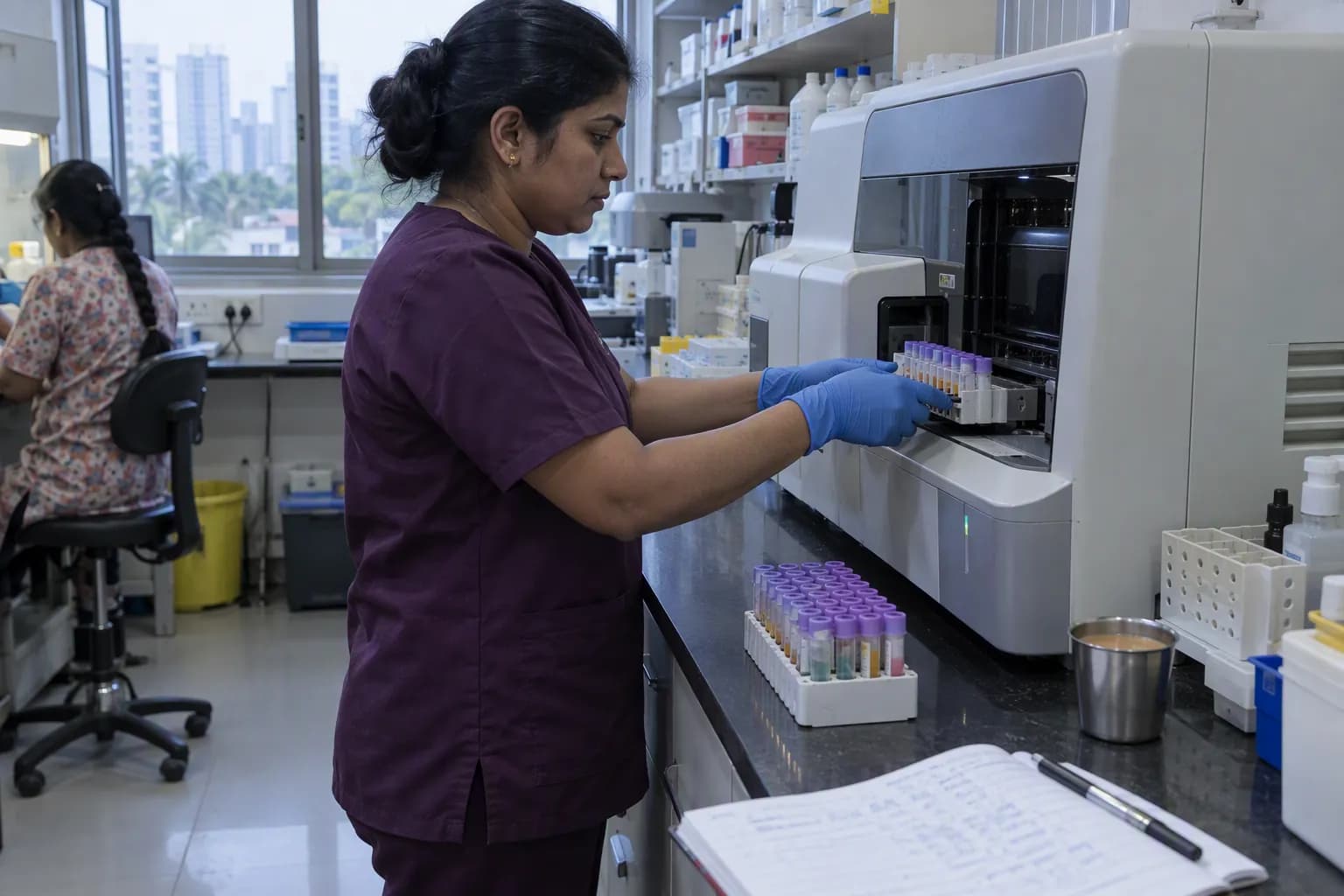 About day 2
Your report in about two days
A partnered NABL-accredited laboratory runs your panel.
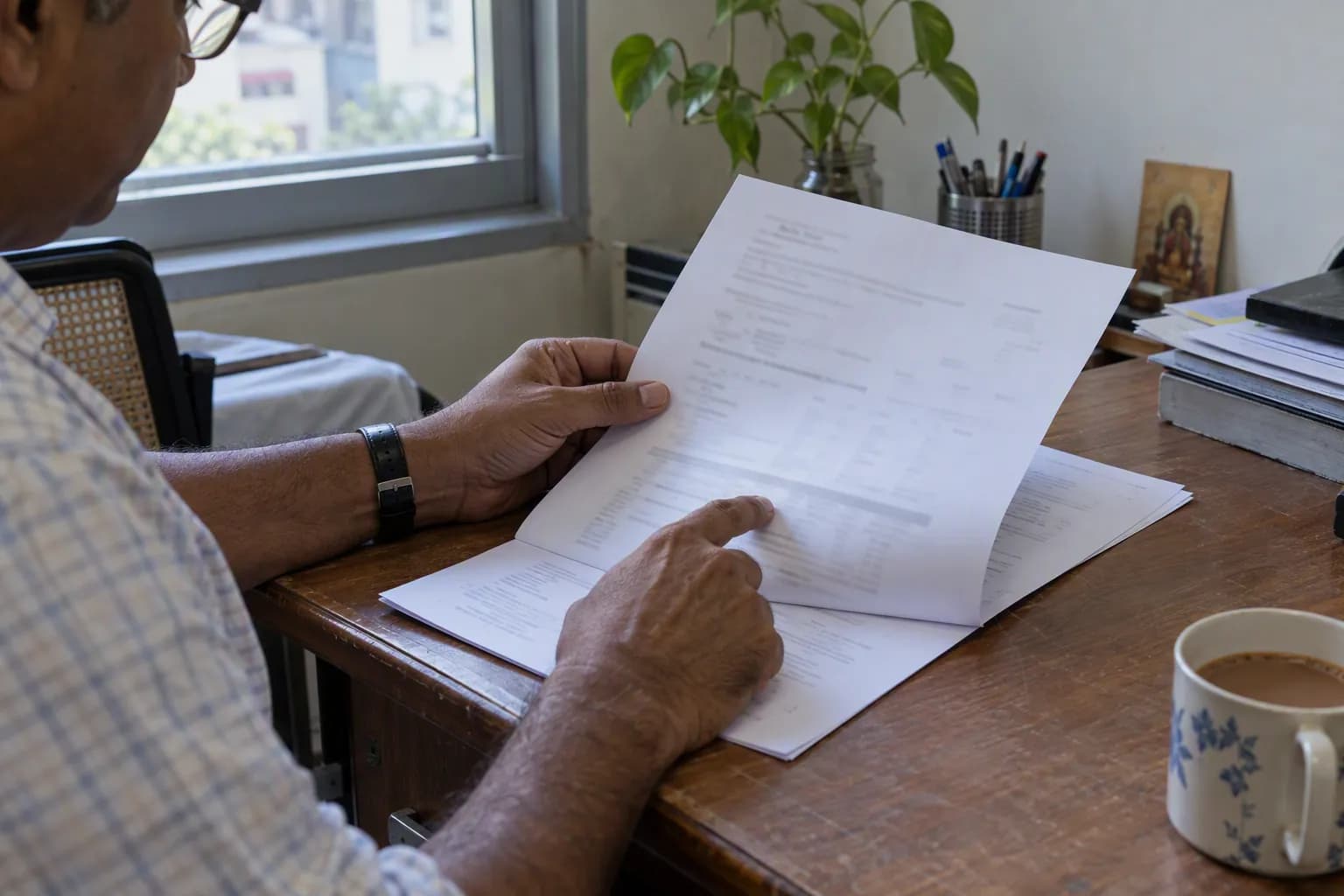 Around day 3
A doctor reads it with you
Around day 3, on video, every result against your history.
 Every week after
Your plan, around your week
Food, movement and sleep, planned from your own report.
Led by doctors. Planned around you.
Every plan starts with one doctor-led health assessment. Your doctor reads your results; your care advisor helps you choose.

Original price
₹3,999, now ₹999Health assessment
45+ markers collected at home, read by a doctor, with your plan around day 3.
Book my health assessment
6 months
Metaboliq Core
Your doctor, nutritionist and two coaches, a blood panel at home each quarter, and two smart scales to keep.
Cost explained on a call before you choose
Start with the assessment
6 months
Metaboliq Premium
A doctor every week, a care manager, continuous glucose monitoring and two smart scales to keep.
Cost explained on a call before you choose
Begins after your assessment, once your doctor says it suits you.
Start with the assessment
Start with the test
Your plan starts with one home blood test
Health assessment, ₹999: a home blood test, a doctor who reads it with you, and your plan.
Takes 2 minutes to book. Results vary; your doctor decides what is right for you.


Questions people ask
Is weight loss safe if I already have diabetes?
Yes, when a doctor is watching. Eating less while on some diabetes treatments can make sugar fall too low, so your doctor plans how sugar is checked as your meals change and decides any change to your treatment.
Can losing weight put type 2 diabetes into remission?
In some people, yes. In the DiRECT trial, nearly half of people diagnosed within the previous six years were in remission at one year after a structured weight-management programme. It is most likely early in diabetes and with larger weight loss. Your doctor tells you what is realistic for you.
Do I have to stop eating rice?
No. Your nutritionist reduces the share of rice or roti on the plate and fills the rest with dal, vegetables and protein. Most people keep the food they like and change the proportions.
2 more questions
Will my diabetologist still be involved?
Yes. Your doctor here reads your whole metabolic panel and leads the weight plan, and works alongside the doctor who manages your diabetes. Bring your recent reports and current treatment list to the first call.
What does it cost to start?
The health assessment is ₹999. It covers the home blood panel, a registered doctor's reading of it with you, a health coach session and your personalised plan, at the price checkout shows.
Takes 2 minutes to book. A doctor makes every decision with you.
Book my health assessment