 metaboliq
Weight loss with insulin resistance, measured and planned
Insulin resistance and weight
Lose up to 20% of your body weight — and keep your muscle.
60,000+ trained and transformed by our team in the last 4 years
Results vary; your doctor decides what is right for you. Takes 2 minutes to book. A doctor makes every decision with you.

What is going on
Your sugar can look normal for years while insulin works overtime

In insulin resistance, the body's cells answer insulin less well, so the pancreas makes more of it to keep sugar normal. High insulin makes stored fat easier to keep and harder to use. The weight responds once insulin is asked to do less.
Read more
Insulin's job is to move sugar from the blood into muscle, liver and fat. When those cells stop listening well, the pancreas compensates by making more. For a long time that works: the sugar on your report stays normal, and nobody looks further. Meanwhile the extra insulin tells the body to store energy and not to release it.
That is why insulin resistance often shows up first as weight around the waist, energy that crashes after meals, hunger that comes back soon after eating, or dark, velvety skin on the back of the neck or under the arms. Skin tags, high triglycerides and fatty liver are part of the same picture.
South Asians are more prone to it than most populations at the same weight. The pattern researchers call the thin-fat Indian, a normal BMI with more fat around the organs and less muscle, is one reason a normal weight does not rule insulin resistance out.
The useful part is that insulin resistance answers to things you control. Muscle is the body's largest store for sugar, so building it lets sugar leave the blood with less insulin. Losing fat from the liver and waist helps further. Food order, protein and sleep each take a little more load off the pancreas.

The numbers that show insulin resistance before sugar does
What the doctor reads
Fasting insulin shows how much insulin your body needs at rest. HOMA-IR combines it with fasting sugar into one index. HbA1c, triglycerides, HDL and liver markers complete the picture, and a doctor reads them together.
What each test shows
HOMA-IR is worked out from fasting insulin and fasting sugar. A rising value says your body is spending more insulin to hold the same sugar. There is no single cut-off agreed for every population, so your doctor reads it with your waist, your family history and your other numbers, rather than as a pass or a fail.
Triglycerides and HDL cholesterol often move before sugar does: high triglycerides with low HDL is one of the clearest signs that insulin resistance has started to affect the body. Liver markers show whether fat has started to build up in the liver, which both causes and follows insulin resistance.
HbA1c shows whether sugar itself has started to rise. If it has, the plan is more urgent and your doctor may suggest repeating the key markers sooner. Either way, you leave the call knowing your own starting point and the first thing the plan is aiming to change.

What the plan changes
Ask insulin to do less: muscle, food order and steady meals

The plan builds muscle with two or three short strength sessions a week, puts protein and vegetables before the grain at each meal, and adds a walk after the largest one. Each of these lowers how much insulin your body needs.
How the plan works, week by week
Strength work comes first because it is the most direct lever. Muscle that is being used takes up sugar with less insulin, for hours after a session. Your coach starts with body weight or resistance bands at home, two or three times a week, and progresses slowly, so it is something you can keep doing for years.
Food order is the easiest habit. Eating the vegetables and the dal, paneer, egg or chicken before the rice or roti lowers the rise in sugar and insulin after the meal, without removing anything. Your nutritionist also looks at protein at breakfast, sweet drinks and the snacks between meals, which are often where insulin gets no rest.
A ten-minute walk after the largest meal of the day blunts the spike that follows it. Sleep is planned too: a short night leaves insulin measurably less effective the next day, which is why the coach treats bedtime as part of the plan.
Your doctor reviews progress every month. Waist size and energy often improve before the scale moves much, and the next panel shows whether fasting insulin and HOMA-IR have come down, so you can see the change rather than take it on trust.
From your door to your plan
Four steps after you book, with a real person at every one.
 A morning slot
Home collection
One fasting sample at your door, in a morning slot.
 About day 2
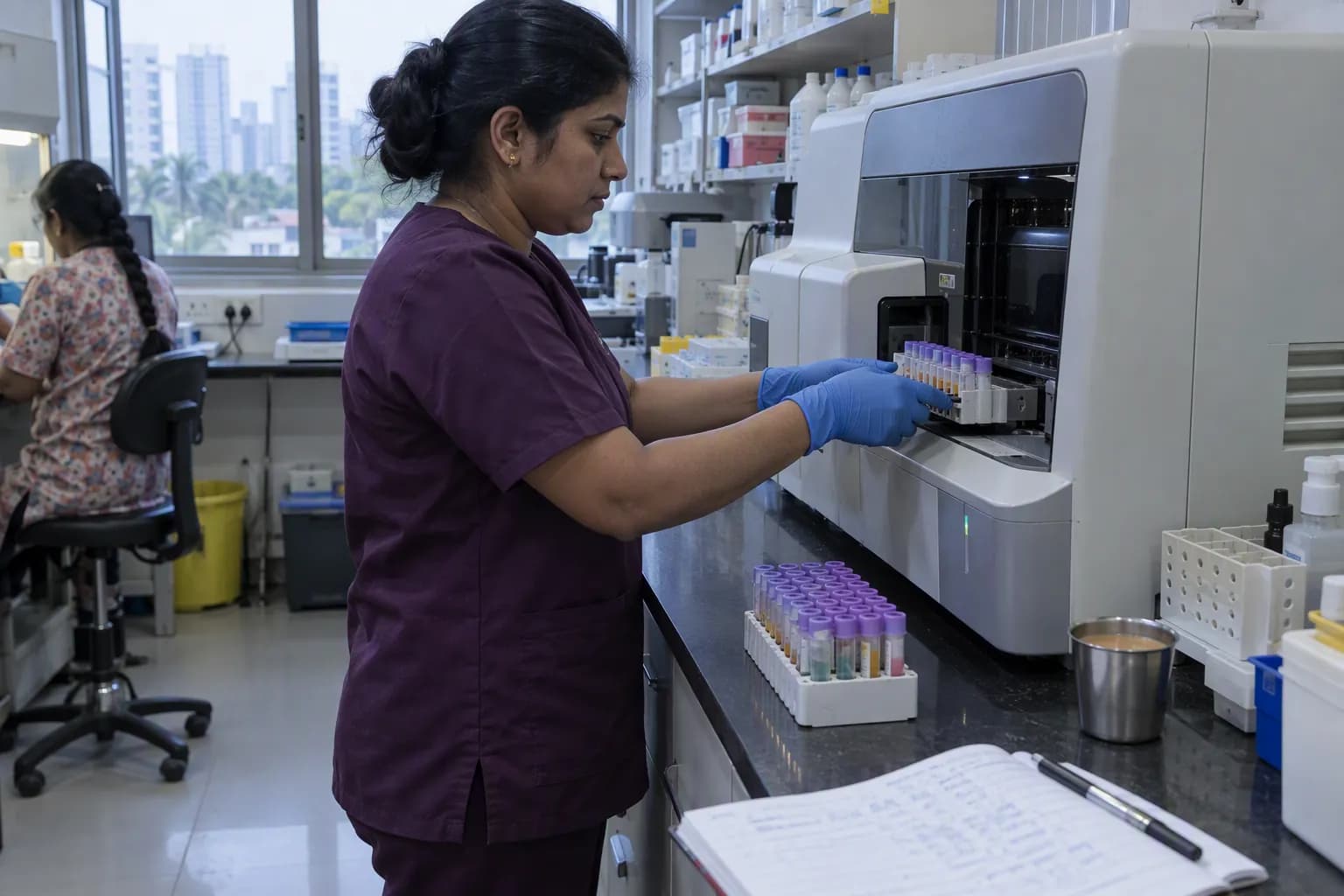
Your report in about two days
A partnered NABL-accredited laboratory runs your panel.
 Around day 3
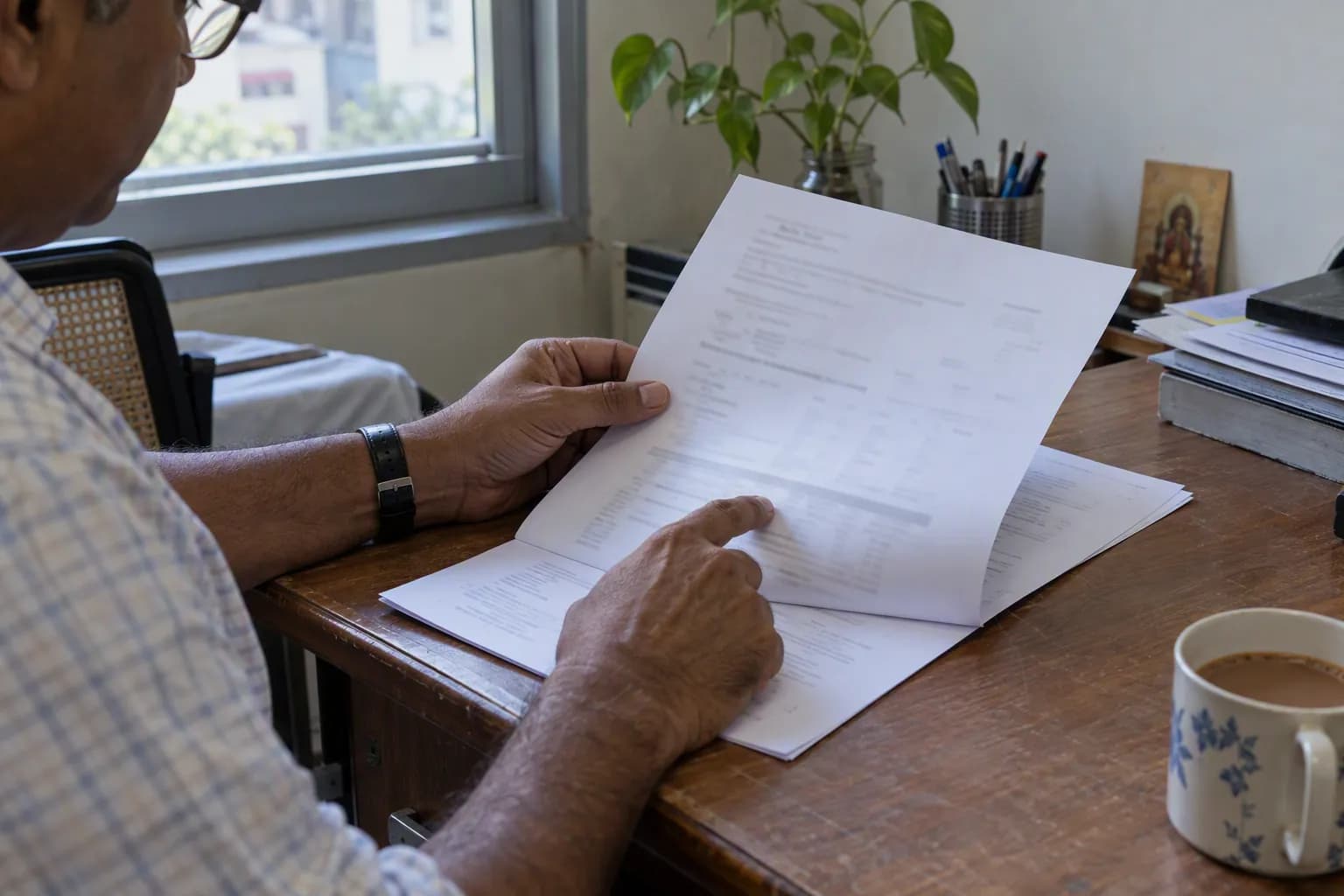
A doctor reads it with you
Around day 3, on video, every result against your history.
 Every week after
Your plan, around your week
Food, movement and sleep, planned from your own report.
Led by doctors. Planned around you.
Every plan starts with one doctor-led health assessment. Your doctor reads your results; your care advisor helps you choose.

Original price
₹3,999, now ₹999Health assessment
45+ markers collected at home, read by a doctor, with your plan around day 3.
Book my health assessment
6 months
Metaboliq Core
Your doctor, nutritionist and two coaches, a blood panel at home each quarter, and two smart scales to keep.
Cost explained on a call before you choose
Start with the assessment
6 months
Metaboliq Premium
A doctor every week, a care manager, continuous glucose monitoring and two smart scales to keep.
Cost explained on a call before you choose
Begins after your assessment, once your doctor says it suits you.
Start with the assessment
Start with the test
Your plan starts with one home blood test
Health assessment, ₹999: a home blood test, a doctor who reads it with you, and your plan.
Takes 2 minutes to book. Results vary; your doctor decides what is right for you.


Questions people ask
How do I know if I have insulin resistance?
Signs include weight around the waist, energy crashes after meals, dark velvety skin on the neck, skin tags and high triglycerides. The clearest answer is a fasting insulin test with HOMA-IR, read by a doctor beside your sugar and lipids.
Can I have insulin resistance with normal blood sugar?
Yes, and it is common. The pancreas makes extra insulin to keep sugar normal, sometimes for years. That is why the panel measures insulin itself and not only sugar.
Can insulin resistance improve with weight loss?
Yes. Losing fat from the waist and liver, building muscle and walking after meals all reduce how much insulin the body needs. Your next panel shows whether fasting insulin and HOMA-IR have come down.
2 more questions
Do I need a gym?
No. Your coach starts with body-weight and band exercises at home, two or three short sessions a week. A gym can come later if you want one.
What does it cost to start?
The health assessment is ₹999: the home blood panel, a registered doctor reading every result with you, a health coach session and your personalised plan.
Takes 2 minutes to book. A doctor makes every decision with you.
Book my health assessment