 metaboliq
Belly fat loss, starting from what your blood says is behind it
Belly fat
Lose up to 20% of your body weight — and keep your muscle.
60,000+ trained and transformed by our team in the last 4 years
Results vary; your doctor decides what is right for you. Takes 2 minutes to book. A doctor makes every decision with you.

Why the waist matters
The fat around the waist is the fat that does the most harm

Fat stored deep in the belly, around the liver and gut, behaves differently from fat under the skin of the hips. It feeds insulin resistance, fatty liver and raised cholesterol. For Indians it does so at a smaller waist than for many other populations.
Read more
There are two kinds of belly fat. The soft fat you can pinch sits under the skin. The fat that matters more sits deeper, around the liver, the gut and the other organs, and is called visceral fat. It releases fatty acids and inflammatory signals straight to the liver, which is why it is so closely tied to insulin resistance, fatty liver, high triglycerides and type 2 diabetes.
Indians tend to carry more of it at the same weight. Researchers have described the thin-fat Indian: a normal body mass index with more fat around the organs and less muscle. That is why the Indian consensus on obesity uses lower waist cut-offs than Western ones, 90 centimetres for men and 80 for women, measured around the middle.
Belly fat also responds to things beyond food. Short sleep, long stress and alcohol each push the body to store fat around the waist. So a plan that only counts calories misses part of the picture, and a plan that only does crunches misses most of it.
Crunches do not burn belly fat. A controlled trial found that six weeks of abdominal exercises strengthened the muscles but did not reduce belly fat compared with doing nothing. Fat comes off the whole body, and the belly, especially the deep fat, is often one of the first places it leaves once the overall plan is right.

What your belly fat is already doing to your blood
What the doctor reads
Belly fat shows up in the blood before it shows up in a diagnosis. Fasting insulin and HOMA-IR, triglycerides and HDL, liver enzymes and HbA1c tell a doctor how much the fat around your waist is already affecting you.
What each test shows
Fasting insulin and HOMA-IR show whether the fat around your organs has started to make insulin work harder. Triglycerides that are high and HDL cholesterol that is low are another classic sign. Together with your waist measurement, they show whether the belly fat is a cosmetic worry or a metabolic one.
Liver enzymes show whether fat has reached the liver, which very often happens alongside belly fat. HbA1c shows whether sugar has started to rise. hs-CRP, where your panel carries it, gives a sense of the low-grade inflammation that deep belly fat produces.
The doctor reads every result with you on video, explains which numbers come from the fat around your waist and which do not, and agrees a waist target with you as well as a weight one, because the tape often tells the truth sooner than the scale.

What the plan changes
A whole-body plan that empties the waist first

The plan reduces refined carbohydrate and sugary drinks, raises protein, adds walking every day and strength work twice a week, and looks hard at sleep, stress and alcohol. The waist is measured every fortnight so you can see it move.
How the plan works, week by week
Food changes in proportion. Your nutritionist reduces the share of refined grains, sweets, fried snacks and sugary drinks, which feed the deep fat most directly, and raises protein and fibre so hunger stays manageable. Indian meals stay Indian: dal, sabzi, curd, eggs or chicken take more of the plate and rice or roti a little less.
Movement works on the whole body. A daily walk, especially after the largest meal, and two strength sessions a week do more for belly fat than any number of crunches, because muscle uses sugar and fat for hours after it is worked.
Sleep, stress and alcohol are part of the plan. Your coach looks at bedtime, late screens and evening drinks, because each of them makes the body hold on to fat around the waist. Small changes here often unlock the scale.
The tape measure is your main gauge. Your coach asks for a waist measurement every two weeks, taken the same way each time, and your doctor reviews it with your weight every month, so you can see the fat that matters most leaving first.
From your door to your plan
Four steps after you book, with a real person at every one.
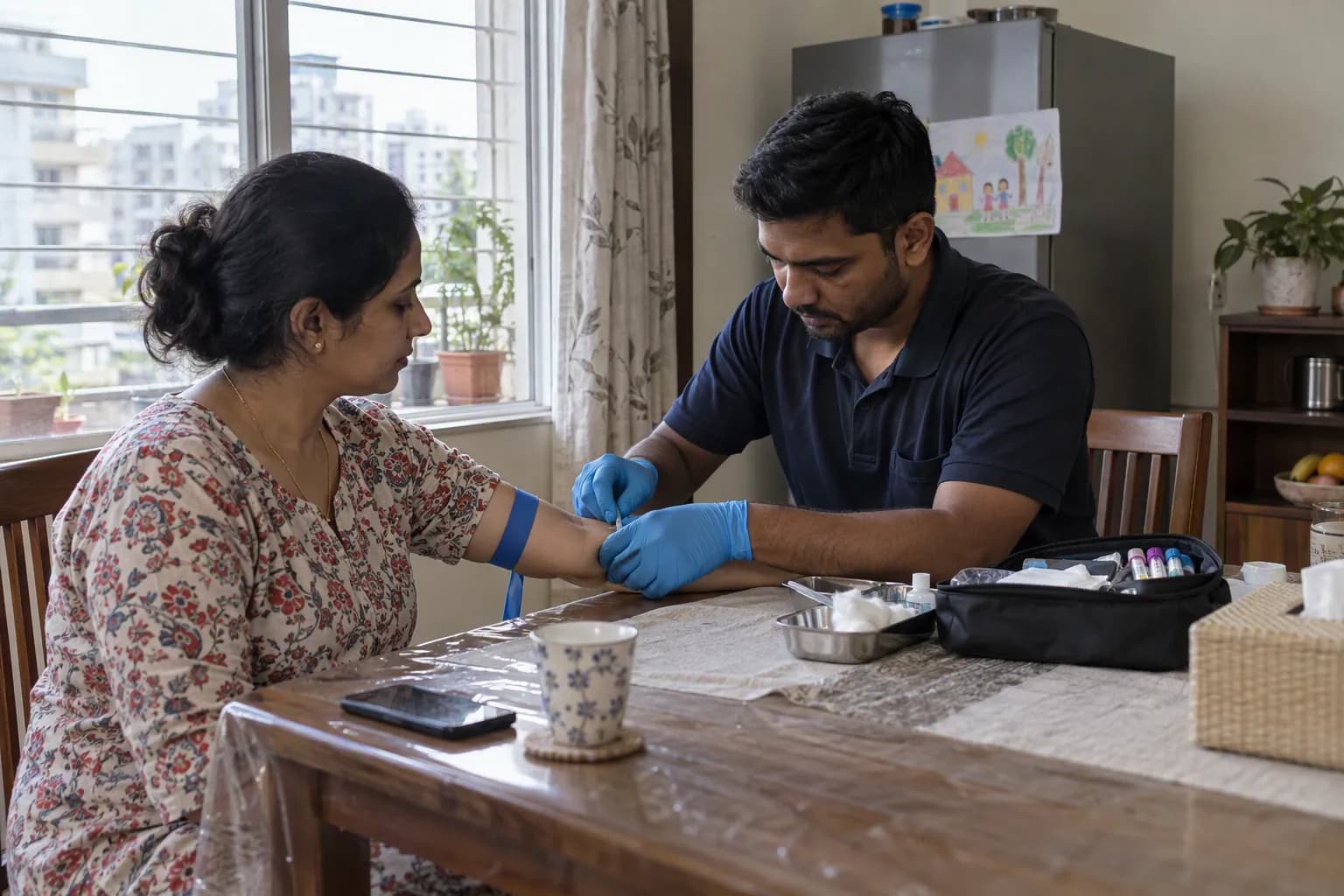 A morning slot
Home collection
One fasting sample at your door, in a morning slot.
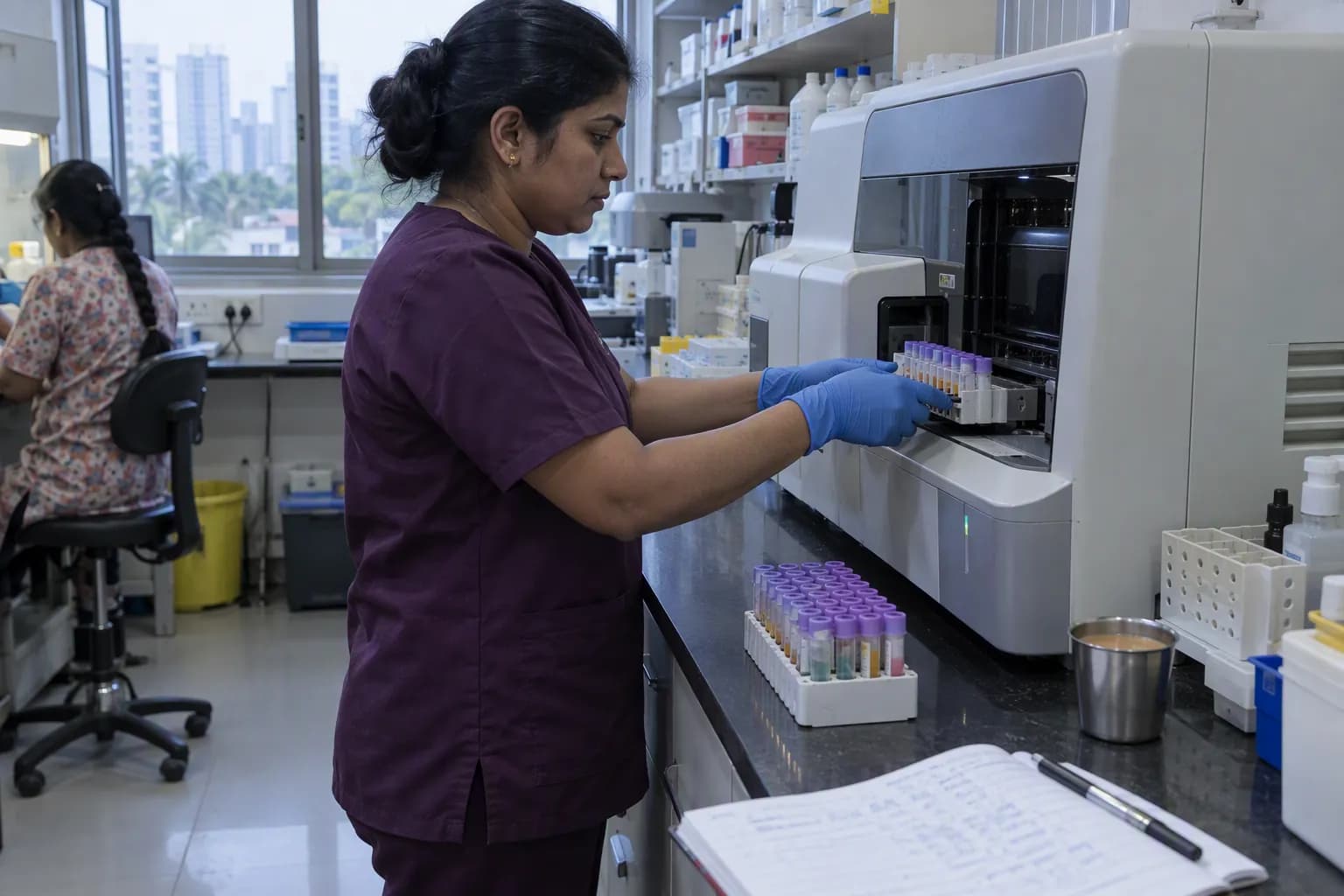 About day 2
Your report in about two days
A partnered NABL-accredited laboratory runs your panel.
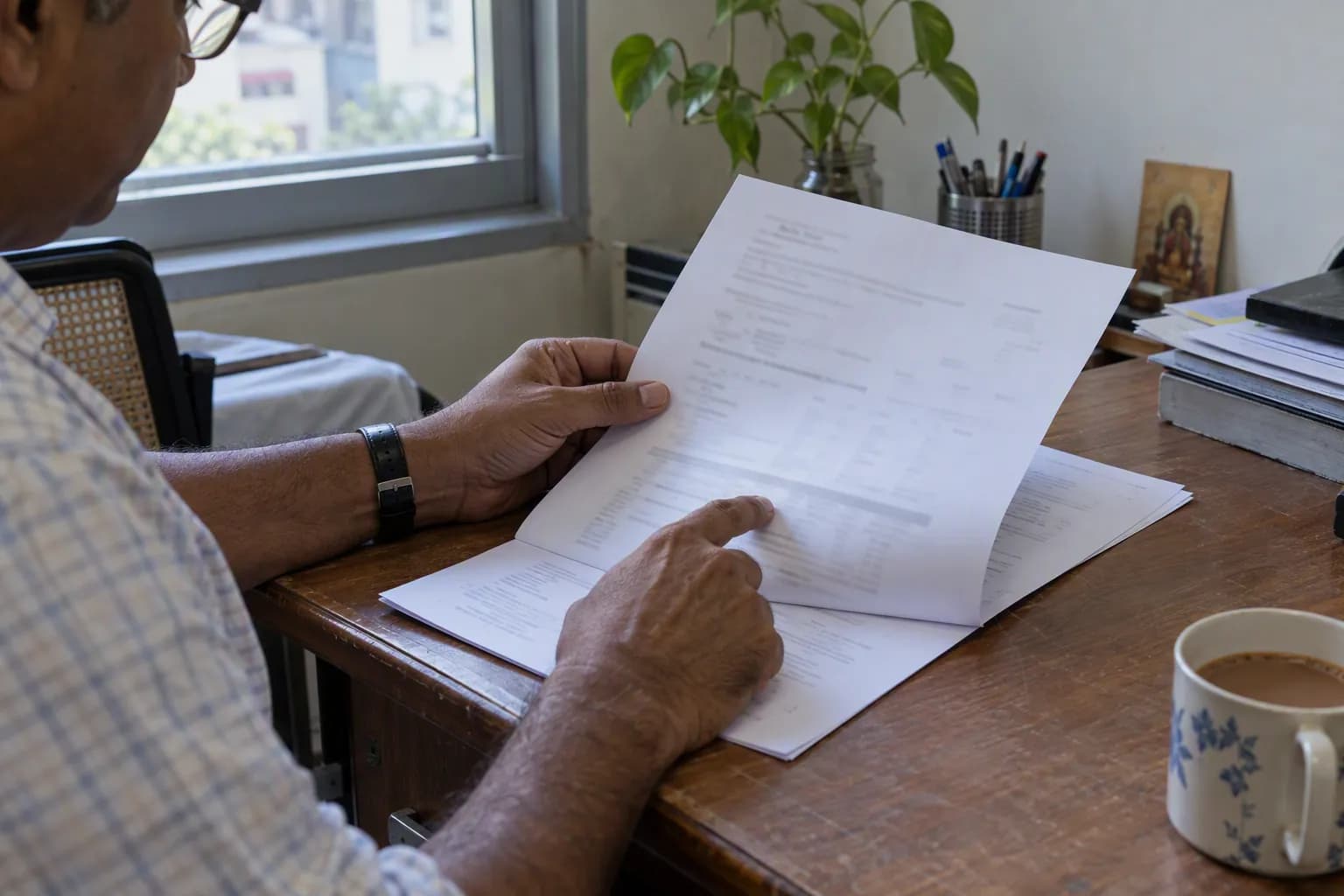 Around day 3
A doctor reads it with you
Around day 3, on video, every result against your history.
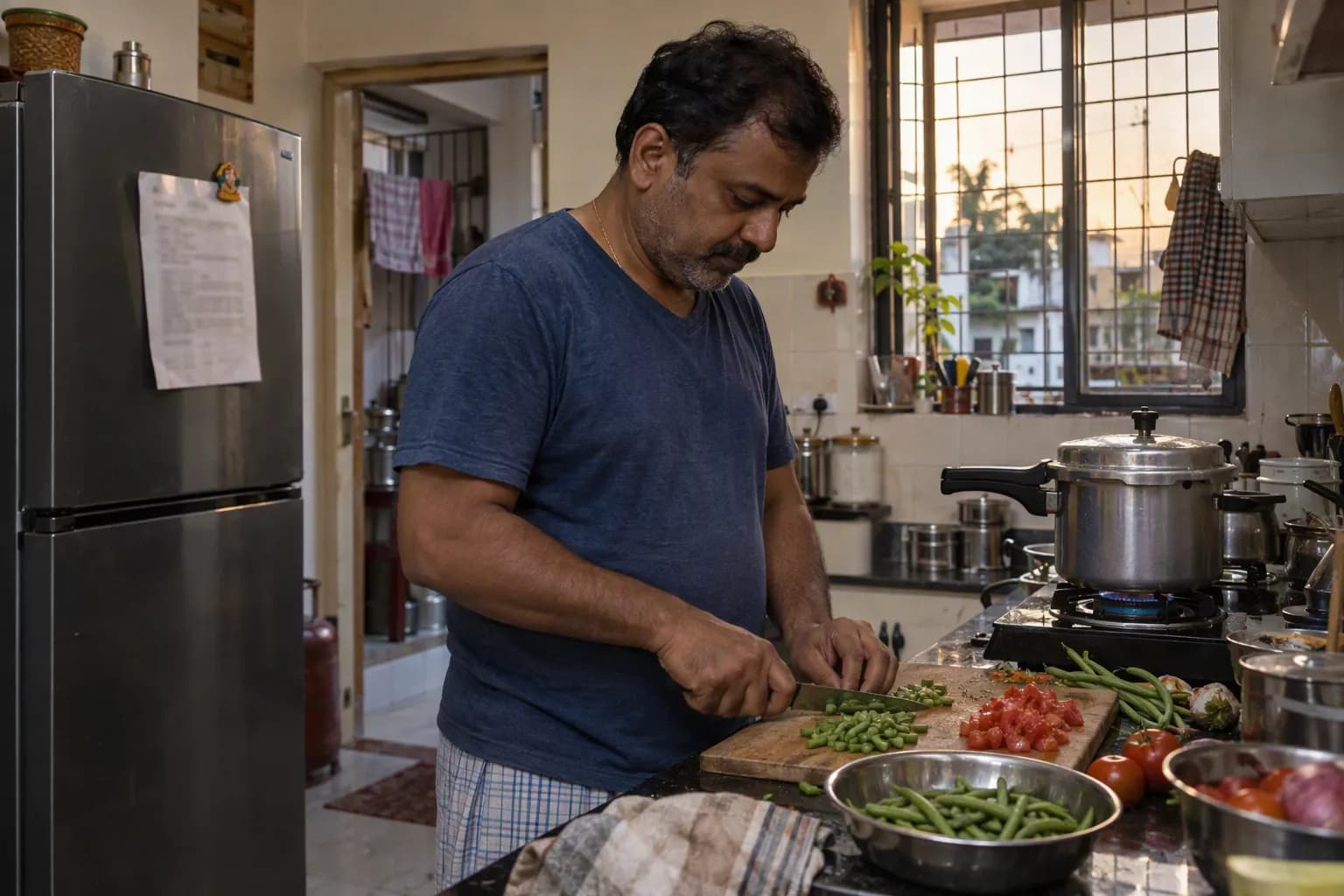 Every week after
Your plan, around your week
Food, movement and sleep, planned from your own report.
Led by doctors. Planned around you.
Every plan starts with one doctor-led health assessment. Your doctor reads your results; your care advisor helps you choose.

Original price
₹3,999, now ₹999Health assessment
45+ markers collected at home, read by a doctor, with your plan around day 3.
Book my health assessment
6 months
Metaboliq Core
Your doctor, nutritionist and two coaches, a blood panel at home each quarter, and two smart scales to keep.
Cost explained on a call before you choose
Start with the assessment
6 months
Metaboliq Premium
A doctor every week, a care manager, continuous glucose monitoring and two smart scales to keep.
Cost explained on a call before you choose
Begins after your assessment, once your doctor says it suits you.
Start with the assessment
Start with the test
Your plan starts with one home blood test
Health assessment, ₹999: a home blood test, a doctor who reads it with you, and your plan.
Takes 2 minutes to book. Results vary; your doctor decides what is right for you.


Questions people ask
Why do I have belly fat when my weight is normal?
Many Indians carry fat around the organs at a normal-looking weight. A waist above 90 centimetres for men or 80 for women is the Indian guide to when that fat starts to matter. The panel shows whether it is already affecting your insulin, lipids or liver.
Will abdominal exercises flatten my stomach?
Not on their own. A controlled trial found six weeks of abdominal exercises did not reduce belly fat. Fat comes off the whole body; walking, strength work, food and sleep together are what move the waist.
How do I measure my waist properly?
Stand relaxed, breathe out gently and measure around the middle, roughly level with the navel, without pulling the tape tight. Measure the same way each time. Your coach shows you how on the first call.
2 more questions
Is belly fat linked to diabetes and fatty liver?
Yes. The deep fat around the organs is closely linked to insulin resistance, fatty liver and type 2 diabetes. That is why the panel looks at insulin, sugar and liver markers before the plan is set.
What does it cost to start?
The health assessment is ₹999: the home blood panel, a registered doctor reading every result with you, a health coach session and your personalised plan.
The research this page leans on
3 published sources
- Misra A et al., consensus statement for diagnosis of obesity, abdominal obesity and the metabolic syndrome for Asian Indians, Journal of the Association of Physicians of India, 2009
- Vispute SS et al., the effect of abdominal exercise on abdominal fat, Journal of Strength and Conditioning Research, 2011
- Yajnik CS, Yudkin JS, the Y-Y paradox, The Lancet, 2004
Takes 2 minutes to book. A doctor makes every decision with you.
Book my health assessment