 metaboliq
Weight loss for fatty liver, steady and doctor-read
Fatty liver and weight
Lose up to 20% of your body weight — and keep your muscle.
60,000+ trained and transformed by our team in the last 4 years
Results vary; your doctor decides what is right for you. Takes 2 minutes to book. A doctor makes every decision with you.

Why weight is the treatment
Fat in the liver is one of the few conditions weight loss directly undoes

Fatty liver means fat has built up inside liver cells. It is very common in India, usually silent, and closely tied to insulin resistance. Research has found that steady weight loss reduces liver fat, and larger losses can calm inflammation and even early scarring.
Read more
Fatty liver is now called MASLD, metabolic dysfunction-associated steatotic liver disease, a name chosen in 2023 to make clear what drives it: insulin resistance, extra weight around the waist, high triglycerides and raised sugar. A review of Indian studies published in 2022 estimated that close to four adults in ten have it. Most find out from an ultrasound or a slightly raised ALT on a routine report.
It matters because a fatty liver is not a passive store. Fat in the liver makes the liver itself resist insulin, which raises sugar and triglycerides and makes weight harder to lose. Over years, in some people, the fat brings inflammation and then scarring. The same fat is also linked to heart disease, which is the commonest serious outcome for people with fatty liver.
The clearest evidence comes from a study in Cuba that followed people with inflamed fatty liver for a year of lifestyle change. Those who lost at least five percent of their weight saw liver fat fall; at seven percent or more, inflammation resolved in most; and at ten percent or more, early scarring improved in many. The European liver, diabetes and obesity societies now recommend a loss of seven to ten percent for people with excess weight.
Pace matters as well as size. The same guidance favours a gradual loss over a crash, because very rapid weight loss can unsettle the liver and is rarely kept off. A plan that moves steadily, month after month, is the one that actually changes the next ultrasound.

The numbers that show how the liver is coping, and what is driving it
What the doctor reads
Liver function tests show whether the liver is under strain. HbA1c, fasting insulin and lipids show whether insulin resistance is feeding it. The doctor reads them with your waist and history and agrees a pace with you.
What each test shows
ALT, AST and GGT are the liver enzymes on a liver function test. ALT that is mildly raised is the commonest clue to fatty liver, though a normal ALT does not rule it out. Your doctor reads the pattern, not one value, and asks about alcohol, recent illness and anything else that can move the numbers.
Your age, AST, ALT and platelet count, from the complete blood count, can be combined into a simple score called FIB-4, which doctors use to judge whether scarring is unlikely or worth a closer look. If your numbers suggest the second, your doctor tells you which further test to ask for and why.
HbA1c, fasting insulin and a lipid profile show how much insulin resistance is driving the liver fat. High triglycerides and low HDL often travel with it. Reading all of these together tells the doctor where the plan should press first: food, alcohol, muscle or all three.

What the plan changes
Less of what the liver stores, more of what burns it, at a steady pace

The plan cuts the foods the liver turns most readily into fat: sugary drinks, sweets, refined snacks and alcohol. It adds protein, fibre and daily movement, and aims for a steady loss your doctor checks every month.
How the plan works, week by week
Sugar in drinks is the first target. Fructose from sugary drinks, packaged juices and sweets goes straight to the liver, which turns much of it into fat. Your nutritionist replaces them with water, buttermilk, lemon water without sugar or plain tea, and plans for the moments, such as the evening snack, when they usually return.
Alcohol is discussed openly. Even modest drinking adds to the load on a fatty liver, and the European guidance advises keeping it low and, where there is scarring, stopping. Your doctor tells you plainly what your own numbers suggest.
Meals are rebuilt around dal, vegetables, curd, paneer, eggs or fish, with grains in a smaller share and fewer fried snacks. Plain coffee, if you already drink it, can stay; the European guidance notes it is not harmful to the liver and may help. The coach adds daily walking and two strength sessions a week, since exercise lowers liver fat even before the scale moves much.
The pace is steady by design. Your doctor reviews your weight and waist every month and repeats the liver markers at sensible intervals, so you can see the enzymes settle rather than take it on trust.
From your door to your plan
Four steps after you book, with a real person at every one.
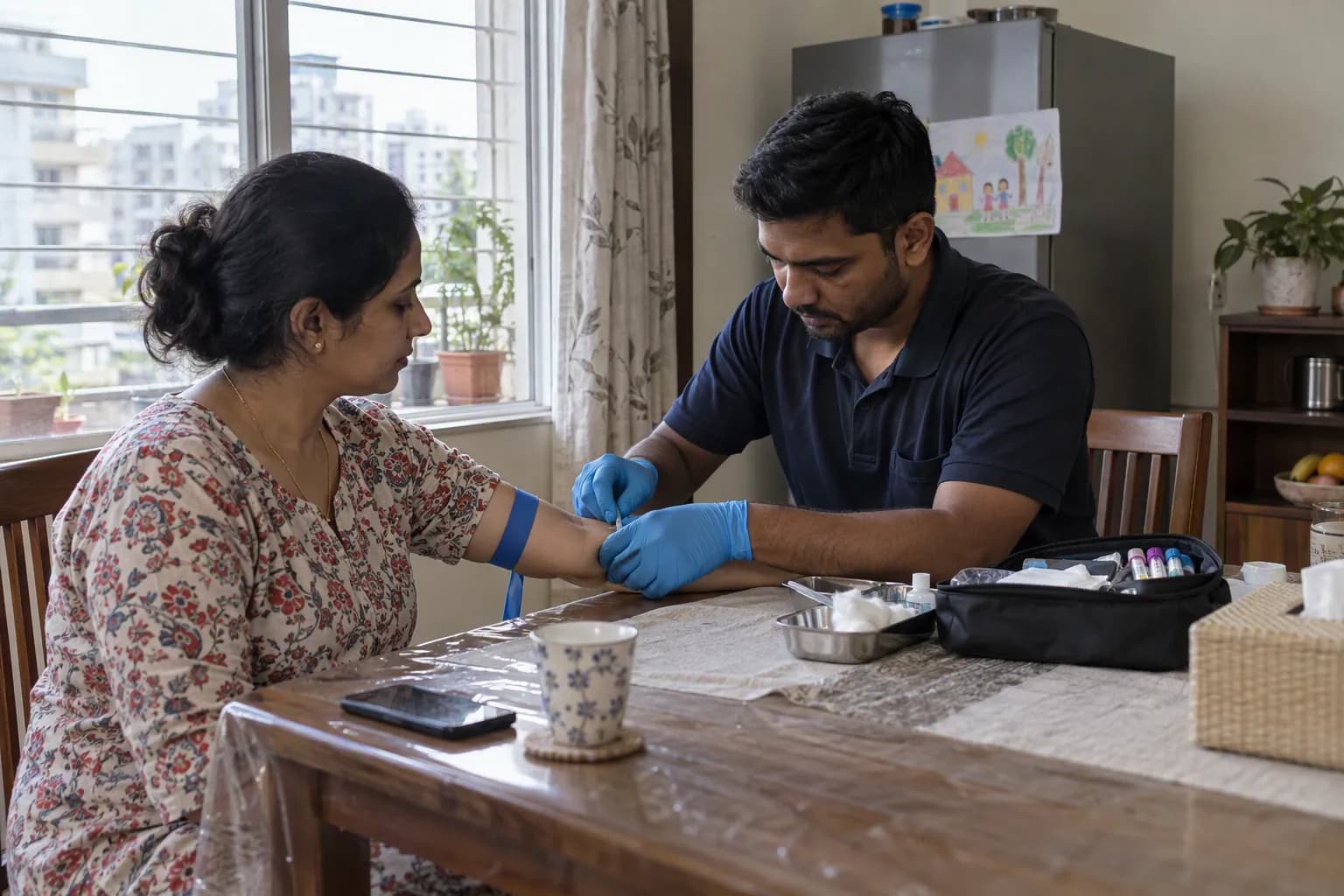 A morning slot
Home collection
One fasting sample at your door, in a morning slot.
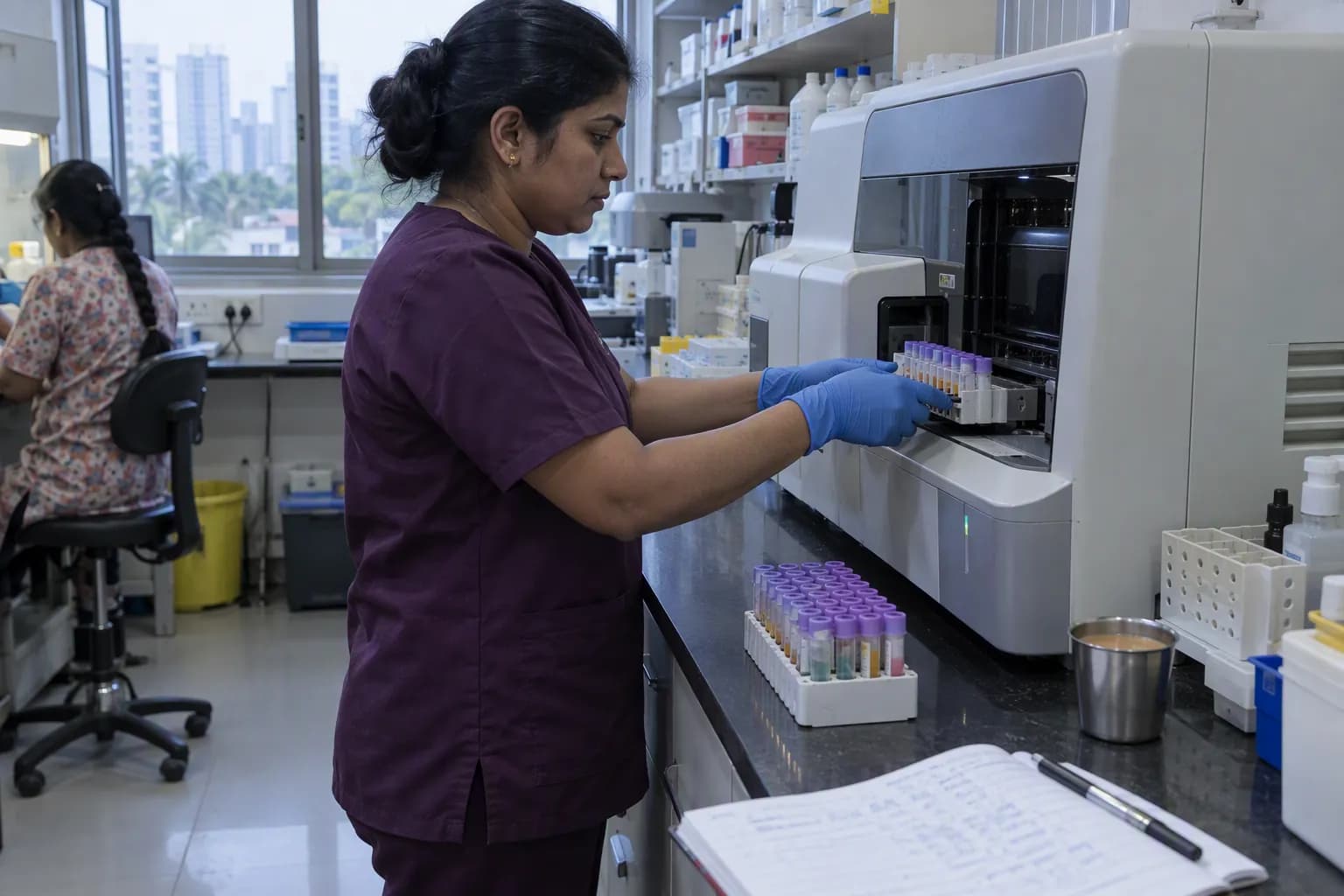 About day 2
Your report in about two days
A partnered NABL-accredited laboratory runs your panel.
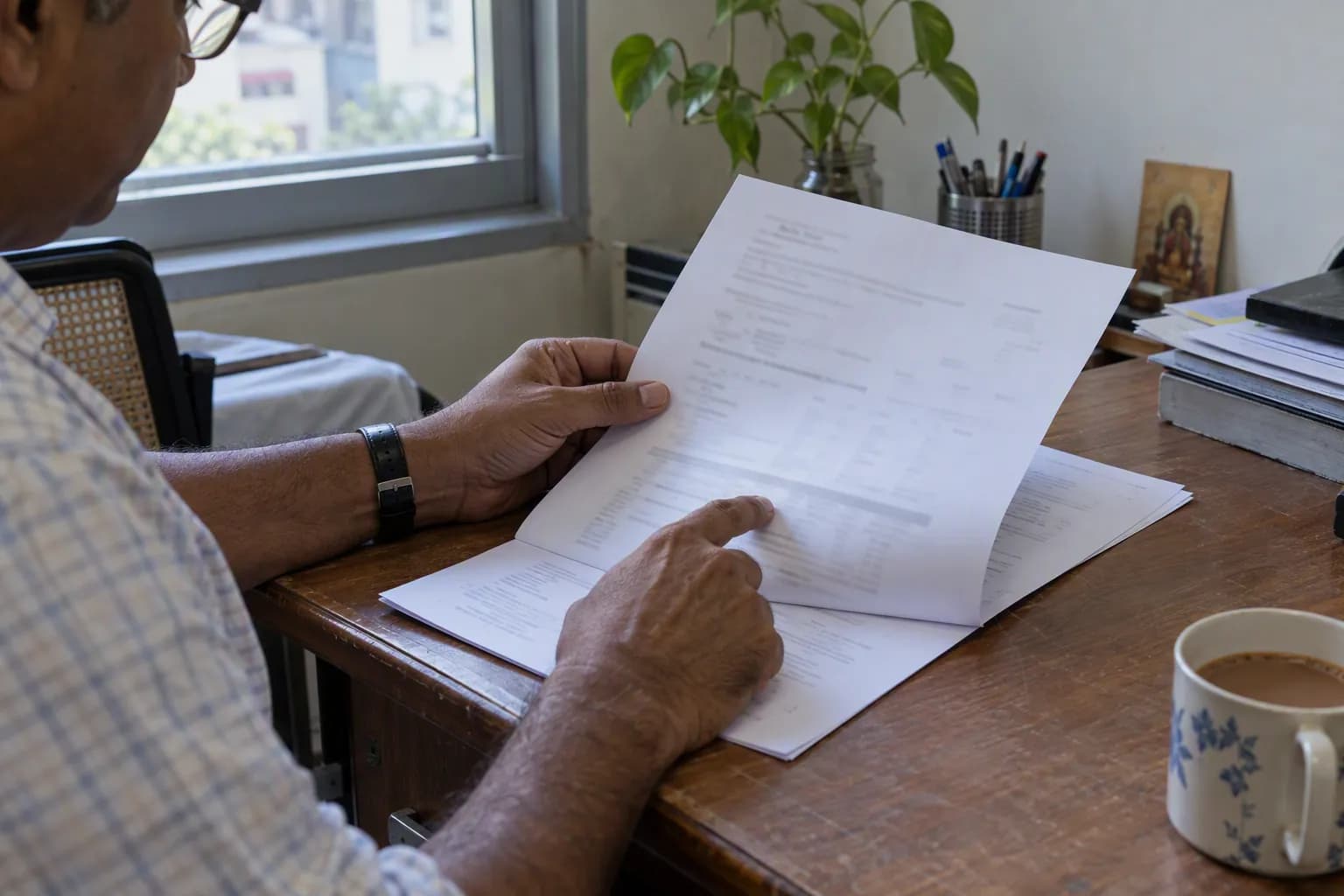 Around day 3
A doctor reads it with you
Around day 3, on video, every result against your history.
 Every week after
Your plan, around your week
Food, movement and sleep, planned from your own report.
Led by doctors. Planned around you.
Every plan starts with one doctor-led health assessment. Your doctor reads your results; your care advisor helps you choose.

Original price
₹3,999, now ₹999Health assessment
45+ markers collected at home, read by a doctor, with your plan around day 3.
Book my health assessment
6 months
Metaboliq Core
Your doctor, nutritionist and two coaches, a blood panel at home each quarter, and two smart scales to keep.
Cost explained on a call before you choose
Start with the assessment
6 months
Metaboliq Premium
A doctor every week, a care manager, continuous glucose monitoring and two smart scales to keep.
Cost explained on a call before you choose
Begins after your assessment, once your doctor says it suits you.
Start with the assessment
Start with the test
Your plan starts with one home blood test
Health assessment, ₹999: a home blood test, a doctor who reads it with you, and your plan.
Takes 2 minutes to book. Results vary; your doctor decides what is right for you.


Questions people ask
Can fatty liver go away with weight loss?
In many people, liver fat falls with steady weight loss. Research found liver fat fell with a loss of about five percent of body weight, inflammation settled in most people at seven percent, and early scarring improved in many at ten percent. Your doctor tells you what your own results suggest.
How fast should I lose weight with fatty liver?
Steadily rather than fast. Guidance favours a gradual loss, because crash diets can unsettle the liver and are rarely kept off. Your doctor agrees a pace with you and checks it every month.
My ALT is normal but the ultrasound says fatty liver. Does that matter?
Yes. A normal ALT does not rule fatty liver out. Your doctor reads your liver enzymes beside your sugar, insulin and lipids, and works out a FIB-4 score from your numbers to judge whether anything further is needed.
2 more questions
Do I need to stop drinking alcohol completely?
It depends on your liver. Keeping alcohol low helps every fatty liver, and where there are signs of scarring, stopping is advised. Your doctor tells you plainly what your own numbers suggest.
What does the assessment include?
The health assessment is ₹999: a home blood panel chosen from your answers, a registered doctor reading every result with you on video, a health coach session and your personalised plan.
The research this page leans on
3 published sources
- Vilar-Gomez E et al., weight loss through lifestyle modification and liver histology, Gastroenterology, 2015
- EASL, EASD and EASO, clinical practice guidelines on MASLD, Journal of Hepatology, 2024
- Shalimar et al., prevalence of fatty liver disease in India, a systematic review and meta-analysis, Journal of Clinical and Experimental Hepatology, 2022
Takes 2 minutes to book. A doctor makes every decision with you.
Book my health assessment