 metaboliq
Weight loss with PCOS, planned from your own blood
PCOS and weight
Lose up to 20% of your body weight — and keep your muscle.
60,000+ trained and transformed by our team in the last 4 years
Results vary; your doctor decides what is right for you. Takes 2 minutes to book. A doctor makes every decision with you.

Why it feels harder
With PCOS, the weight is often driven by insulin, not willpower

Many women with PCOS make more insulin than they should to keep blood sugar normal. That extra insulin pushes the ovaries to make more androgens and makes fat easier to store around the middle. A plan that ignores it fights the wrong battle.
Read more
Polycystic ovary syndrome affects roughly one woman in ten of reproductive age, and the international guideline on PCOS, updated in 2023, describes insulin resistance as common in it whatever a woman weighs. That is why two women with the same diet can see very different results, and why a calorie count on its own so often disappoints.
The pattern tends to be the same: cravings that arrive mid-afternoon, energy that dips after a heavy lunch, weight that settles on the waist first, and cycles that wander. Each of those can come from the same place. When insulin runs high, the body holds on to stored fat more readily and the ovaries respond with more testosterone, which in turn can make cycles less regular.
The good news in the same guideline is that the change needed is smaller than most women expect. In women who carry extra weight, it describes a loss of five to ten percent of body weight as enough to bring real improvement in cycles, insulin and cholesterol. That is the first target a doctor usually sets, long before anything dramatic.
PCOS also travels with low mood, poor sleep and a complicated relationship with food more often than people admit, and the guideline asks clinicians to look for those too. A programme that only hands over a diet chart misses half of it. Here, the doctor, the nutritionist and the health coach work from one shared picture of you.

The markers that explain PCOS weight, read side by side
What the doctor reads
One fasting sample, collected at home, can show how hard your insulin is working, how your sugar is holding, and whether your thyroid or cholesterol is adding to the picture. A doctor reads those numbers together, against your cycles and your history.
What each test shows
Fasting insulin and HOMA-IR, the insulin resistance index worked out from fasting insulin and fasting sugar, show how much effort your body spends keeping sugar normal. HbA1c and fasting blood sugar show whether that effort is still enough. Read together, they tell a doctor whether the plan should lean hardest on food quality, on muscle, or on both.
A thyroid test matters because an underactive thyroid also unsettles cycles and slows weight, and the guideline asks for thyroid disease to be ruled out before PCOS is blamed for everything. A lipid profile and liver markers show whether insulin has started to affect cholesterol and the liver.
Which of these your panel carries depends on what you tell us in the check before you book. The doctor then reads every result on a video call, explains which numbers drive what you feel and which can be ignored, and agrees the first target with you. Nothing is decided before that conversation.

What the plan changes
Food, muscle and sleep, in the order your results suggest

The guideline backs no single PCOS diet over another, so the plan is built on what your blood shows and what your family already eats. Protein moves to breakfast, liquid sugar goes, and two short strength sessions a week start working on insulin.
How the plan works, week by week
Breakfast is the first thing to change for most women with PCOS. A breakfast built on protein, such as besan chilla, eggs, curd with seeds or sprouts, keeps sugar steadier through the morning than poha, toast or biscuits with tea, and it takes the edge off the afternoon craving that so often undoes the day.
Rice and roti stay. Your nutritionist adjusts how much, what sits beside them, and when, so that dal, sabzi and a protein share the plate first. Sugary drinks, packaged juices and the second cup of sweet tea are usually the quickest wins, because liquid sugar arrives in the blood fastest and asks for the most insulin.
Muscle is the largest place the body stores sugar, so building a little of it is one of the most direct ways to make insulin work better. Your coach starts with two short strength sessions a week at home, with bands or body weight, and a walk after the largest meal. Nothing needs a gym on day one.
Sleep and stress are planned, not just mentioned. Poor sleep raises hunger hormones and makes insulin less effective the next day, so the coach looks at your bedtime and screen time as seriously as your lunch. Your doctor reviews progress every month and decides with you whether any part of the plan should change.
From your door to your plan
Four steps after you book, with a real person at every one.
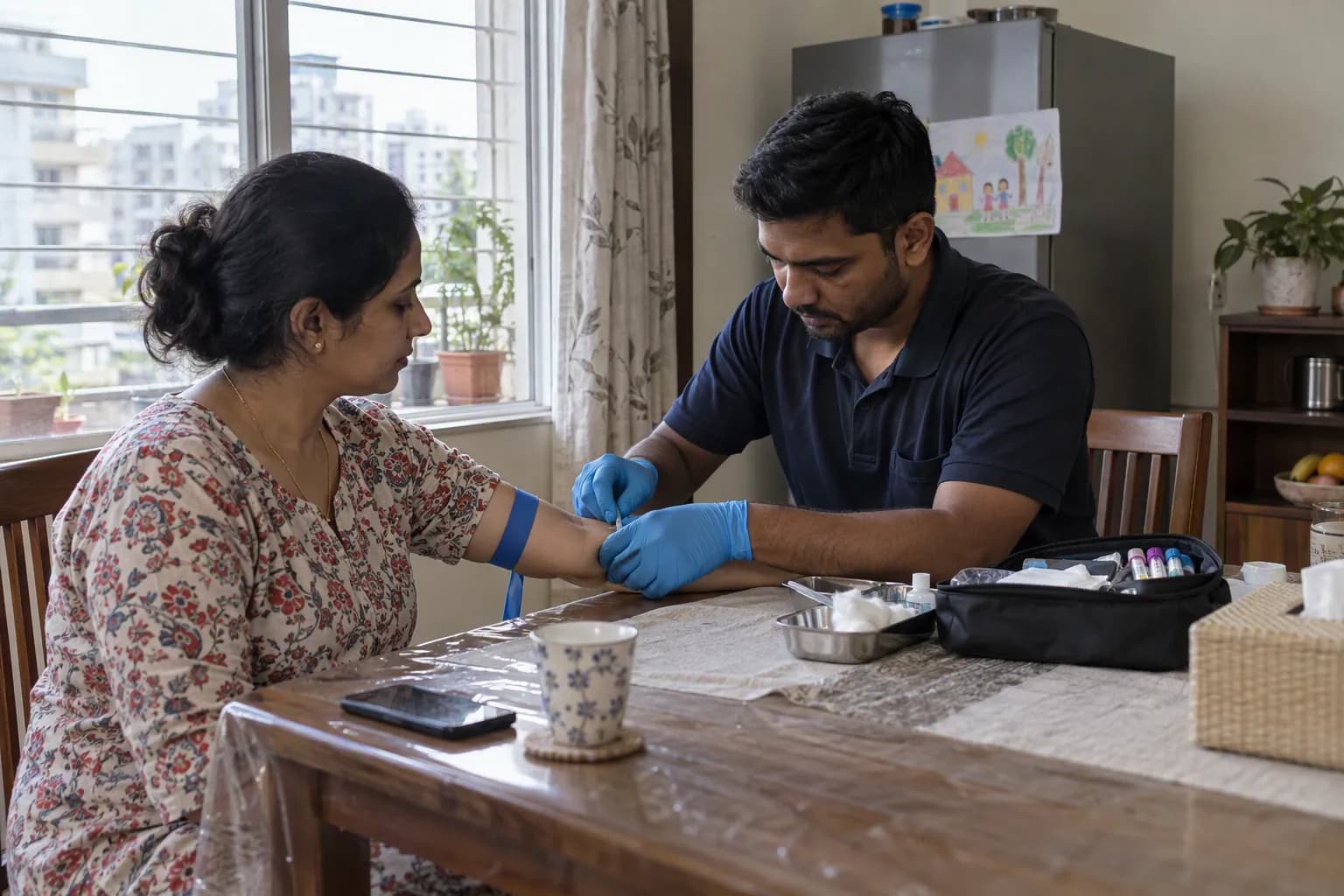 A morning slot
Home collection
One fasting sample at your door, in a morning slot.
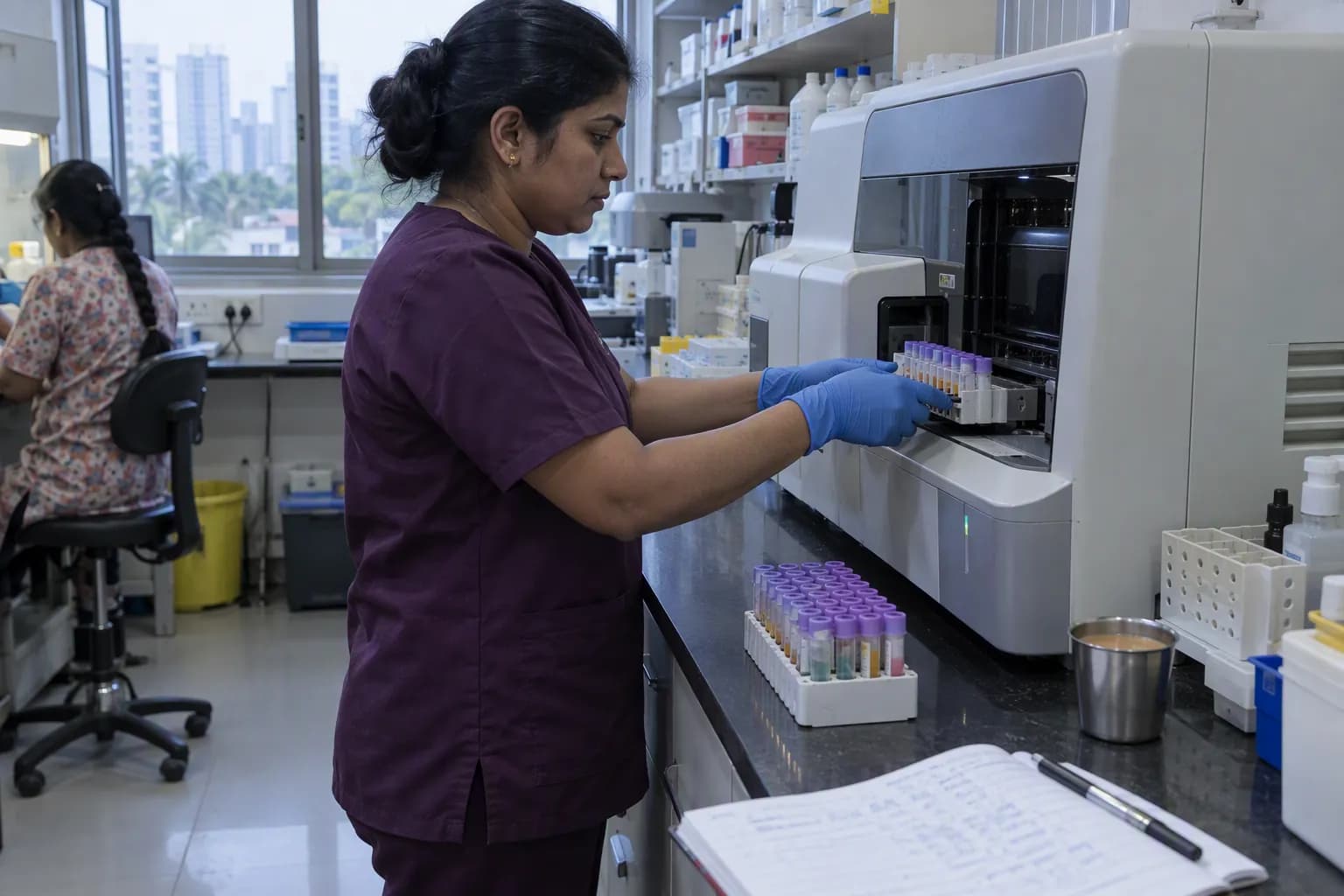 About day 2
Your report in about two days
A partnered NABL-accredited laboratory runs your panel.
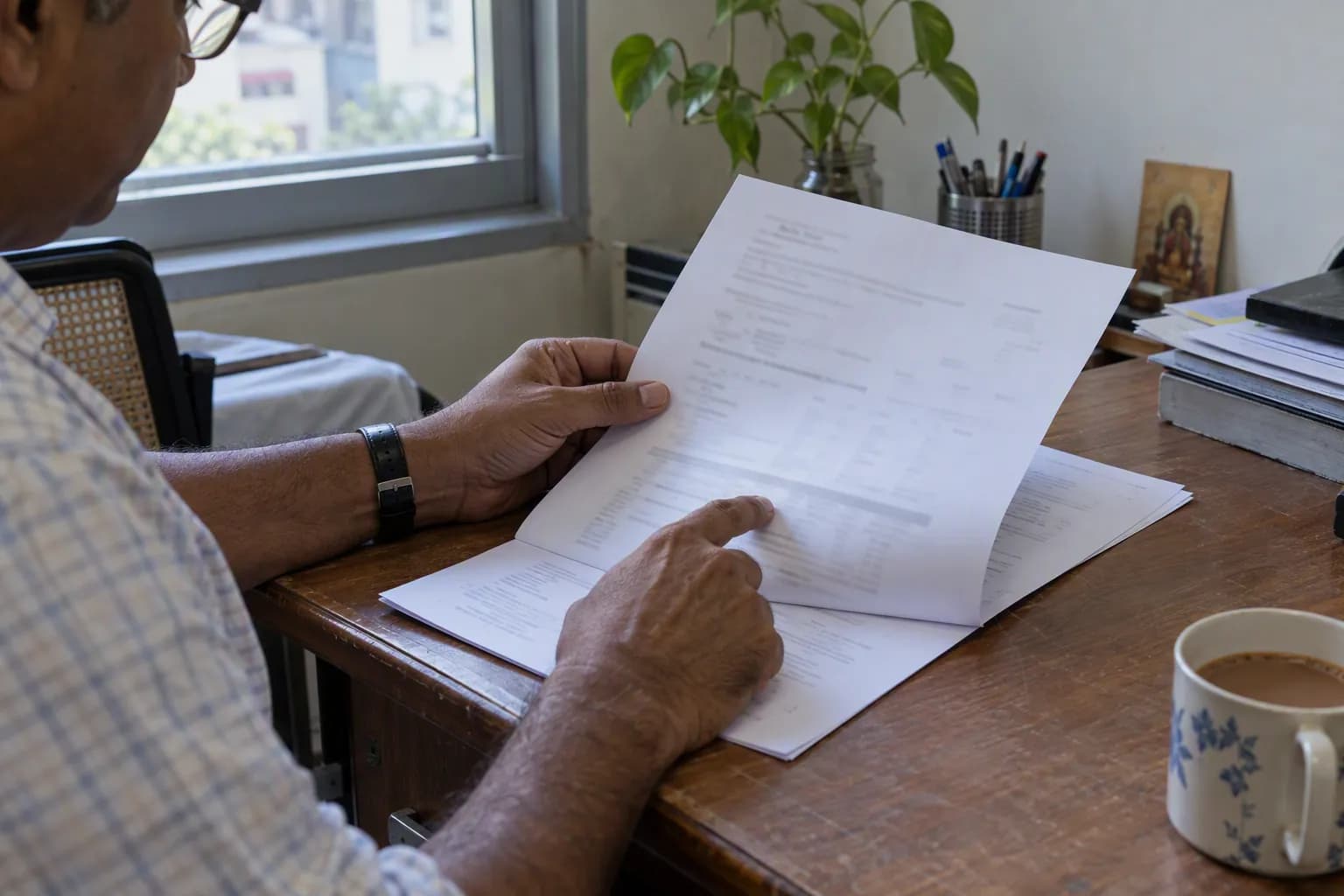 Around day 3
A doctor reads it with you
Around day 3, on video, every result against your history.
 Every week after
Your plan, around your week
Food, movement and sleep, planned from your own report.
Led by doctors. Planned around you.
Every plan starts with one doctor-led health assessment. Your doctor reads your results; your care advisor helps you choose.

Original price
₹3,999, now ₹999Health assessment
45+ markers collected at home, read by a doctor, with your plan around day 3.
Book my health assessment
6 months
Metaboliq Core
Your doctor, nutritionist and two coaches, a blood panel at home each quarter, and two smart scales to keep.
Cost explained on a call before you choose
Start with the assessment
6 months
Metaboliq Premium
A doctor every week, a care manager, continuous glucose monitoring and two smart scales to keep.
Cost explained on a call before you choose
Begins after your assessment, once your doctor says it suits you.
Start with the assessment
Start with the test
Your plan starts with one home blood test
Health assessment, ₹999: a home blood test, a doctor who reads it with you, and your plan.
Takes 2 minutes to book. Results vary; your doctor decides what is right for you.


Questions people ask
Is it really harder to lose weight with PCOS?
It can be, because insulin resistance makes stored fat easier to keep and hunger harder to manage. It is not impossible. The international PCOS guideline describes a loss of five to ten percent of body weight as enough to bring real improvement, and a plan built on your own insulin numbers aims at that first.
Should I see a gynaecologist or an endocrinologist for PCOS weight loss?
Both have a place. A gynaecologist looks after your cycles and fertility. Weight and insulin are metabolic questions, which is what a doctor on this programme reads your panel for. If your results point to something a gynaecologist should see, your doctor tells you so.
I have lean PCOS. Is this programme for me?
Lean PCOS is real and insulin resistance can be present at a normal weight. The panel still shows how your insulin and sugar are behaving, and the plan can aim at body composition, energy and cycles rather than the number on the scale. Your doctor decides with you what the right goal is.
2 more questions
Will I have to give up rice and roti?
No. Your nutritionist adjusts portions, what is served beside them and the order you eat in, so that protein and vegetables come first. Most women find that change easier to keep than cutting out the food their family cooks.
What does it cost to start?
The health assessment is ₹999. It covers the home blood panel, a registered doctor's reading of it with you, a session with a health coach and your personalised plan. The price is read from the live price list, so it is what checkout shows.
The research this page leans on
Takes 2 minutes to book. A doctor makes every decision with you.
Book my health assessment