 metaboliq
Weight loss for high blood pressure, planned around your readings
Blood pressure and weight
Lose up to 20% of your body weight — and keep your muscle.
60,000+ trained and transformed by our team in the last 4 years
Results vary; your doctor decides what is right for you. Takes 2 minutes to book. A doctor makes every decision with you.

Why weight moves the reading
Extra weight pushes blood pressure up, and steady weight loss brings it down

Obesity and high blood pressure travel together: extra weight, especially around the waist, makes the heart pump against more resistance and the kidneys hold on to salt. Trials have found that blood pressure falls as weight comes off, roughly in step with it.
Read more
High blood pressure, or hypertension, is very common in India and usually has no symptoms. The ICMR-INDIAB study, published in 2023, found it in a little over one adult in three, and abdominal obesity in close to four in ten. Many people learn about it from a reading taken at a pharmacy counter or a routine check-up, years after it began.
Weight raises blood pressure in several ways at once. More body mass needs more blood flow. Fat around the organs drives insulin resistance, and high insulin makes the kidneys keep sodium and water. It also stirs up the nervous system that tightens blood vessels. Sleep apnoea, which is far more common with extra weight, adds sharp rises in pressure through the night.
The link runs the other way too. A meta-analysis of twenty-five randomised trials, published in Hypertension in 2003, found that an average weight loss of about five kilograms lowered systolic pressure by about four and a half points and diastolic pressure by about three and a half, and that larger losses brought larger falls. That is why every major guideline puts weight first among the lifestyle changes for raised blood pressure.
Weight is not the only lever. The 2023 European hypertension guideline also lists less salt, more potassium from food, regular exercise, less alcohol and not smoking. Each lowers pressure a little on its own, and together they add up. A plan that combines them, steadily, is the one that changes the numbers on your cuff.

Your own readings, and the blood tests that show what pressure is doing inside
What the doctor reads
Blood pressure itself is best measured at home, on an upper-arm cuff, over several days. The blood panel shows the rest: kidney function and the blood salts, sugar and insulin, and cholesterol. A doctor reads the two together before the plan is set.
What each test shows
Bring a week of home readings to the video call: two in the morning and two in the evening, seated, after five minutes of rest, with the cuff on the bare upper arm at heart height. Home readings avoid the rise many people have in a doctor's room, and the European guideline uses an average of 135 over 85 or higher at home as the mark of raised pressure.
The kidney function test matters most. Creatinine and the eGFR worked out from it show how well the kidneys are filtering, and sodium and potassium show the balance the kidneys are keeping. High blood pressure strains the kidneys over years, and the kidneys in turn set how much salt and potassium suit you, so the plan is written for the kidneys you actually have.
HbA1c, fasting insulin and HOMA-IR show whether insulin resistance is part of the picture, which it very often is when pressure rises with weight. A lipid profile shows the cholesterol pattern that, together with blood pressure, sets your heart risk. If you already take treatment for blood pressure, bring the list; your doctor reads the new results against it.

What the plan changes
Less salt, more vegetables and a daily walk, with your cuff as the gauge
The plan cuts the hidden salt in pickles, papad, namkeen, packaged food and restaurant meals, adds potassium from vegetables, fruit, dal and curd, and builds in daily walking. Weight comes off steadily while your home readings show whether pressure is following.
How the plan works, week by week
Salt is the first target, and most of it is not from the salt shaker. Pickles, papad, chutney powders, namkeen, instant noodles, bread, sauces and restaurant food carry most of it. The World Health Organization advises adults to keep to under five grams of salt a day, about one level teaspoon in total. Your nutritionist finds where yours comes from and replaces it with lemon, herbs, roasted jeera and spices.
Potassium is the quiet partner. The DASH trial found that a diet rich in vegetables, fruit, pulses and low-fat dairy lowered blood pressure, and that cutting salt on top of it lowered it further. Indian food suits this well: sabzi, dal, rajma, curd, banana, coconut water and leafy greens are all on the plate. Your doctor checks your kidney results first, because a few people need to limit potassium instead.
Movement is daily and moderate. Brisk walking for thirty minutes on most days, plus two short strength sessions a week, lowers blood pressure in its own right as well as helping weight come off. Your coach starts from what you do now and raises it in small steps, with a gentler start if you have not exercised for a while.
Your readings are the gauge. You keep measuring at home, a few days each week, and your doctor reviews the trend with your weight every month. If you take treatment for blood pressure and your readings fall, that review goes to the doctor who manages it, and any change to your treatment is their decision, never the plan's.
From your door to your plan
Four steps after you book, with a real person at every one.
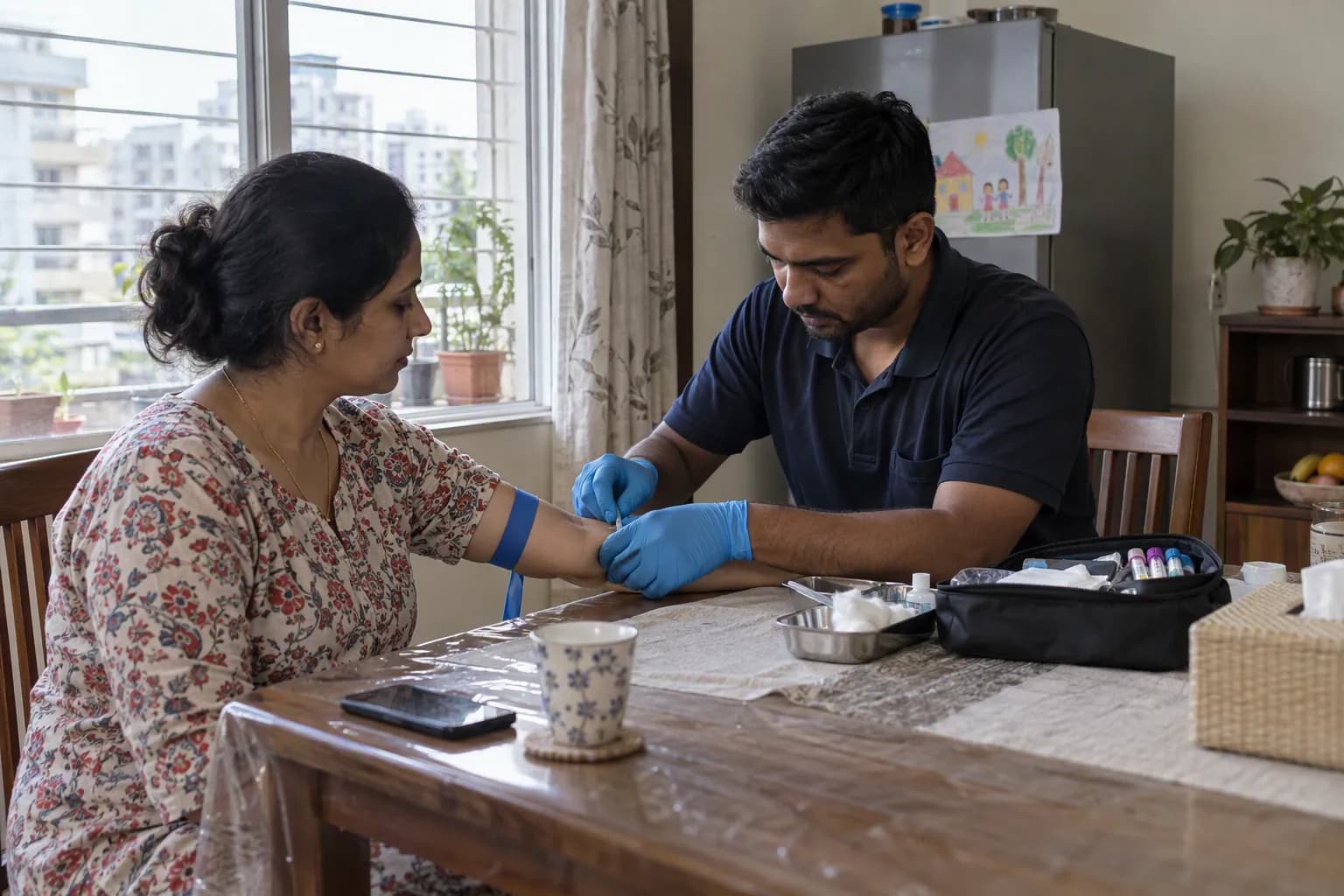 A morning slot
Home collection
One fasting sample at your door, in a morning slot.
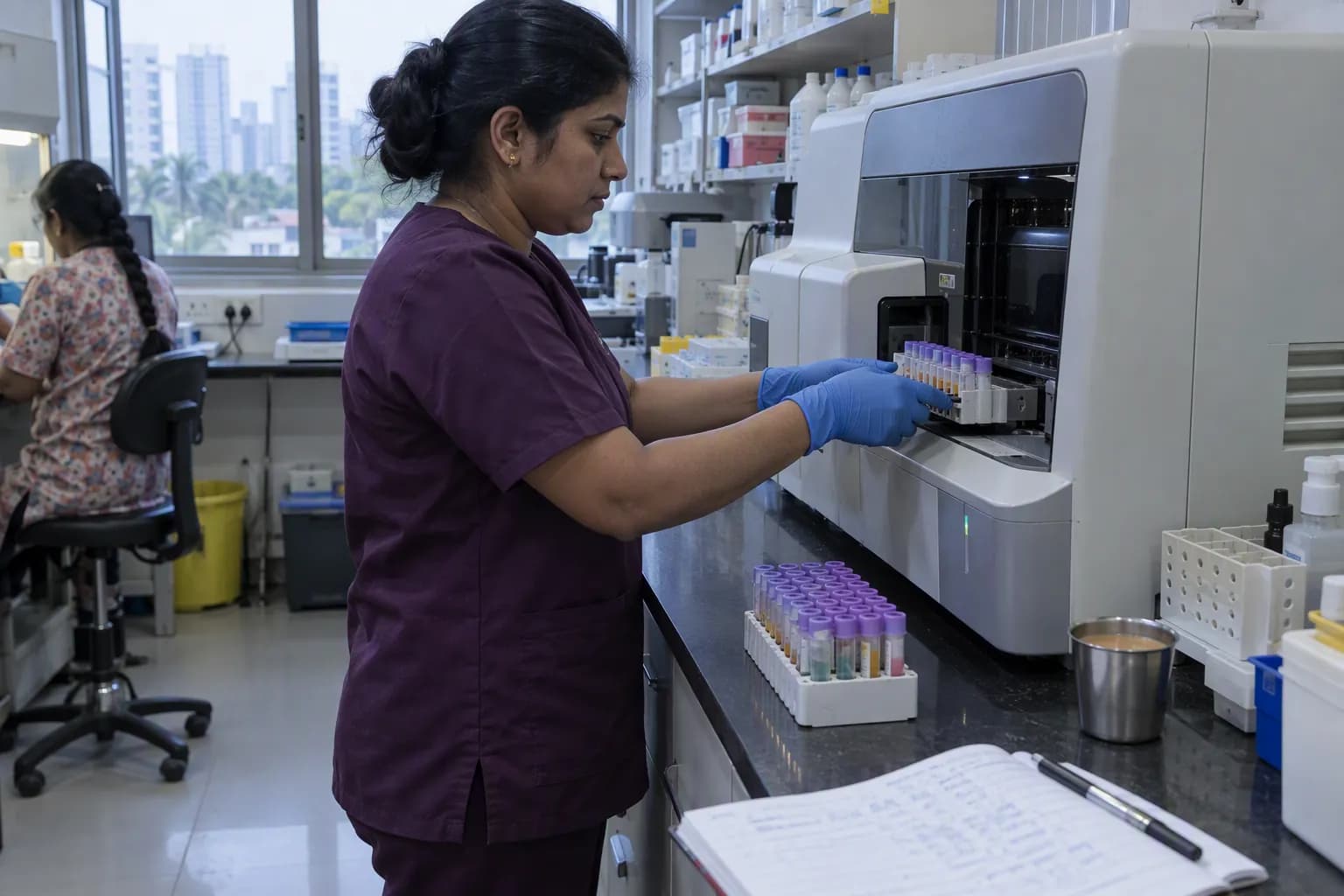 About day 2
Your report in about two days
A partnered NABL-accredited laboratory runs your panel.
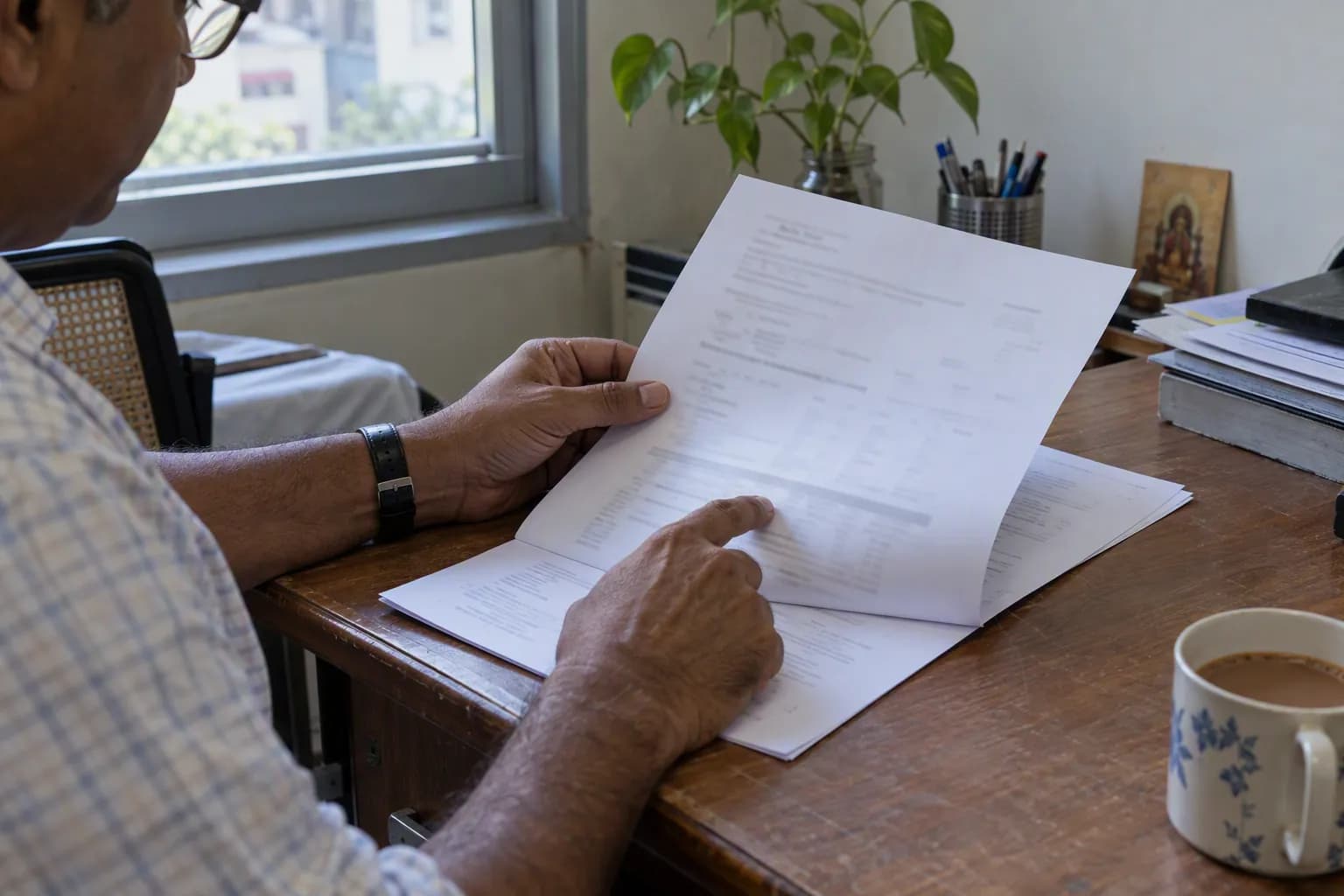 Around day 3
A doctor reads it with you
Around day 3, on video, every result against your history.
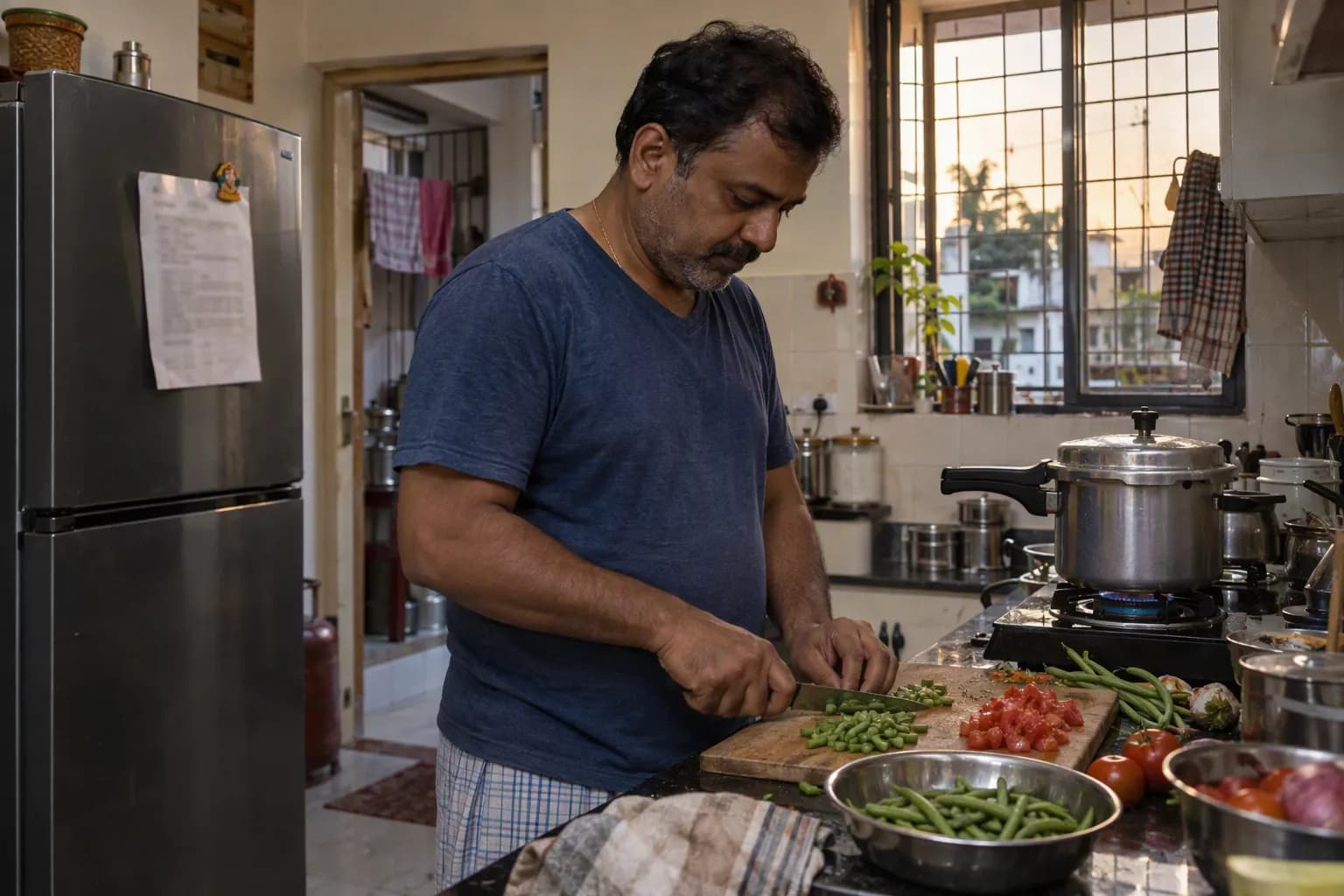 Every week after
Your plan, around your week
Food, movement and sleep, planned from your own report.
Led by doctors. Planned around you.
Every plan starts with one doctor-led health assessment. Your doctor reads your results; your care advisor helps you choose.

Original price
₹3,999, now ₹999Health assessment
45+ markers collected at home, read by a doctor, with your plan around day 3.
Book my health assessment
6 months
Metaboliq Core
Your doctor, nutritionist and two coaches, a blood panel at home each quarter, and two smart scales to keep.
Cost explained on a call before you choose
Start with the assessment
6 months
Metaboliq Premium
A doctor every week, a care manager, continuous glucose monitoring and two smart scales to keep.
Cost explained on a call before you choose
Begins after your assessment, once your doctor says it suits you.
Start with the assessment
Start with the test
Your plan starts with one home blood test
Health assessment, ₹999: a home blood test, a doctor who reads it with you, and your plan.
Takes 2 minutes to book. Results vary; your doctor decides what is right for you.


Questions people ask
Does losing weight lower high blood pressure?
In most people, yes. A meta-analysis of twenty-five trials found blood pressure fell as weight came off, roughly in step with the amount lost. Less salt, more potassium-rich food and daily walking add to the effect.
How are obesity and hypertension linked?
Extra weight, especially around the waist, means more blood flow, more insulin resistance and kidneys that hold on to salt and water, all of which push pressure up. Sleep apnoea, more common with extra weight, adds to it at night.
I already take treatment for blood pressure. Can I still join?
Yes. Bring your treatment list and a week of home readings to the first call. As your weight and readings change, your doctor reviews them every month, and any change to your treatment stays with the doctor who manages it.
2 more questions
How should I measure my blood pressure at home?
Use an upper-arm cuff, sit quietly for five minutes, keep your arm at heart height and take two readings each morning and evening for a week. Your coach shows you how on the first call.
What does it cost to start?
The health assessment is ₹999: the home blood panel with kidney, sugar and lipid tests, a registered doctor reading every result with you on video, a health coach session and your personalised plan.
The research this page leans on
4 published sources
- Neter JE et al., influence of weight reduction on blood pressure, a meta-analysis of randomized controlled trials, Hypertension, 2003
- Sacks FM et al., effects on blood pressure of reduced dietary sodium and the DASH diet, New England Journal of Medicine, 2001
- Mancia G et al., 2023 ESH guidelines for the management of arterial hypertension, Journal of Hypertension, 2023
- Anjana RM et al. (ICMR-INDIAB), The Lancet Diabetes and Endocrinology, 2023
Takes 2 minutes to book. A doctor makes every decision with you.
Book my health assessment